

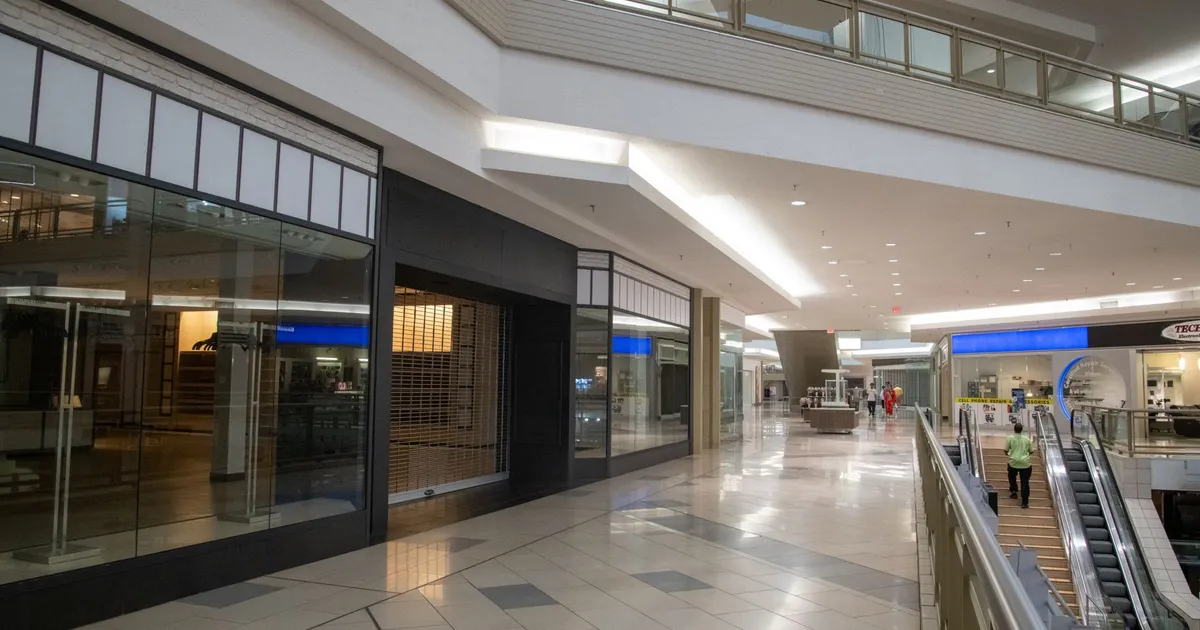
A six-decade brand runs out of road
Cue Clothing Co, the Sydney-based owner of the Cue and Veronika Maine womenswear brands, entered receivership on 15 September 2026 after nearly six decades in business. Founded in 1968, the company had, in the words of Inside Retail Australia, “survived recessions, tariff cuts, cheap imports and the arrival of global fast fashion.” At its 2016 peak it ran around 230 stores and concessions and was Myer’s most successful fashion supplier.
What it did not survive was the current retail environment, and the reason receivers gave is the part every business owner should sit with. FTI Consulting, appointed as receivers and managers, said plainly that “increased sales and other improvements across the group were not enough to offset the overhead costs”. Revenue was heading the right way. It still wasn’t enough.
The distressed-assets playbook that didn’t pay off
British investor Hilco Capital bought Cue and Veronika Maine from the Levis family in April 2025, promising to support and invest in the brands. Just 16 months later it pulled the pin. The standard distressed-assets move – buy cheap, cut costs, sell at a profit – never produced a viable turnaround inside the window available.
The warning signs were flashing before the formal collapse. CEO Melanie Remai resigned the week before the receivership after less than 18 months in the role, and CFO Josephine Barbaro departed after less than a year, according to Inside Retail Australia. Losing both your chief executive and chief financial officer in quick succession is not a coincidence. It is a turnaround that has run out of time.
Why this is a New Zealand story
Cue operates stores in New Zealand alongside its Australian network, which is exactly why the collapse lands here and not just across the Tasman. A sale process seeking offers for the business as going concerns began immediately, but until a buyer emerges the local exposure is real. Staff across the NZ store network face uncertainty, landlords holding Cue leases are exposed, and suppliers are navigating yet another administration in a sector already carrying heavy write-offs.
And Cue is not an outlier. Retail insolvencies in New Zealand jumped 74%, according to a report published the same day as the receivership. BWA Insolvency principal Bryan Williams put it neatly: “Business stress has changed address. Pressure has come off the building sites and landed on the shop floor. Retailers are competing for a limited pool of consumer dollars, and households remain cautious about discretionary spending.”
The numbers behind the caution
The official data backs the anecdote. Stats NZ’s June 2026 quarter figures show total retail sales volume fell 0.5%, or $138 million, on the March quarter. The full retail trade survey shows clothing, footwear and personal accessories among the sharpest fallers, with volume down $318 million in the quarter.
Retail NZ chief executive Carolyn Young sharpened the point further, calling out “another sharp decline in apparel spending (2.5% year-on-year)” as “a blow to those retailers, who would have hoped that July was the start of a turning point.” She listed the headwinds stacking up: a 0.25% OCR rise in early September, Regular 91 petrol averaging over $3 a litre since late July, sustained high unemployment and pre-election uncertainty.
Retail expert Chris Wilkinson told The Post that unpredictability is the real handbrake: “Traditional spending trends haven’t necessarily come through, and spending restraint is still very noticeable… People are just treading water.”
What the floor looks like from here
Discretionary fashion is the canary in the household-budget coal mine, and the canary is struggling. When mid-market womenswear with a heritage brand and a well-capitalised owner still can’t trade through, it tells you the problem is structural, not seasonal.
There is a thin ray of light: Retail NZ notes tourism arrivals returning to pre-COVID levels for July could deliver a spring uplift for apparel and outdoor goods. But Williams’ warning is the frame that matters for anyone assessing risk. “For many of these companies, the debt burden is simply too large to be overcome by trading their way through,” he said, adding that the businesses that survive “are usually the ones that seek advice early, while there are still options available.” Better sales did not save Cue. For retailers watching from the sidelines, that is the sentence to remember heading into the trading months ahead.
Sources
- Cue Clothing enters receivership after nearly six decades in business (2026-09-15)
- How Cue Clothing went from fashion powerhouse to voluntary administration (2026-09-15)
- Australian fashion brand Cue Clothing falls into receivership (2026-09-15)
- Retail insolvencies jump 74%, pain piles on already struggling businesses: Report (2026-09-15)
- Retail trade survey: June 2026 quarter (2026-08-24)
- Retail activity falls by 0.5 percent in the June 2026 quarter (2026-09-15)
Join the discussion
Add useful context, ask a good question, or challenge an idea — keep it specific and respectful.