

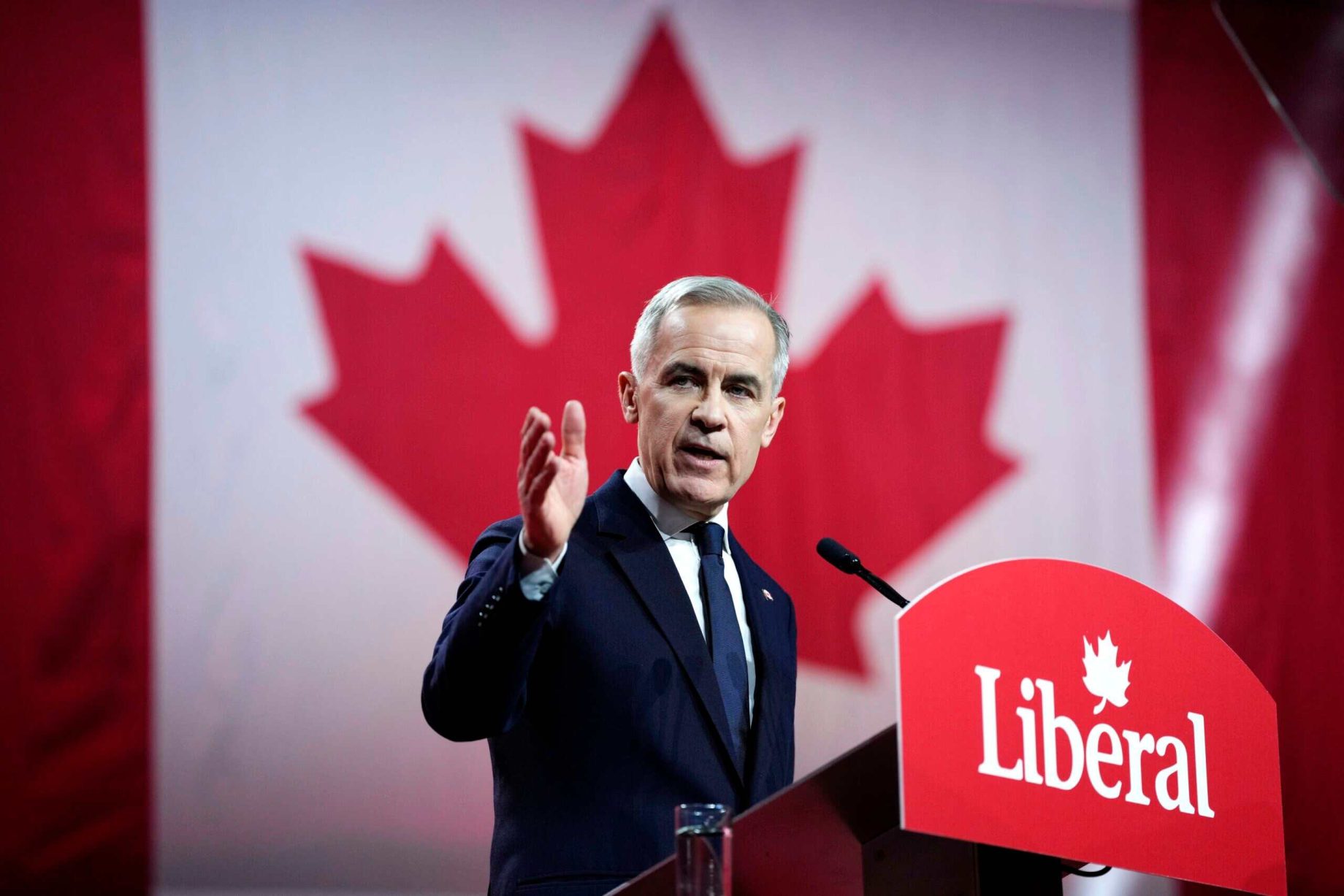
Canada’s Prime Minister Mark Carney has unveiled his first federal budget, setting out an ambitious agenda to establish Canada as the leading economy among the G7. This plan recognises a time of profound global change, particularly in Canada’s shifting ties with the United States, its traditional trading partner.
“There’s some headwinds on the horizon. That’s why we need a strong response,” Finance Minister François-Philippe Champagne stated.
The budget proposes C$280 billion in spending, pushing the deficit to C$78.3 billion, one of the largest in Canadian history. Carney and Champagne defend this as an investment expected to attract C$1 trillion in private sector investment over five years.
Funds will support infrastructure, defence, housing, digital networks, and productivity initiatives.
At the same time, Carney warns of necessary “sacrifices,” projecting C$60 billion in spending cuts partly achieved by cutting 40,000 public sector jobs by 2029, including through greater use of artificial intelligence. Many federal departments may face up to 15% budget reductions.
Historically reliant on the U.S. for nearly 70% of trade, Canada is now diversifying towards Europe and Asia, aiming to double non-U.S. exports within ten years. The budget supports businesses entering new markets and considers cultural projects such as joining the Eurovision Song Contest.
The corporate tax rate is being cut to 13.2%, more competitive than in the U.S., which Champagne described as “a great message for investors.” Additionally, C$1.3 billion is dedicated to attracting international researchers to Canadian universities.

Addressing climate change, Canada aims to become a “clean energy superpower” by investing in low-emission energy projects including nuclear power and low-carbon liquefied natural gas. The government is reinforcing methane regulations and carbon capture technologies while affirming its industrial carbon tax as a leading emissions reduction policy. This forms part of a Climate Competitiveness Strategy to boost economic strength.
Defence spending will increase significantly to C$81.8 billion over five years, targeting NATO’s 2% GDP goal this year and 5% by 2035 amid growing security concerns from Russia, China, and the Arctic. Investments also include space launch capabilities and infrastructure projects in the Arctic valued at C$1 billion.
Carney has reversed several Trudeau-era policies, including scrapping the unpopular consumer carbon tax, delaying electric vehicle sales mandates, and cancelling a planned capital gains tax hike. Immigration targets have been sharply reduced, with temporary resident intake dropping from 673,650 to 385,000 next year.
A measure will fast-track 33,000 work permit holders to permanent residency. Other reversals include ending the “2 Billion Trees” programme and abolishing the luxury tax on expensive vehicles and aircraft, which Champagne said “was costing more to administer” than it raised.
In response to U.S. tariffs, Canada plans to spend C$5 billion over five years to support industries, including C$1 billion aiding the steel sector’s transition. A C$10 billion loan programme will assist affected Canadian companies, with Algoma Steel among the first recipients. A new Buy Canadian Policy will prioritise domestic suppliers for government contracts. Revenue from Canada’s counter-tariffs on the U.S., which totalled C$6.5 billion by October 2025, will help fund these measures.