

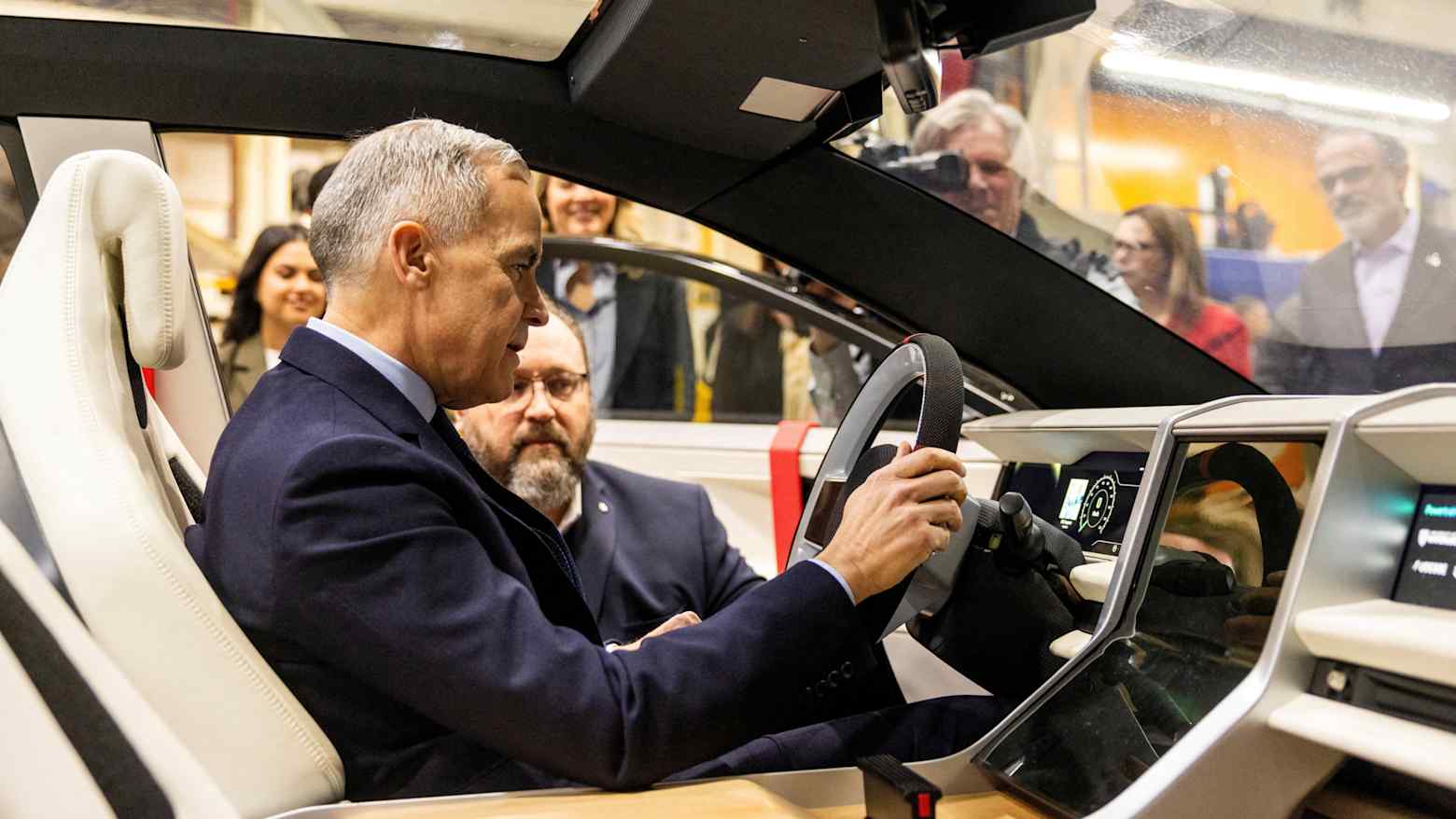
Canada has slashed tariffs on Chinese electric vehicles to lessen its economic reliance on the United States. Ottawa pursues alliances with Chinese and South Korean firms, plus tax breaks, to halt decades of auto sector decline amid U.S. tensions.
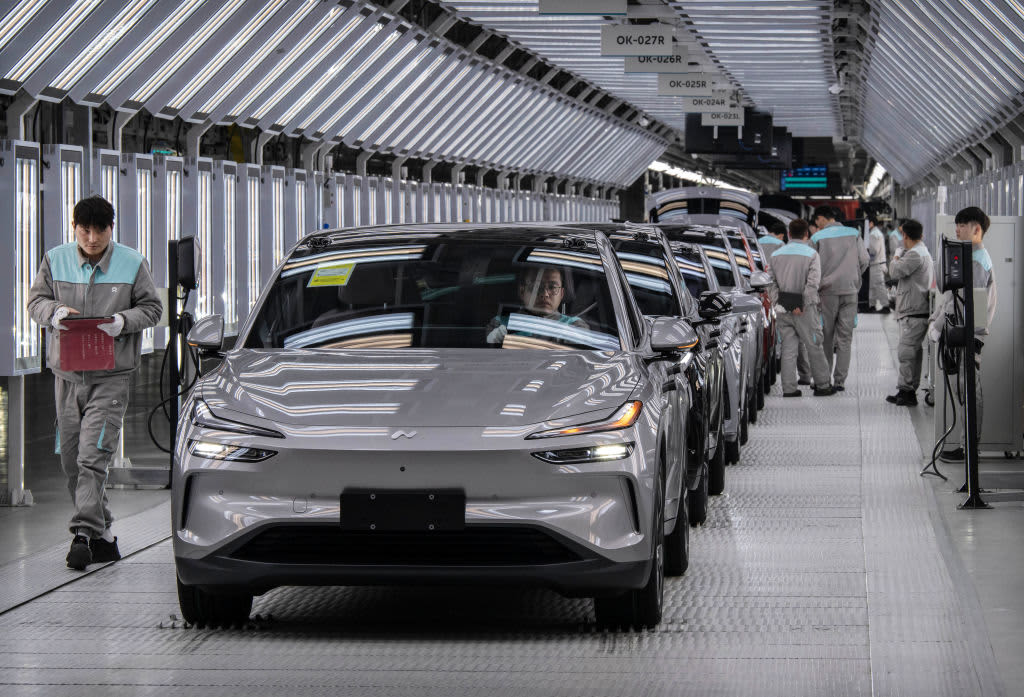
In January 2026, up to 49,000 Chinese EVs gained entry at a 6.1 per cent tariff, down from 106 per cent in October 2024. Dunsky Energy and Climate Advisors forecast this as 3 per cent of new car sales and 20 per cent of EV and plug-in hybrid markets.
China responds with canola oil tariff cuts from 84 per cent to 15 per cent, plus easier access for lobster exports and visitor visas. Half these EVs must cost under C$35,000 by 2030.
“If those vehicles that are coming in are specifically more affordable models, that could have a significant impact,” said Jeff Turner of Dunsky. “But I think if we look out as far as 2030, we’re expecting the EV market to grow significantly. Forty-nine thousand vehicles is a pretty small number compared to where we expect the EV market to be in just a few years.”
The pact fosters joint factories, jobs, and supply chains in Canada, per Prime Minister Mark Carney’s Beijing announcement. A South Korean clean vehicle deal and new rebates up to C$5,000 support this.
U.S. tariffs of 25 per cent on foreign parts in Canadian cars add 10-12 per cent effective costs, disrupting North American production ties. Detroit firms, once dominant since Henry Ford’s 1904 Windsor plant, now hold 23 per cent share; Japanese brands take 77 per cent.
Recent cuts include Stellantis pausing Brampton, GM axing Ingersoll vans in 2025, and trimming Oshawa shifts. Output fell from 3 million vehicles in 2000 to 1.3 million last year.
“There’s been pretty frequent reminders in Canadian media that these auto sector jobs are really being impacted by some of the uncertainty that we’re getting from south of the border,” Turner said. “So I think in that context, it’s pretty natural to see politicians looking to diversify those relationships.”
Canadian Vehicle Manufacturers’ Association leaders deem it a “vehicle-sized irritant” for July’s USMCA review. Brian Kingston cites Chinese subsidies and tech risks; Mexico hiked tariffs to 50 per cent.
“So as we go into these talks, our other partner, our other North American partner, is putting more protections on China and we’re going the opposite direction,” Kingston said.
China may shun costly Canadian plants versus Mexico’s cheap labour or U.S. market pull. “The leap from ‘we’re going to sell a few Chinese vehicles in Canada’ to ‘we’re going to make a full scale assembly plant at volume’ is a large one,” said Greig Mordue of McMaster University.
“But not doing anything has resulted in that list of assembly plants that have disappeared over the past 12 months.”
Canada boasts minerals and clean energy to challenge China. “We have these massive deposits of minerals, many of which countries now depend on China for access to,” Kingston said.
“So if we can get to a point where we are mining and processing these minerals in Canada using clean electricity and ultimately building this integrated supply chain with the U.S., we have a lot to offer to not just the United States, but any Western partners that are trying to reduce dependency on China.”