

U.S. beer demand is showing a sharper-than-expected decline, with new retail scanner data pointing to mounting pressure on consumer spending as higher fuel costs and weaker sentiment weigh on household budgets.
The latest figures suggest that sales across beer and related categories are slowing more quickly than earlier in the year, reinforcing concerns that discretionary spending is starting to soften in a more sustained way. The most visible weakness is emerging in products such as beer, flavoured malt beverages, and cider, which are typically linked to casual consumption and convenience purchases.
According to Nielsen-tracked data, combined volumes in these categories fell 6.3% year on year in the week ending 2 May. The decline is consistent across both two-week and four-week rolling averages, marking a noticeable deterioration from the November to mid-April period, when category declines were closer to 3%.
Analysts at Bernstein said some volatility was expected due to the timing of Easter this year, but they noted that the breadth of the slowdown suggests broader pressure on consumer demand rather than a purely seasonal shift.
The most pronounced weakness is being recorded in convenience retail, where sales are closely tied to commuting patterns and impulse buying. Retailers such as 7-Eleven, Wawa, Shell, and ExxonMobil have seen volumes fall by about 9% over the two-week period beginning late April.
Industry analysts say this channel is particularly sensitive to fuel prices because higher costs reduce travel frequency and discretionary stops. With U.S. gasoline prices averaging around $4.51 per gallon, there are growing signs that mobility-related spending is beginning to ease.
Bernstein analyst Nadine Sarwat said there is a clear relationship between fuel prices and alcohol sales trends, noting, “We find a negative correlation between the absolute price of gas in a given state today and the sequential change in beer/FMB/volume growth.”
That pattern is most visible in higher-cost states. California has emerged as the weakest market, with beer volumes dropping around 16% over the latest four-week period compared with the previous one. Fuel prices in the state average about $6.16 per gallon. Arizona and Texas have also seen declines of roughly 10% and nearly 7%, respectively, alongside lower but still elevated fuel costs.
The slowdown is not confined to beer alone. Analysts say similar trends are beginning to appear across other beverage categories, suggesting a broader cooling in consumer spending. Sarwat added that “the incremental weakness in beer/FMB/cider appears to be materialising in other beverage categories too,” pointing to wider cyclical pressure.
The data aligns with broader indicators of weakening confidence. The University of Michigan’s consumer sentiment index recently fell to a record low in May, with about a third of respondents citing fuel costs as their primary concern.
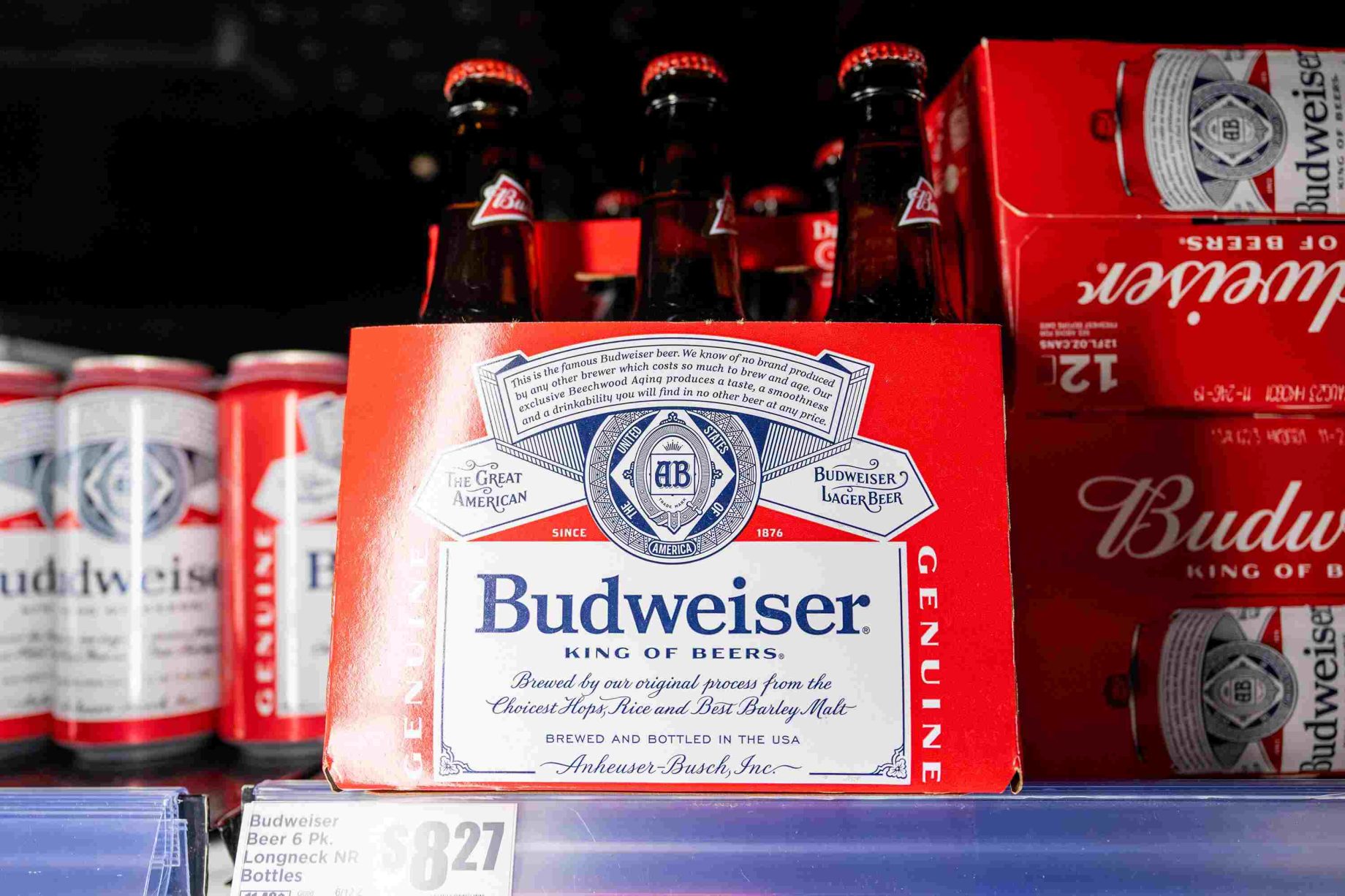
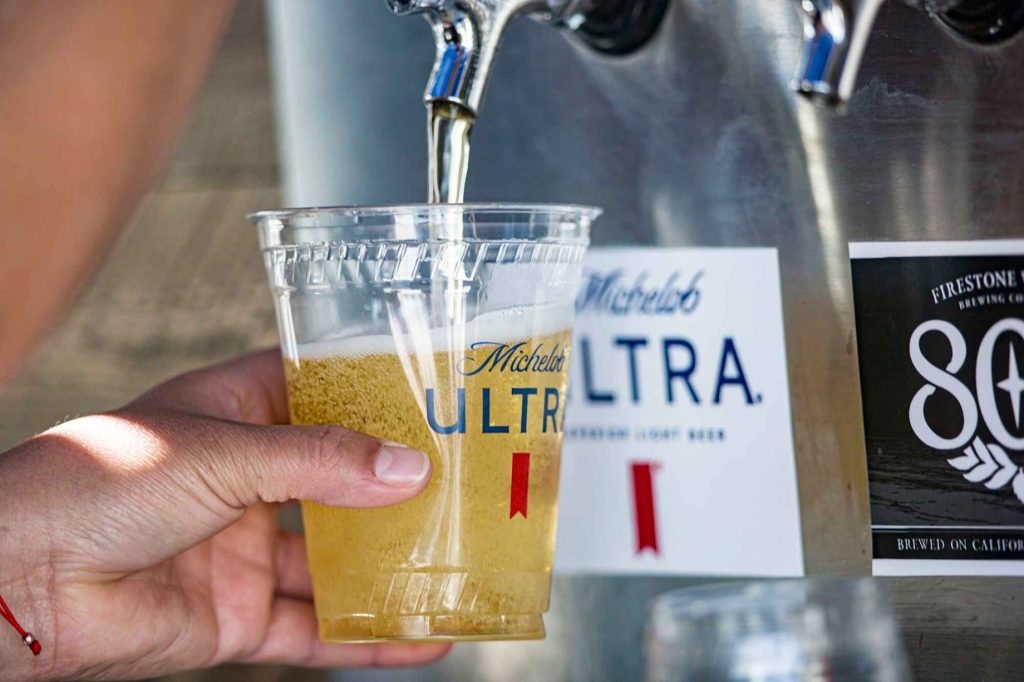
Performance among major brewers remains mixed. Anheuser-Busch InBev continues to see diverging brand trends, with Michelob Ultra holding steady while Bud Light and Budweiser remain under pressure.
The Boston Beer Company continues to lag, while Molson Coors is losing share. Constellation Brands, however, has continued to gain market share despite softer overall category demand.