

A defensible policy, an awkward beneficiary
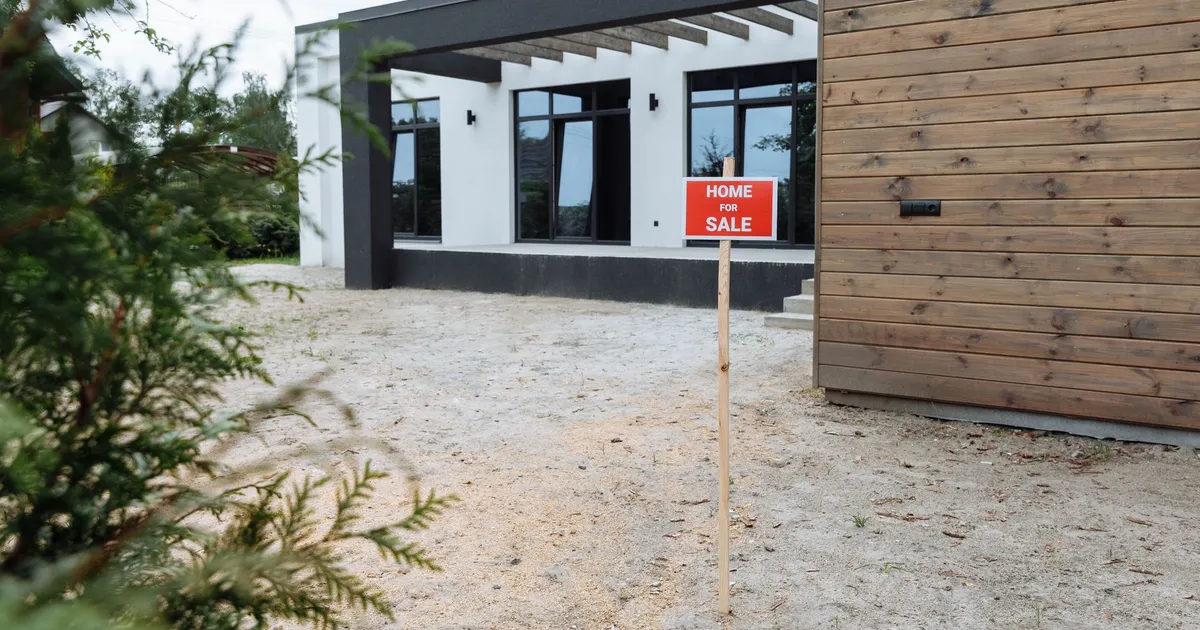
Selling down surplus state houses is sound policy. A review by former Prime Minister Bill English found Kāinga Ora was not financially sustainable, and the Government’s response, a programme targeting sales of up to 900 homes a year that are rundown, wrongly sized or in the wrong location, is the kind of asset discipline a fiscally conservative audience should welcome.
The awkward part is who is doing the selling. Bayleys Real Estate has earned nearly $2.5 million in fees from Kāinga Ora over the past year after winning a tender to act as ‘master agency’ for the sell-down. Bayleys has also donated around $180,000 to the National Party since 2022, former National deputy leader Paula Bennett has been a Bayleys director since 2020, and former Auckland Bayleys chief executive Lloyd Budd is standing for National in Whangarei.
That is a lot of overlap. It is not, on the evidence, corruption.
Everyone says the process was clean
Kāinga Ora director of procurement Jane O’Toole says the tender was transparent and competitive. Nineteen agencies submitted proposals, Bayleys received the highest independent evaluation score, and an independent external advisor oversaw the process. Bennett says she had nothing to do with it: “If I had been involved, I don’t think we would have got it – Kāinga Ora have always run a very strict procurement process.”
Even Labour housing spokesperson Kieran McAnulty stops short of alleging influence. He says only that “most reasonable people will look at this and think it doesn’t look right”. Kāinga Ora acknowledges Bennett met its general manager of the Housing Delivery Group, Caroline McDowall, just before procurement began, but says the meeting was routine sector engagement, the process was not discussed, and McDowall played no role in evaluating tenders.
Take all of that at face value. The story still isn’t over, because the substantive question isn’t about Bennett.
What isn’t disclosed is the actual story
The shift to a master agency model is a structural departure. Kāinga Ora previously sought appraisals from three local agents before choosing one to market a property. It has now centralised a large and growing sales programme with a single lead firm, plus one other unnamed agency.
Three things the public cannot see: the commission rate contracted, how that rate compares to market benchmarks for high-volume residential sales, and the total expected fee pool as the programme scales. For a $2.5 million-and-rising line of public spending, that is a meaningful transparency gap.
And it will rise. High-value suburban homes are being prioritised. Two Auckland state houses overlooking the Ōrākei Basin with a combined rateable value of $4.475 million sold for an undisclosed sum, and Ponsonby properties with a combined RV of $4.33 million were listed as a development opportunity. The Government has identified around 200 state homes worth $2 million-plus as priority disposals. At 900 sales a year weighted toward expensive urban stock, the commission pool available to master agents runs well into the tens of millions. The $2.5 million is a floor, not a ceiling.
The lesson is structural
This is where a business audience should focus. When a firm holds visible political ties to the governing party, wins a large concentrated contract, and the pricing terms stay private, you have manufactured a perception problem regardless of whether the process was flawless. Good procurement disclosure would have pre-empted the entire story: publish the rate, benchmark it, name the second agency, and the political theatre has nothing to grab.
Commercially, the master agency model may well be the efficient choice. Bundling volume with a single lead firm can sharpen pricing and cut administrative drag, and Kāinga Ora has used bundled sales before for exactly that reason. But efficiency and transparency are not the same discipline, and a public asset disposal programme needs both.
The Crown is going to keep selling houses, the fee pool is going to keep growing, and the connections are not going away. Whether this becomes a running sore or a footnote depends entirely on whether Kāinga Ora decides to show its pricing workings. On present evidence, it hasn’t – and that, not Paula Bennett, is the problem worth watching.