

The Asthma and Respiratory Foundation NZ is calling on parents, caregivers, and schools to stay vigilant for asthma attack symptoms, with data revealing a peak in hospitalisations during the third week of Term 1.
Signs of an asthma attack can include a worsening cough, ongoing wheezing, difficulty breathing, and/or chest tightness.
Asthma and Respiratory Foundation NZ chief executive Letitia Harding noted that the back-to-school period poses a consistent risk for the one in eight New Zealand children managing asthma.
“Every year we see the same pattern: children go back to school, routines change, bugs start circulating, and within weeks emergency departments are under pressure from preventable asthma attacks,” Harding said.
“It’s often referred to as the ‘back-to-school effect’ and it is actually stronger than the winter peak.”
“On the worst day in week three of Term 1, a child’s risk of being hospitalised with asthma is two and a half times higher than on the first day of term.”
Harding said international studies link the rise to multiple factors, such as exposure to new allergens, shifts in environment and routine, emotional stress or anxiety, and greater virus transmission as children mingle more closely in classrooms.
“This isn’t about one single trigger – it’s the perfect storm – and for some children, that storm can land them in hospital.”
“An asthma action plan tells adults exactly what to do when a child’s breathing starts to deteriorate, and in a crisis, that clarity can make all the difference.”
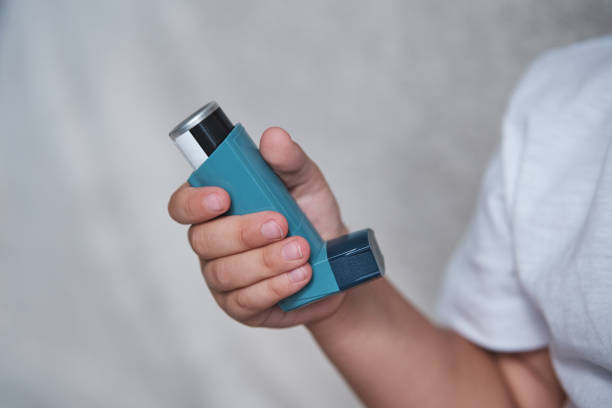
“Don’t assume their inhaler in the schoolbag is ready to go – please check that it’s there, that it’s not empty, and that it hasn’t expired.”
She also encouraged schools to have an easily accessible, ready-to-use asthma emergency kit.
“When a child is struggling to breathe, minutes matter – and having the right equipment on hand can prevent a frightening situation from becoming a medical emergency.”