

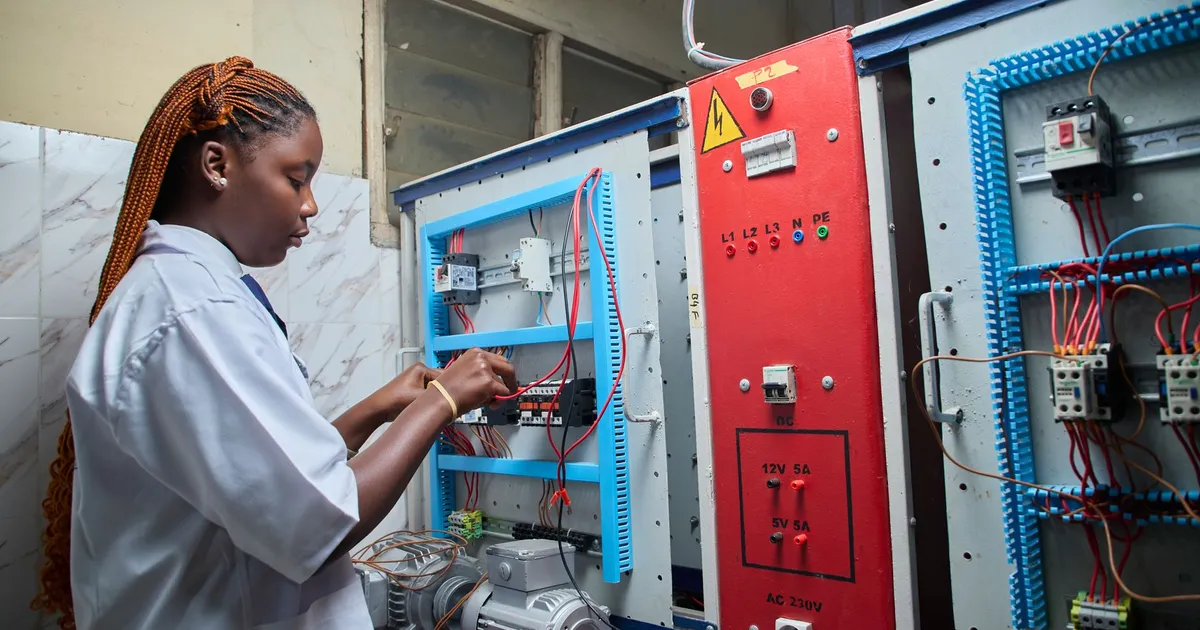
Andrew Winder drilled hundreds of asbestos-lined switchboard panels as an electrical apprentice in Invercargill. Nobody told him what was in them. Now 49 and facing terminal sarcomatoid mesothelioma, he has learned that his ACC-funded immunotherapy has stopped working. He told 1News how he was trained: “We never had any health and safety meeting about hazards. We were taught to get in there, get the job done as quickly and as efficiently as possible, and get out.”
That sounds like a 1990s story. It is also an accurate description of how a lot of trade work still gets done, and the bill for it is still climbing.
The cost curve has not turned
WorkSafe’s long-standing estimate, repeated in 2021 and still cited in current reporting, is that asbestos kills around 220 New Zealanders a year. That makes it the country’s leading cause of work-related death, ahead of anything that happens on a forestry block or a building site.
The money tells the same story. Since 2005 ACC has accepted more than 3,200 asbestos-related claims and paid out more than $320 million, including $25 million last year, the most in two decades. At least another decade of significant payouts is expected.
This is a decade after New Zealand banned all asbestos imports in 2016. The ban stopped new product arriving. It did nothing about the material already sitting in ceilings, cladding and switchboards. Because the disease takes decades to show, every careless drill hole today becomes a claim in the 2040s, and employers fund ACC’s work account through levies.
Your building is probably part of the problem
Asbestos can turn up in at least 23 places in an older home, from vinyl flooring and window panels to gutters and toilet seats. Older offices, warehouses, shops and rental stock are no different. Left intact and sealed, it is low risk. Drilled, cut or water-blasted, it becomes lethal.
The usual rule of thumb, that only pre-2000 buildings matter, is also too comfortable. WorkSafe’s April 2026 guidance for businesses says buildings constructed after 1 January 2000 carry lower but not zero risk.
The law already expects more than most firms deliver
This is where business owners need to pay attention. Under the Health and Safety at Work (Asbestos) Regulations 2016, a business must ensure any worker doing asbestos-related work is trained in identifying and safely handling it, and must keep training records for five years after that worker leaves, available for inspection.
If you own, lease or manage older commercial premises and you call in an electrician to run new cabling, the question of whether anyone on that job knows what an asbestos panel looks like is not academic. Informal safety culture and “she’ll be right” are not a defence.
The regulator itself is still catching up. In 2024 WorkSafe said trade-specific guides for surveyors, removalists, assessors and tradies would follow in 2025/26, with the old code of practice staying in force until that work was finished. A decade after the regulations took effect, the guidance framework is still being assembled.
Nobody is counting the accidental exposures
In 2022 a review commissioned by the NZ Demolition and Asbestos Association found worker exposure was likely “grossly underestimated”. WorkSafe was receiving roughly one removal notification a week from licensed removalists, a figure that ignores electricians, plumbers, builders and painters who disturb asbestos incidentally. Awareness across construction was generally low, there was no nationally consistent approach, and the review made 23 recommendations.
Winder is that gap in human form. He spent 15 years at one company with weekly health and safety meetings, and asbestos never once came up, he told the Otago Daily Times in July. He is blunt about official follow-through, saying action had been “just put on paper and brushed under the rug”.
The fix is already on the shelf
Here is the frustrating part. NZQA unit standard 2138, “Demonstrate knowledge of asbestos and safety procedures”, has existed since 1997, yet it remains optional for electrical apprenticeships, used mainly in roofing and workplace health and safety qualifications. Winder wants it made compulsory across the trades.
He is right, and this is not a call for more red tape. No new agency, no new levy, no new consent regime. Just making an existing, cheap piece of training core for the trades most likely to drill into the stuff. Set against $25 million a year in ACC payouts and a liability tail stretching into the 2040s, it is about the best value safety measure on offer.
What happens next
WorkSafe’s remaining trade guides are due, and industry training bodies can make unit standard 2138 mandatory without waiting for Parliament. Businesses should not wait for either. Get an asbestos survey on older premises, ask contractors for proof of training before they pick up a drill, and keep the paperwork. The deaths showing up today were locked in decades ago. The ones in 2050 are being decided on job sites this week.
Sources
- 1News: Asbestos still kills hundreds of Kiwis a year – what every DIYer should know (2026-10-30)
- 1News: Asbestos still kills hundreds of Kiwis every year – what every DIYer needs to know (2026-10-31)
- Otago Daily Times: Asbestos-related cancer ‘preventable’ (2026-07-15)
- WorkSafe: Managing asbestos in your building or workplace (2026-04)
- RNZ: Review finds number of workers exposed to asbestos grossly underestimated (2022-11-22)
- NZ Herald: Electrician Andrew Winder’s plea for asbestos-awareness training in trades as he faces terminal mesothelioma (2026-08-30)
Join the discussion
Add useful context, ask a good question, or challenge an idea — keep it specific and respectful.