

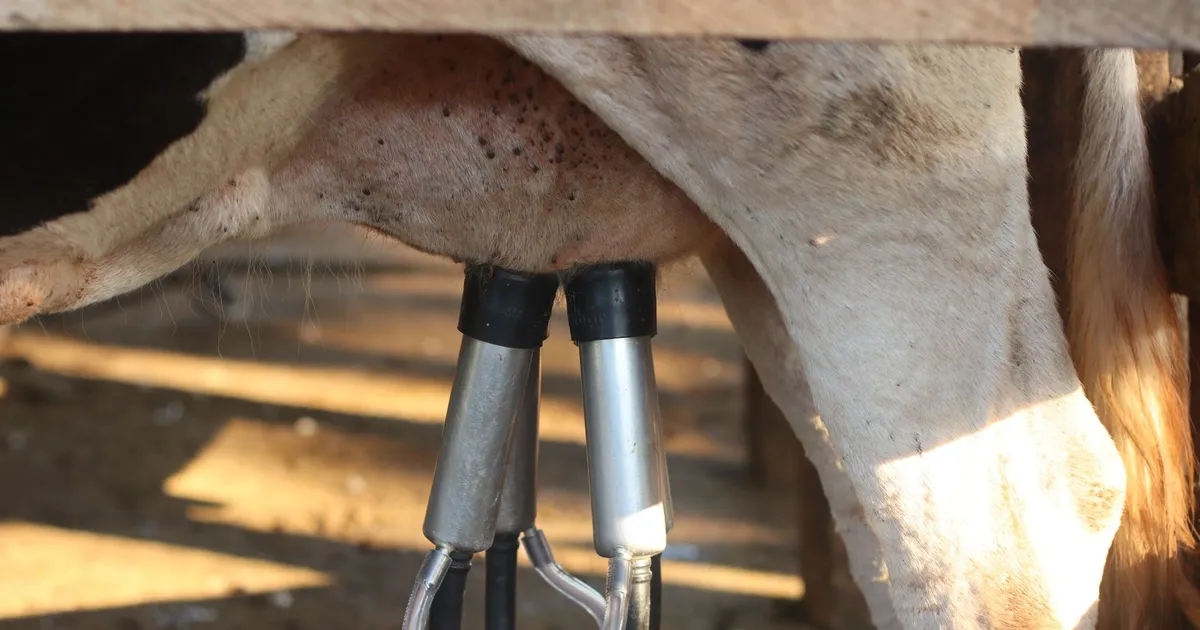
AgriZeroNZ has put $17.7 million into Boston-based ArkeaBio to run methane vaccine trials on lactating dairy cows in New Zealand. The money buys the local data regulators need, and ArkeaBio is aiming for a commercial launch here in 2028.
This is the right kind of climate spending for an export economy. It funds a tool farmers can actually use, rather than charging them for emissions they currently have no practical way to cut.
A modest first shot with a longer runway
ArkeaBio chief executive Frank Wooten is not overselling it. He describes the first-generation product as delivering “a methane reduction of about 15% lasting at least three months”, with a pathway to bigger cuts and, eventually, a 12-month vaccine.
The mechanism is clever. The vaccine prompts antibodies against methane-producing microbes, and those antibodies cross into saliva. Because a cow swallows 120-150 litres of saliva a day, they are delivered straight back into the rumen. The Global Methane Hub’s Paul Wood regards a 15-20 percent reduction as “marketable” and says the next two years are crucial for proving consistent efficacy.
The evidence base is still thin but real. ArkeaBio’s 2024 prototype trial on 10 cows achieved reductions of up to 15 percent, with no side effects reported. Back in April 2024, the Prime Minister’s Chief Science Advisor estimated vaccines could plausibly deliver up to 30 percent reduction, while warning that commercialisation typically takes 7-10 years from prototype and that methanogens could develop resistance.
Pricing alone was never going to work
The alternative deserves remembering. In 2022, Newsroom’s analysis of the He Waka Eke Noa levy found that without unproven technology, the scheme would cut methane by only 0.8-1 percent by 2030 against a 10 percent target. The modelling even assumed farmers would get subsidies worth seven times the emissions price to adopt new tech. In other words, the pricing scheme quietly depended on the very tools it couldn’t supply.
There is a scientific case for treating cows differently from coal, too. In 2023, climate scientist Dr Kevin Trenberth argued that methane’s roughly decade-long atmospheric life and circular biogenic cycle justify a separate policy approach, while still insisting reductions matter.
The Government has taken that logic to its conclusion. The amended Emissions Reduction Plan confirms no on-farm pricing by 2030 and resets the biogenic methane target to 14-24 percent below 2017 levels by 2050. In October 2025 it committed more than $400 million over four years to mitigation tools, including $191 million for AgriZeroNZ, to protect a food and fibre sector worth $60 billion a year in exports.
The portfolio is uneven, and that is the point
Venture capital is supposed to produce winners and duds. AgriZeroNZ’s results look exactly like that. Ruminant BioTech’s slow-release bolus showed roughly 70 percent methane reduction in multiple trials and had applied to MPI for approval, according to AgriZeroNZ’s 2024-25 review. Meanwhile Lucidome Bio, the local vaccine spin-out, has received about $15 million since 2024 and hasn’t yet significantly reduced methane in live animals.
The lesson is not that the strategy is failing. It is that spreading bets across vaccines, inhibitors and genetics is the only sensible way to back unproven science, and that backing the frontrunner with trial money is good capital allocation.
Critics have a point on the backstop
The Climate Action Tracker assessment cited in BusinessDesk’s coverage attacks the coalition for weakening the methane target and leaning on unproven mitigation technologies. That critique overstates what pricing would have achieved, but it lands on one risk. If timelines slip, there is no fallback.
The ambition also runs ahead of the lab. In 2025, AgriZeroNZ’s then-chief executive Wayne McNee talked of a 30 percent cut in farm methane by 2030 and near-zero by 2040. The most advanced vaccine today offers 15 percent for three months. Those targets are aspirations, not a business plan.
Customers will set the real deadline
The pressure that matters most may not come from Wellington at all. The same 2025 report noted that Nestle, McDonald’s and Tesco are pushing deep into their supply chains for emissions cuts. Processors and exporters selling to those buyers need tools that can be verified on farm, not policy settings that look good in a submission.
That is why this investment is worth applauding. A $17.7 million trial that produces approval-grade data in New Zealand cows does more for the sector’s export credentials than another round of arguments over a levy. The test now is delivery. If ArkeaBio hits 2028 and the bolus clears MPI, the technology-first approach will have earned its keep. If not, the Government will need a better answer than waiting.
Sources
- BusinessDesk: AgriZeroNZ funds $17.7 million for methane vaccine trials in NZ (2026-10-30)
- NZ Herald/The Listener: The high-risk, high-reward race is on to produce a methane vaccine (2026-07-21)
- RNZ: Prototype vaccine reduces methane in cows (2024-08-17)
- OPMCSA: Hot topic – Methane production by ruminant animals (2024-04-29)
- Newsroom: Farm pricing to cut emissions by just 1 percent (2022-06-08)
- University of Auckland: Taxing cow burps isn’t the best climate solution (2023-02-14)
- Ministry for the Environment: New Zealand’s second emissions reduction plan – Amended January 2026 (2026-01)
- Beehive: Backing our Farmers information sheet (2025-10)
- AgriZeroNZ: Year in Review 2024-2025 (2025)
- The Press: Cow methane vaccines could hit NZ farms next year (2025-09-14)
Join the discussion
Add useful context, ask a good question, or challenge an idea — keep it specific and respectful.