

The numbers behind the revolt
ACC wants motorcycle registration costs to rise between 20% and 68% over three years, depending on engine size. A large-capacity bike currently registered at $522 a year would cost approximately $870 by 2027/28. For context, the standard per-vehicle motor levy is set to rise from $113.94 to $141.69 over the same period. Motorcyclists are being asked to absorb several multiples of what car drivers face.
ACC’s rationale is straightforward: motorcycles generate disproportionate serious-injury costs relative to their numbers, and other motorists have been subsidising riders for years. The organisation faces a funding shortfall of between $1 billion and $2 billion, processes almost two million new claims annually, and spends roughly $7 billion on treatment, rehabilitation and compensation. The money has to come from somewhere.
But actuarial neatness is not the same as good policy.
The proxy that doesn’t hold up
ACC prices motorcycle levies by engine size. Bigger engine, bigger levy. It sounds intuitive until you look at the data underneath it. The Motorcycle Advocacy Group NZ (MAGNZ), formed specifically in response to these proposals, analysed ACC’s own OIA responses and found that engine size, power output and ownership counts do not appear in ACC’s mortality analysis. The cc-based pricing proxy driving the steepest increases has no direct actuarial support in the data ACC itself holds.
As MAGNZ argues: a true risk-based system would measure distance travelled, time on the road and riding environment, not engine displacement. The current approach uses crude proxies because they are easy to collect, not because they are accurate.
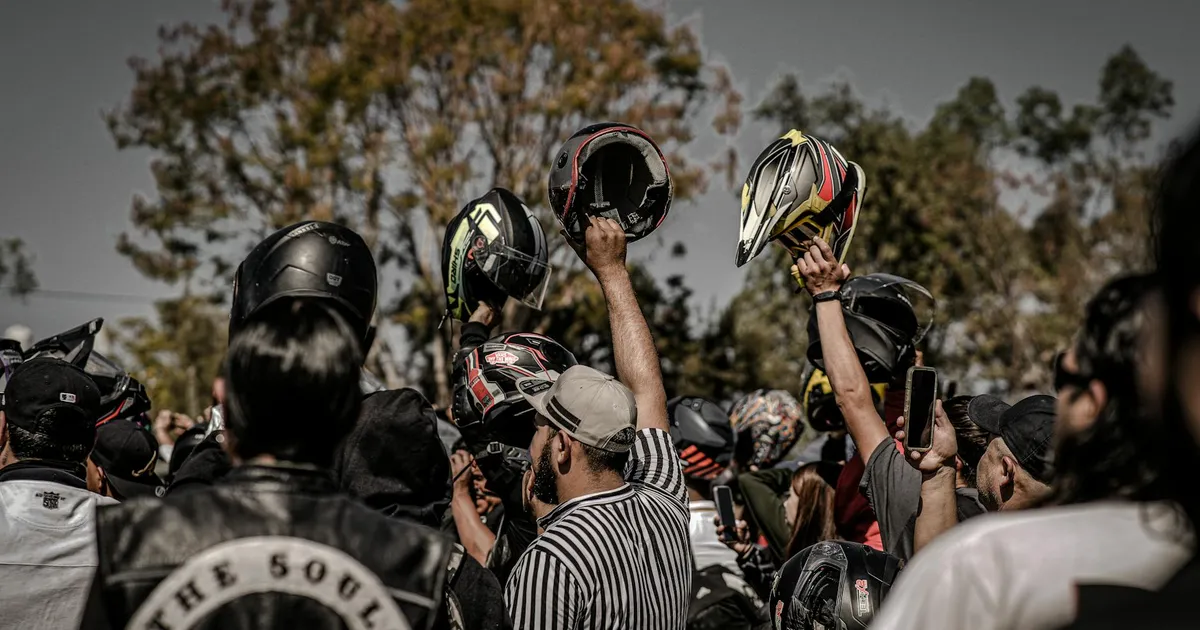
An OIA request lodged in December 2024 is seeking detailed motorcycle claims data broken down by engine size and liable party. That data is not yet publicly available, which means ACC is asking riders to accept steep increases based on a methodology that cannot be independently verified. More than 1,000 motorcycles converged on VTNZ branches around the country to deliver an open letter to ACC Minister Scott Simpson challenging the methodology directly.
Compliance avoidance is the real fiscal risk
The protest coverage has focused on angry riders and rallies. The more important signal is what happens quietly. MAGNZ founder Richard Tohu has explicitly called on approximately 130,000 Class 6 licensed riders to consider not paying their registration. Protest co-ordinator AJ Todd warned in Dunedin that the hikes could result in people riding unregistered bikes because they cannot afford registration.
This is the dynamic mainstream coverage has largely missed. If a meaningful share of 130,000 riders respond to a 67% cost increase by freezing registrations, putting bikes in storage, or riding unregistered, ACC does not collect more revenue. It collects less. Meanwhile, uninsured riders on the road increase the very risk pool ACC is trying to fund. The pricing model becomes self-defeating.
Contractors and couriers pay the sharpest price
The protest narrative has leaned on lifestyle, with riders describing motorcycling as therapy and a way of life that is becoming unattainable. That framing undersells the economic stakes. For contractors, couriers, tradespeople and cost-sensitive urban commuters, a motorcycle is a rational business tool: cheaper to run, easier to park, faster in congested traffic. A 67% registration increase over three years is a direct operating cost shock. For a food delivery rider already on thin margins, the alternative, a car or van, is more expensive on every metric. The practical result is either higher prices passed to clients, a shift to less efficient transport, or non-compliance.
ACC’s structural problem is bigger than bikes
The motorcycle levy is a symptom of a deeper issue. ACC’s long-term claims pool is growing at 14.8% against a target of 10.5%, and new year costs rose 12.5% in the first quarter of 2024-25. ACC CEO Megan Main has acknowledged that it is taking longer and costing more for injured New Zealanders to recover.
Associate Professor Susan St John has argued that the structural driver is ACC’s shift over 25 years from a social insurance model to a private insurance-style full-funding reserve model that requires reserves sufficient to cover all projected future costs of current-year claims. That is a far more expensive standard than pay-as-you-go, and it is the reason levies keep rising across the board.
ACC Minister Matt Doocey has said ACC must make sure it is spending taxpayers’ money well before lifting levies. But Labour’s Rachel Boyack has pointed out a contradiction: the government has cut roles responsible for injury prevention while demanding ACC improve prevention outcomes. You cannot demand better results from a function you defunded.
The motorcycle levy fight looks like a niche transport dispute. It is actually a test case for whether ACC’s entire pricing philosophy works when pushed hard enough. If the answer is organised non-compliance, the model is not just unpopular. It is broken.
Sources
- Opposition to fee hike prompts bike rally – Otago Daily Times
- Bikers protest planned rego fee, levy hikes – Otago Daily Times
- ACC proposes rises in levies to fund future injury costs – RNZ
- ACC proposes hefty levy hikes – NZ Herald
- Advocates criticise use of bike engine size as risk predictor – RNZ
- Motorcycle Advocacy Group Says Don’t Pay Your Rego! – Scoop
- MAGNZ – Riders. Advocacy. Fairness.
- Information about motorcycle claims and costs – OIA request
- We do not need ACC levy increases – Susan St John, The Daily Blog
- ACC needs to lift its own performance before lifting levies – RNZ