

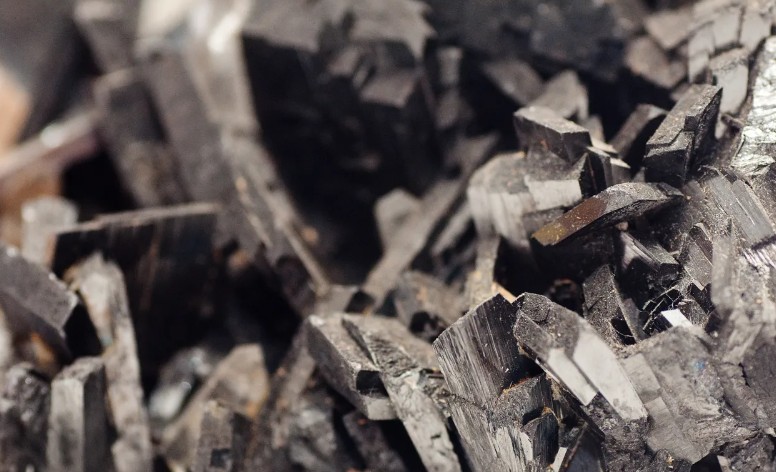
The US and Israel’s conflict with Iran has increased munitions use, raising pressure on tungsten supplies, a key material used in armour-piercing weapons, heat-resistant components, and steel production.
Although demand is high, global tungsten output is small compared with metals like iron and aluminium, and most supply comes from China, which has recently restricted exports.
Tungsten is highly valued in military technology because of its exceptional hardness and ability to withstand thermal shock.
In armour-piercing munitions, dense tungsten alloy rods rely on extreme impact velocity to penetrate the armour of armoured vehicles and other fortified targets.
When purified, tungsten has the highest melting point of any metal—3,422°C (6,192°F). As a result, it is commonly used in components that must endure extreme heat, including parts inside aircraft engines.
However, the global tungsten market is relatively small. Tungsten is classified as a “minor metal” because it is not traded on open exchanges such as the London Metal Exchange, making pricing information less transparent.
By comparison, while global mining operations produce about 2.6 billion tonnes of iron ore each year, only around 84,000 tonnes of tungsten are produced.
China accounts for around 80% of global tungsten production, and its low production costs make it difficult for Western companies to compete. In the United States, commercial tungsten mining ended in 2015.
In February 2026, China introduced export controls and cut mining quotas, tightening the availability of tungsten. These measures have added strain to Western supply chains that rely on tungsten for military and aerospace uses.
Amid escalating geopolitical tensions in the Middle East, demand for tungsten has surged significantly, as each bomb, missile, and kinetic interceptor further depletes existing stockpiles.
Military use of tungsten has risen by 12% this year alone, driven by its application in helicopters, fighter jets, and munitions. This growing demand is difficult to meet in a market where supply is already extremely limited.
Global logistics have been further disrupted by shipping challenges linked to the war, placing additional strain on the transport of mining equipment and processing supplies for the limited number of tungsten mines operating outside China.
Today, the limited global supply of tungsten continues to pose major challenges for many countries. Contributing factors include declining ore grades in primary deposits, meaning the concentration of usable metal in mined rock is falling over time, as well as restrictive export licensing from China.
Together, these pressures have pushed prices to historic highs and are testing the resilience of just-in-time supply chains.