

Google has announced significant updates to its Chrome browser at the Google Cloud Next conference on Wednesday, aiming to turn the popular tool into a smart workplace companion for enterprise customers.
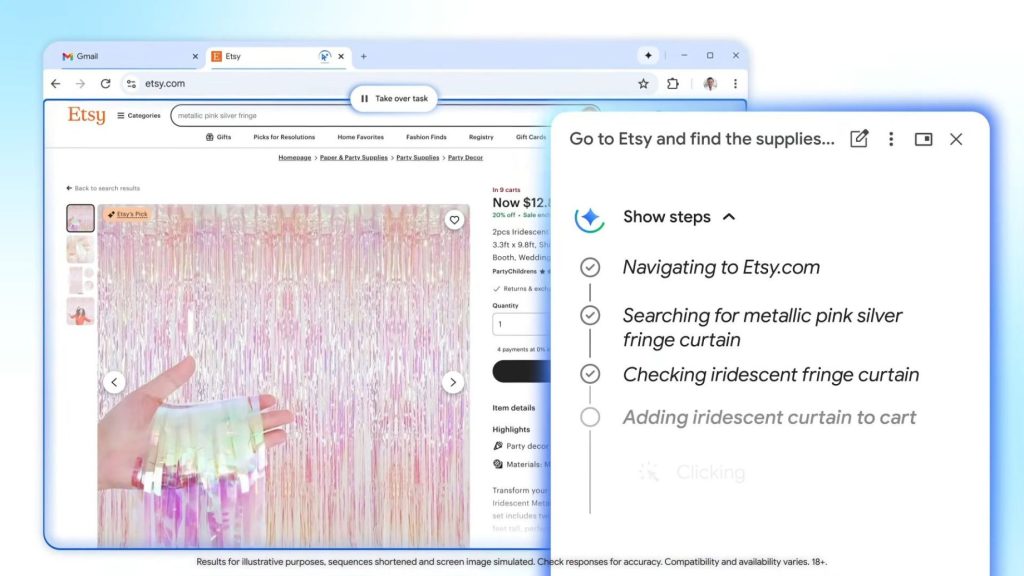
The headline addition is “auto browse,” a Gemini-powered capability that lets the AI scan open tabs and handle everyday web tasks like booking trips, updating customer records, scheduling calls, and pulling data from multiple sites.
For instance, it could transfer information from a Google Doc to a company CRM, compare prices from different vendors across tabs, summarise a job candidate’s portfolio, or gather key details from a competitor’s website.
Google stresses that humans remain in control, with users required to review and approve every AI action before it proceeds. The goal is to cut down on monotonous work, freeing staff for more creative and strategic roles.
This fits the hype around AI saving time, but studies paint a different picture. Research from Harvard Business Review suggests AI isn’t reducing work, it’s intensifying it, as workers face pressure to do more in less time. With Chrome holding over 65 per cent of the global browser market in early 2026, according to Statcounter, Google’s push could reshape office dynamics.
The features launch first for U.S. Google Workspace users and can be enabled through admin settings. Google assures companies that their custom instructions won’t train its AI models, a key concern amid reports of firms like Meta using employee data for similar purposes.
Workers can save favourite workflows as reusable “Skills,” triggered by simple shortcuts. On the security front, Chrome Enterprise Premium now helps IT teams spot rogue AI tools, compromised extensions, and unusual activity in a system called Shadow IT risk detection. It provides summaries of updates and tips for compliance.
Google has also deepened ties with Okta to prevent session hijacks, strengthened extension controls, and added support for Microsoft Information Protection to enforce uniform policies. These steps not only enhance safety but also help Google cement its lead in workplace AI, echoing past shifts when employee-driven tools like cloud storage took hold.