

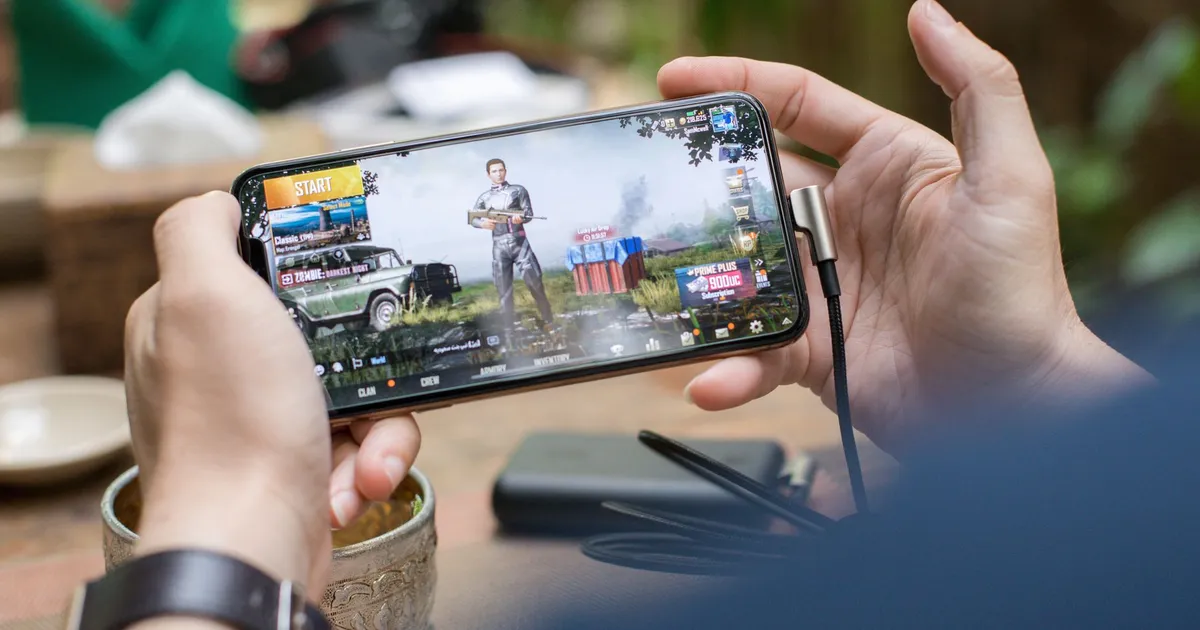
A huge leak from Curaçao has exposed the inner workings of SpinBet, which Newsroom describes as New Zealand’s number one online casino. It confirms something regulators here have half-admitted for years. Offshore operators can target Kiwi punters, pay local influencers to recruit them, and treat New Zealand’s penalties as a marketing expense.
That is a problem for problem gamblers. It is also a problem for every domestic operator that pays the levies, follows the rules and funds community grants, while competing with businesses that do none of those things.
A licence nobody checked
The source material is damning. In 2025, Dutch outlet Follow the Money reported that around 84,000 confidential documents from the Curaçao Gaming Authority named roughly 800 owners of nearly 650 licensed gambling firms. The documents showed the regulator routinely granted licences without establishing whether the declared owners actually controlled the businesses. Curaçao-licensed sites were still being blacklisted and fined for targeting countries where they had no permission to operate, often hiding behind letterbox companies.
This is the system SpinBet sits inside. When the home regulator cannot verify ownership, New Zealand’s enforcement tools are aimed at a target nobody can clearly identify.
Fines priced as a marketing cost
The Department of Internal Affairs has tried. In September 2025, four influencers and an offshore operator were fined a combined $125,000. Millie Elder-Holmes was fined $5,000 in May 2025 and then a further $10,000 for two more breaches.
The most telling line came from DIA’s gambling director at the time, Vicki Scott. She said offshore casinos were paying influencers significantly more than the fines they faced, with payments estimated at tens of thousands to hundreds of thousands of dollars. The maximum infringement fine is $5,000. Any business owner can do that arithmetic.
The recruitment reaches well past celebrities. In July 2025, DIA contacted 10 university students promoting sites including Rainbet and SpinBet. Newsroom reported that Rainbet’s student affiliates were being offered up to $1,200 a week for content. The deterrent is not working.
A $1.36 billion market run from overseas
The stakes are large. DIA’s market analysis put New Zealand’s online gambling market at $1.36 billion as of September 2025, with 360,000 customers. Spend rose 10.5% in a year while the customer base grew only 2.7%, so the growth came from existing gamblers spending more. Operators licensed in just four jurisdictions, Cyprus, Gibraltar, Great Britain and Malta, captured 96.3% of spend.
The Crown doesn’t fully know how much money leaves the country this way. Offshore gambling revenue reported to Inland Revenue was $342.5 million for the year to June 2023, a figure officials conceded was probably an underestimate. Some 3.6% of adults used overseas providers in 2023/24.
Local operators carry the load
The uneven playing field is documented in the government’s own papers. A 2024 Regulatory Impact Statement found offshore operators paid GST but not the Problem Gambling Levy, with no regulator or harm tools applying to them. In 2024 IRD officials acknowledged that taxing online casinos at international rates would leave them facing lower tax than NZ casinos or gaming machines.
Online casinos, at $800 million to $1 billion a year, had become the country’s largest gambling category by late 2025 while returning nothing in community funding. Entain said it had detected more than 200 offshore operators still chasing NZ punters even after the sport and racing ban.
Then-TAB chief executive Nick Roberts warned in documents released in 2025 that an open market “threatens the viability of all domestic gambling operators” for the benefit of offshore multinationals.
Licensing only works if it bites
The 15-licence regime due this year is meant to fix this. Back in March 2025, then-Internal Affairs Minister Brooke van Velden said she expected large offshore companies to win most licences. A Cabinet paper warned that adding community grant obligations would make New Zealand one of the highest-taxed jurisdictions and licences less attractive.
The case for licensing is sound. Bringing operators inside the tent beats pretending a ban stops them. But the SpinBet leak shows what licensing has to deliver. It needs ownership checks that go beyond a Curaçao certificate. It needs penalties scaled to revenue rather than a $5,000 flat fee. And it needs follow-through on DIA’s warning that platforms could be asked to geo-lock or deactivate repeat offenders.
Without those, the licences will reward operators who already profited from the gap, and the unlicensed ones will keep paying influencers more than the fines cost.
Sources
- Newsroom: Massive Curaçao leak exposes workings of NZ’s number 1 online casino (2026-10-05)
- NZ Herald: Four influencers, including Calen Morris and Millie Elder-Holmes, caught up in $125,000 Government gambling ad crackdown (2025-09-28)
- RNZ: Uni students warned about promoting overseas gambling websites on social media (2025-07-17)
- Newsroom: Who Benefits – How monopoly money bought NZ’s gambling scene (2025-12-16)
- DIA: 2025 New Zealand Market Insights Report – Historical Market Analysis (2025)
- Ministry of Health: Strategy to Prevent and Minimise Gambling Harm 2025/26 to 2027/28 (2025-09)
- Kupe Data Explorer: 2023/24 New Zealand Gambling Survey (2024)
- Regulatory Impact Statement: Online Gambling Regulatory Design (2024-07-02)
- IRD Tax Policy: Officials recommend taxing online casino operators in line with the tax rates imposed in other countries (2024-03-14)
- RNZ: Offshore operators poised to dominate new online gambling market (2025-03-11)
Join the discussion
Add useful context, ask a good question, or challenge an idea — keep it specific and respectful.