

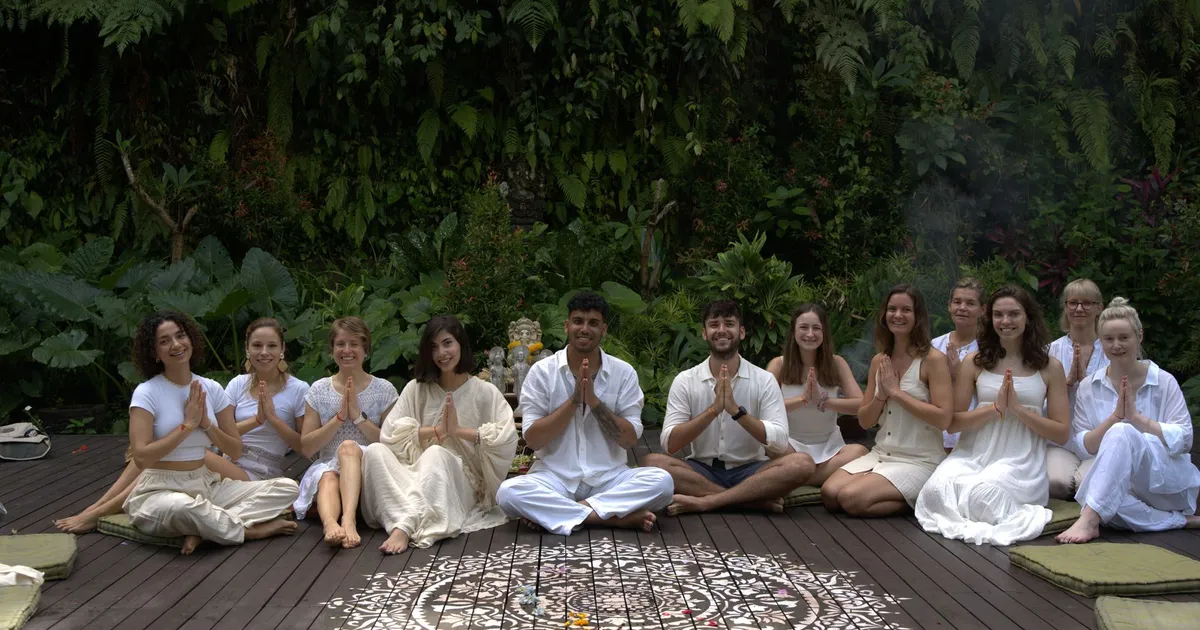
The story behind the headline
Stuff’s 19 September 2026 investigation into a shaman who hosts retreats where people say they hallucinated reads like lifestyle content gone wrong. For business owners, insurers and venue operators, it should read as a risk-management memo.
The wellness retreat sector has quietly become a growing commercial activity operating inside New Zealand’s existing legal framework, largely without understanding or complying with its obligations. Once attendees are reporting adverse psychological effects and safety concerns, this stops being soft lifestyle reporting and becomes a question of who is liable when something goes wrong.
The short answer, under law that already applies today, is more people than most operators realise.
The liability has already crystallised in a tribunal
This is not hypothetical exposure. In February 2026, the Tenancy Tribunal awarded a former resident of the Kawai Purapura retreat in Albany $5,503.15 in compensation after the operating trust failed to protect her from a fellow tenant’s sustained intimidation campaign.
The adjudicator described the fellow tenant’s behaviour, which included threatening messages, thrown objects and running taps outside her cabin at night, as “a calculated campaign of conduct that’s only purpose could possibly be to intimidate and frighten the tenant”. The tribunal found the landlord had breached the Residential Tenancies Act by failing to enforce house rules and evict the harasser.
The claimant initially sought $130,796, reduced to $100,000 to fit within tribunal jurisdiction, a signal of the scale of perceived harm. And with up to 100 people staying simultaneously, the absence of screening, house rule enforcement and conflict resolution is not an oversight. It is a governance failure with a legal price tag.
The law already applies, whether operators know it or not
The misconception worth killing is that this sector operates in a legal vacuum. It does not. A January 2025 legal guide from Sprintlaw NZ on running a retreat business spells out that operators carry duties under the Health and Safety at Work Act 2015 even when the activity is “relaxing”, and that marketing must not be misleading or deceptive under the Fair Trading Act 1986.
Practical obligations include a written risk assessment, documented safety processes and clear contractor agreements specifying who holds safety responsibility. None of this is optional. What is missing is proactive enforcement. There is no registration, no licensing, no mandatory insurance and no sector-specific health screening requirement. WorkSafe and the Commerce Commission act on complaints, not audits. So the law bites only after harm, which is exactly the worst time to discover you were the person responsible.
Safety variability is the global norm
The risk is not confined to fringe operators. A January 2026 study in JAMA Network Open examined 49 publicly advertised psychedelic retreat organisations, the ones visible enough to be openly marketed, and still found alarming gaps. Only 65.3% had someone with licensed healthcare or emergency response qualifications present at least some of the time, and just 73.5% screened out participants with certain health conditions, leaving more than a quarter with no health screening at all.
The researchers concluded that “substantial variability and lack of oversight remain” and that consumers and health professionals “must navigate this landscape with caution”. If that is the picture among the transparent operators, the ones avoiding scrutiny are a bigger unknown.
Why this lands on ordinary businesses
The barrier to entry is effectively zero. New Zealand had 756,821 companies registered as of 31 July 2026, and incorporating a retreat business costs almost nothing. Operating one safely costs more, and right now that cost is voluntary.
That matters because retreats do not happen in isolation. They rent venues, hire caterers, contract facilitators and sit on insurers’ books. Any business that facilitated a retreat without checking for a risk assessment, contractor liability terms, health screening and professional indemnity cover has taken on exposure it may not have priced. With 889 liquidator appointments in Q4 2025, up 34.7% on the prior year, the financial fragility in the sector is real too, which means chasing an insolvent operator for damages may not be an option.
The practical fix is unglamorous. Written safety plans, clear contractor agreements, participant health disclosure, accurate marketing and professional liability insurance. The shaman story is the headline. The liability that arrives the day a participant is harmed is the story that should be keeping venue owners and insurers awake.
Sources
- Mystical shaman hosts dangerous retreats where people say they hallucinated (2026-09-19)
- Woman awarded compensation after ‘harassment’ permitted at Kawai Purapura retreat (NZ Herald) (2026-02-07)
- Woman awarded compensation after ‘harassment’ permitted at Kawai Purapura retreat (RNZ) (2026-02-07)
- Running A Retreat Business? | Sprintlaw NZ (2025-01-06)
- Latest company statistics | Companies Office (2026-08-10)
Join the discussion
Add useful context, ask a good question, or challenge an idea — keep it specific and respectful.