

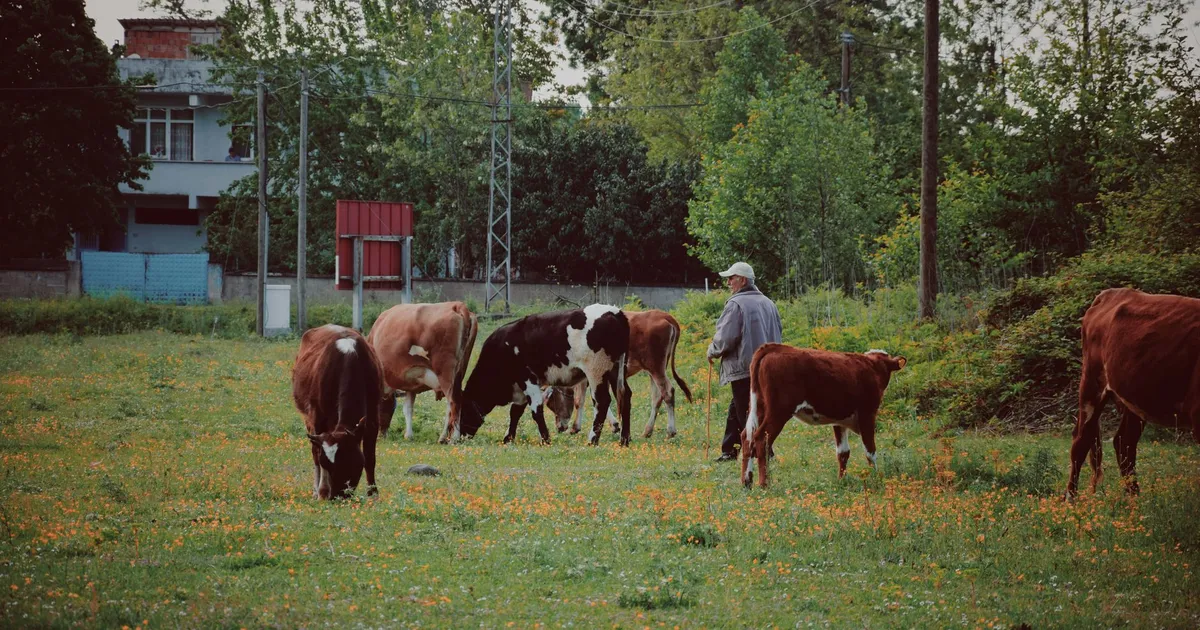
The best result in a decade, and nobody’s celebrating
Federated Farmers’ 35th biannual farm confidence survey, run across 634 farms in July 2026, delivered the strongest profitability result since the metric was first tracked in 2016. 72% of farmers are currently profitable – a record high – and fewer than one in 20 are making a loss, also a record low.
Federated Farmers president Colin Hurst called it “an incredibly positive result and the highest since we started asking about profitability back in 2016”. By sector, 78% of meat and wool farmers and 74% of dairy farmers are currently profitable.
So why is nobody cracking champagne? Because the forward read is grim. Nearly 30% of farmers expect conditions to worsen over the next 12 months, against just 12% expecting improvement. That is real net pessimism at the very peak of a profit cycle – and that gap between current results and forward confidence is the actual story here.
The timing trap
Hurst explained the mechanism plainly. “We’ve had the really good prices,” he said, but the 2026/27 financial year brings “the full wallop of the extra costs with fertiliser and fuel, so the big part happens in the spring”. Farmers, in other words, are watching the good money land while they price up next season’s costs and not liking what they see.
Top of the worry list is rising input costs, cited by 33% of farmers. Hurst pointed to a recurring theme in written comments that “fuel, fertiliser, freight, insurance and other costs are ratcheting up faster than returns”, leaving farmers with limited ability to pass those costs on.
The macro data confirms the squeeze. Stats NZ’s March 2026 quarter figures showed the Farm Expenses Price Index up 1.7% and input prices up 1.4%, both outpacing output prices – and that was before the full cost impact of the Persian Gulf conflict flowed through. That same geopolitical shock props up NZ’s export commodity prices while it drives up fuel, fertiliser and freight, sitting on both sides of the farm ledger.
Dairy is where the margin is tightening
The pessimism concentrates in dairy, where 39% of farmers expect a downturn ahead, against 18% of meat and wool farmers. The arithmetic explains why. DairyNZ forecasts farm working expenses rising to $6.19/kgMS for 2026/27 and the breakeven milk price climbing to $8.79/kgMS, up 36 cents on the prior season. Fonterra also trimmed its 2026/27 forecast payout around the time the survey ran, narrowing the comfortable buffer of the 2025-26 season.
BDO Advisory Principal Chris Harvey summed it up in July 2026 – “while the income line remains healthy, costs are rising” – though he offered a steadier note that farmers are entering this cycle “with stronger balance sheets, better data and more options” than in past downturns.
Arable is a separate, darker story
One sector is missing the party entirely. Only one in five arable farmers is profitable and nearly one in four is making a loss, which Hurst described as “a game of two halves” after several poor seasons, especially in Canterbury. Depressed global grain and seed markets compound the cost problem, and 70% of arable farmers making a loss say their wellbeing is affected – the human cost behind the numbers.
Politics adds another layer of nerves
The election ranks as the second-biggest concern, cited by 30% of farmers, with regulation and red tape third at 23%. Hurst described farmers as “politically anxious” ahead of November’s vote, worried that resource management reform started under the current government might not be completed under a new one. This is a sector that wants the deregulation finished, not reversed.
What it means downstream
Here is the read for the wider economy. More than half of respondents plan to increase on-farm spending, but that is largely unavoidable cost pressure rather than bullish investment. And with just 15% of farms carrying no debt, the higher OCR stacks a direct financing cost on top of input inflation running at 4.1%, the highest in two years.
Hurst noted that “farmers doing well multiplied for the whole New Zealand economy”. The reverse holds too. Machinery dealers, rural lenders, freight firms, processors and regional retailers all live on farm spending. The pattern was already visible in the January 2026 mid-season survey, where profit expectations turned negative for the first time since early 2024. A sector budgeting defensively from record profits will be selective with discretionary dollars, and that caution will hit rural town economies well before it registers in national statistics.
Sources
- RNZ: Soaring costs, election and potential dairy downturn overshadow farmers’ decade-high profits (2026-09-17)
- Interest.co.nz: Uncertain outlook shades high farmer confidence (2026-09-16)
- Farmers Weekly: Farmer profits soar but confidence slips (2026-09-14)
- Stats NZ: Business Price Indexes March 2026 Quarter (2026-05-19)
- BDO: New Zealand Dairy Outlook 2026/27 (2026-07-16)
Join the discussion
Add useful context, ask a good question, or challenge an idea — keep it specific and respectful.