

The example that says it all
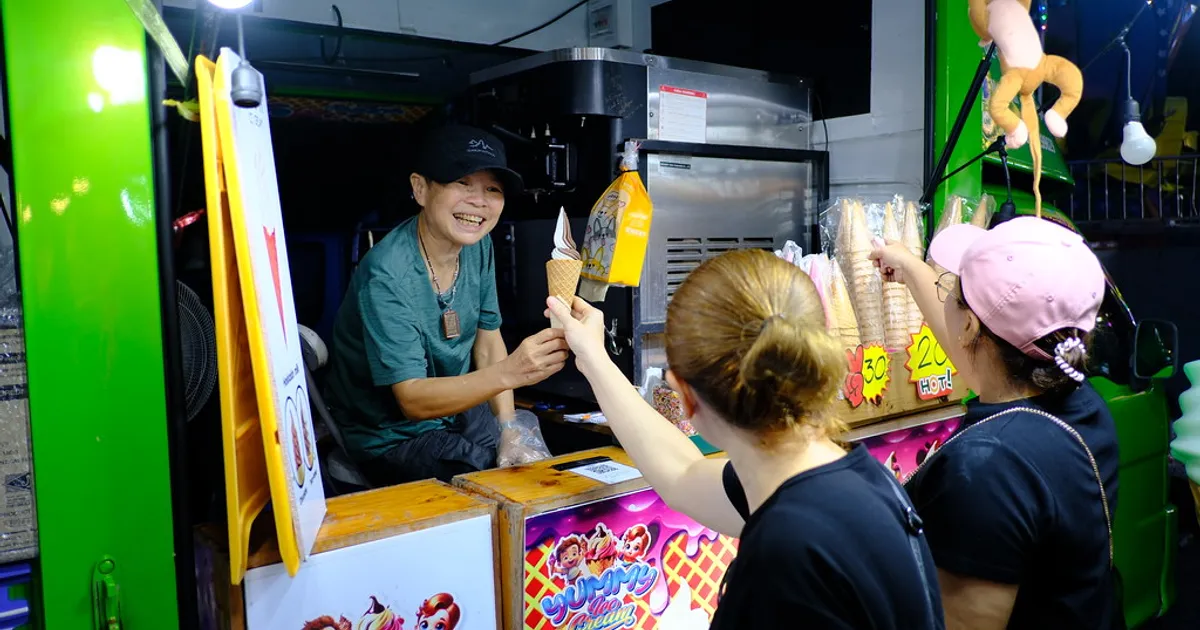
Regulation Minister David Seymour reached for a single, damning story to explain why the Ministry for Regulation spent nearly a year picking apart the rules that govern New Zealand hospitality. A food truck operator seriously considered setting up in Australia because the Kiwi process was so bureaucratic. Across the Tasman, they were handed one contact and a clear pathway. Here, they had to meet 13 different officials from 8 different central and local government agencies, navigating a pathway the review itself called confusing and complex.
That is the whole problem in one anecdote. And on 9 September 2026, the Ministry for Regulation released its Hospitality Sector Review, confirming in evidence what operators have complained about for years.
The numbers behind the frustration
This is not a marginal industry. Minister Louise Upston has put hospitality at a $21.4 billion sector employing more than 193,000 people, a slice of the economy that has been squeezed hard since Covid.
The review’s final report, delivered to ministers in July 2026, puts hard numbers on the mess. There are 358 bylaws across 67 territorial authorities, roughly six per council, each with its own quirks. Alcohol licensing takes an average of 55 to 78 working days to process. Fees are not scaled to size or risk, so a small operator can pay the same as a large one. And in a twist that should embarrass the councils involved, some do not even cover their own regulatory costs through fees, forcing ratepayers to subsidise the shortfall.
What the review actually found
The systemic failures are grimly familiar to anyone running a pub or cafe. Businesses hand the same information to the same regulator multiple times. Licensing decisions come with no clear timeframes, leaving operators guessing. Alcohol licensing and renewals were found to be inefficient and disproportionate to actual risk. Food safety requirements are not always proportionate either, and even putting up a marquee can trigger unnecessary building consent and planning costs.
The local government dimension is where the real bite is. In its November 2025 submission, Hospitality NZ pointed to Porirua City Council passing a 428% increase in liquor licensing fees in 2024. That is not a rounding error. It is a council using a captive regulatory process to shift costs onto operators who have no competitive check and nowhere else to go.
The 24 recommendations worth watching
The report lands 24 recommendations on ministers’ desks. The practical ones include a nationally standardised application form, scrapping annual and bi-annual licence renewals, scaling fees by revenue, and letting food trucks be verified once and recognised across regions.
But two structural signals matter most. The first is appointing a dedicated steward for the alcohol regulatory system and replacing the current tangle of licence types with a single risk-based framework. The second is repealing the Hotel Association of New Zealand Act 1969, a 57-year-old relic. If ministers accept those two, it signals genuine intent rather than cosmetic tinkering.
The sector is buzzing but not naive
Industry reaction has been unusually warm. Hospitality NZ CEO Kristy Phillips told the Mike Hosking Breakfast the sector is “buzzing” about the findings. She called it an important step, noting that regulation “has held many of these businesses back from reaching their full potential” and that, “if implemented,” the recommendations would support better growth and investment decisions.
That conditional phrase, “if implemented,” is doing a lot of work. Spirits New Zealand welcomed the finding that the alcohol system “is not functioning effectively, efficiently, or proportionately”, and the New Zealand Alcohol Beverage Council backed streamlined renewals, fairer fees and clearer first-time licensing.
The test that matters
Upston has committed to a Hospitality Action Plan to coordinate the response. That is the right structure, but it is also one more layer between a well-evidenced review and actual change. The conditions for reform are as good as they have been in years. The review is thorough, the sector is united, and both Seymour and Upston sit firmly in the coalition’s deregulation wing.
But New Zealand has a long habit of producing action plans instead of action. The next food truck operator is the real test. Will they get one contact and a clear pathway, or will they still be booking meetings with 13 officials from 8 agencies? Ministers will decide which recommendations to accept in the coming weeks. Operators should watch how many of the 24 survive.
Sources
- ‘We are buzzing’: Hospo sector thrilled by promise of regulatory relief, consistency (2026-09-10)
- Hospitality sector facing too many fees, too much red tape, review finds (2026-09-09)
- Hospitality Industry Served Regulatory Relief (2026-09-09)
- David Seymour announces hospitality industry regulatory relief (2026-09-08)
- Hospitality Review Final Report (2026-07)
- Hospitality Sector Review Findings An ‘Important Step’ – Hospitality NZ (2026-09-09)
- Hospitality New Zealand Submission to Ministry for Regulation on Hospitality Review (2025-11-12)
- Spirits New Zealand Welcomes Release Of Hospitality Review (2026-09-09)
- NZABC Welcomes Practical Reforms To Streamline Alcohol Licensing In The Hospitality Industry (2026-09-09)
Join the discussion
Add useful context, ask a good question, or challenge an idea — keep it specific and respectful.