

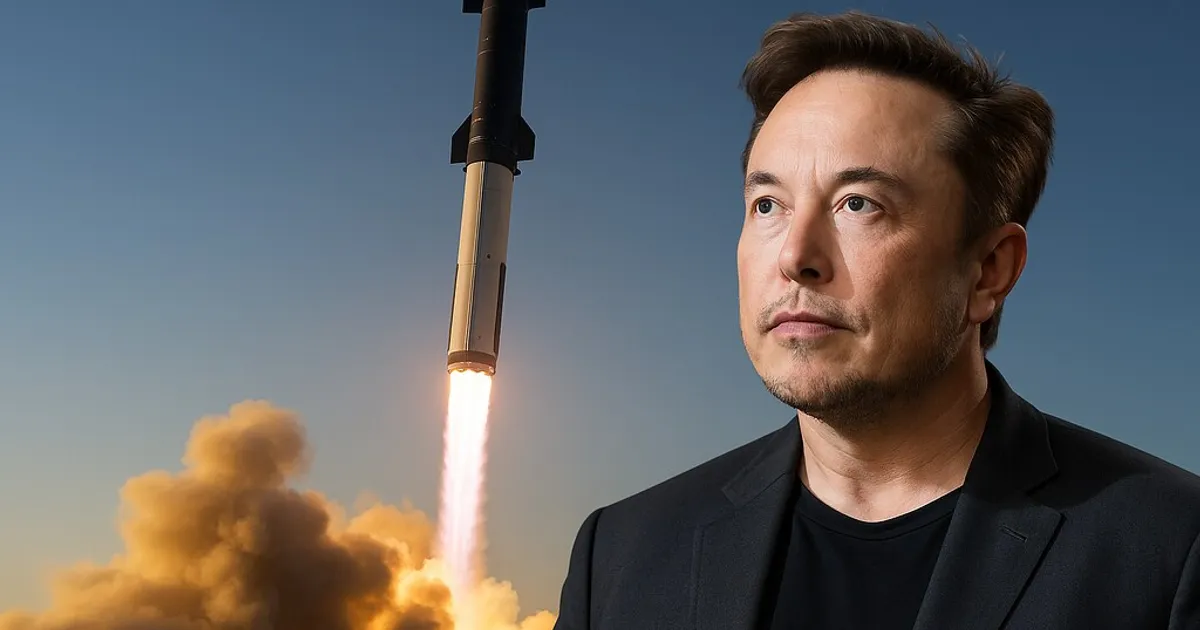
A record IPO built on a shaky number
When SpaceX raised US$75 billion in its 12 June 2026 float, the largest listing in US stock exchange history, it carried a valuation of just under US$1.80 trillion. The financial reality beneath that number was less impressive. The company lost US$4.9 billion in the prior year on US$18.7 billion in revenue, and traded at close to 100 times revenue against Nvidia’s 22 times.
Independent analysts were not fooled. Morningstar Research could only justify US$63 per share on its base case, less than half the US$135 IPO price, and even its moonshot scenario, given a 7% probability, stretched only to US$154. As of 11 August 2026, SpaceX was trading at US$134.19, below its IPO price and down from a June high of US$225, a 49% fall in roughly two months.
The 5% float that turned hype into whiplash
The detail most retail buyers missed is structural. Only around 5% of SpaceX shares are publicly traded. AUT professor of finance Aaron Gilbert explained why that matters. SpaceX “tended to attract a lot of hype”, he said, and with such a thin float “it is relatively easy for those optimistic investors to have a strong influence on the initial share price”. The same dynamic works savagely in reverse.
Gilbert warned the stock would “remain a volatile investment” where “small pieces of positive or negative news can produce outsized share price movements”, because its value rests on what it might become rather than what it earns. Forsyth Barr senior equities analyst Aaron Ibbotson was blunter, calling it “one of those proper FOMO stocks” that “goes up because it goes up and then down because it goes down”.
Kiwi savings managers sat this one out
The institutions running everyday New Zealanders’ retirement money were conspicuously absent. As Paul McBeth wrote at The Bottom Line in June 2026, “for New Zealand’s institutional investors and KiwiSaver managers, the SpaceX IPO was simply too rich”. They largely waited for the market to price the stock before committing. Kernel founder Dean Anderson noted it was common to see excitement about IPOs that then waned, with concerns about a “fairly lofty” valuation built on ambitious long-term assumptions.
Retail investors went the other way. Roughly 23,000 New Zealanders bought in via Sharesies, many now nursing losses.
A two-tier loss, with a tax sting on top
Not everyone got the same deal. Sharesies opened the IPO only to NZ wholesale investors registered before 7pm on 10 June 2026. Those who got in at US$135 and held are roughly at breakeven despite a brutal drawdown. Retail investors who bought in the aftermarket, at anywhere between US$160 and US$225, are materially underwater.
And there is a distinctly New Zealand kicker. Nick Stewart, financial adviser and CEO at Stewart Group, warned that many who chased the aftermarket now face “the flipper’s tax intention without the profit, and no way to offset the loss”. Under NZ’s trading intention rules, an investor who bought hoping to sell at a profit can face a tax liability even when they end up selling at a loss.
The movie we have all seen before
Stewart drew the parallel directly to New Zealand’s own float frenzy, when Serko and ikeGPS both listed at $1.10 and quickly traded below issue price, with ikeGPS down more than 18% on debut. As he put it, the market had been paying for blue sky and simply stopped. “The hype had outrun the businesses.”
The bull case is not nothing. Starlink has 10 million users worldwide, including 85,000 in New Zealand, and its share of the NZ rural broadband market rose from 19% to 27% in a year. But Amazon’s Project Kuiper is closing in, and at US$200 a share Gilbert reckoned investors needed Starship, Starlink dominance and floating AI data centres to all pay off at once.
For any business owner being pitched a glamour private-market opportunity, SpaceX is a free checklist. What is the float? What does an independent valuation say? How do you get out? And is the excitement about the business, or about not missing out? Stewart’s line lands the point. “Savvy investors are anti-hype.” The rocket was real. The valuation was fiction, and everyone with a spreadsheet could see it.
Sources
- NZ Herald: Share crash wipes $1.7 trillion from the value of Elon Musk’s SpaceX, crimps thousands of Kiwi investors (2026-08-11)
- NZ Herald: We’ve seen this SpaceX movie before – Nick Stewart (2026-08-06)
- 1News: NZ investors losing money in near US$1 trillion SpaceX price slump (2026-07-16)
- RNZ: New Zealand investors among those losing money in SpaceX price slump (2026-07-16)
- The Bottom Line: You don’t have to invest in SpaceX but you can’t ignore it (2026-06-14)
- BusinessDesk: Sharesies opens SpaceX IPO to its NZ wholesale investors (2026-06-05)
Join the discussion
Add useful context, ask a good question, or challenge an idea — keep it specific and respectful.