

The tarmac at 3am
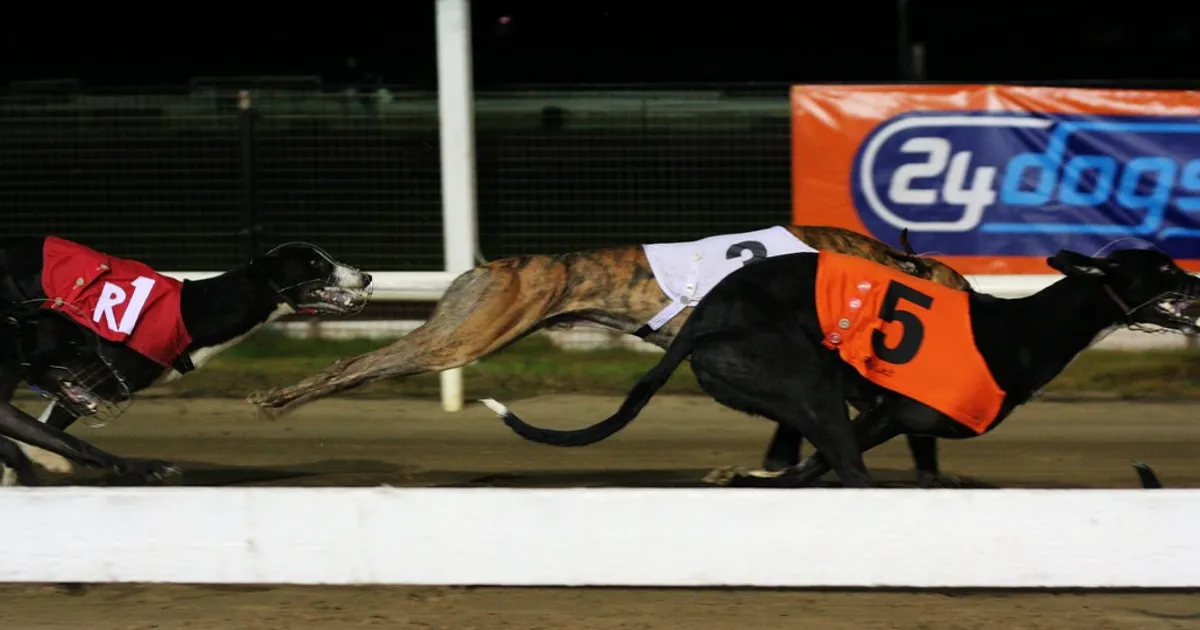
On the morning of 7 August 2026, an Airwork-operated charter plane took off from Christchurch Airport carrying greyhounds bound for Toowoomba in Queensland. It is the first of two flights funded by Greyhound Racing New Zealand that will move up to 140 dogs out of the country following the racing ban that took effect on 1 August. Footage of dogs in wooden crates on trailers, yelping on the tarmac before dawn, was filmed by an animal rights group and obtained by the Herald.
The welfare debate here is over. Parliament voted, the ban is law. What this story is actually about is something every business owner should recognise: when you close an industry by decree, you do not eliminate its capital, its workers or its institutional knowledge. You just remove the domestic market. The people with the most skin in the game then find the exit that maximises their return. In this case, that exit is a plane to a country where greyhound racing is still legal.
Where the money went
GRNZ is paying the full cost of both flights. SPCA senior scientific officer Alison Vaughan told the Herald the bill is “in the hundreds of thousands” across the two flights, and that this is money that “would have otherwise been transferred to the Greyhound Transition Agency for rehoming of dogs as pets.”
That is the crux. GRNZ has pooled funds it is legally entitled to deploy. It has chosen to spend them relocating dogs and trainers to Australia rather than directing them to the government-established transition agency. Greyhound Transition Agency head Heather Simpson told the ABC the move appeared “to be kind of a deliberate attempt to avoid New Zealand’s transition agency.”
Of course it is. A rational actor told its business is now illegal will not voluntarily hand its remaining capital to the agency winding it down. It will spend that capital preserving the parts of the enterprise it can still monetise offshore.
The companion animal loophole
Toowoomba sits about 90 minutes from “The Q”, a greyhound track that cost more than $100 million and opened in 2025. The dogs are being imported into Australia as “companion animals,” a classification that hands authorities no control over what happens next. Australian biosecurity executive Brant Smith told a Senate hearing that once the dogs arrive “that’s not something that we have control over thereafter because they’re being imported as companion animals.” Most are expected to be used for breeding and racing.
Australian Greens Senator Mehreen Faruqi called it a set of “loopholes that allow the continued export of racing dogs” that neither country seems to care about. Between six and ten trainers have expressed interest in relocating. GRNZ chief executive Edward Rennell told the BBC: “We will be supporting people that are looking to transfer over,” noting most New Zealanders need no special visa to live in Australia.
The exit costs nobody budgeted for
The legislation set up the transition agency to operate until 31 July 2029, extendable to 2031. A May 2025 Ministerial Advisory Committee interim report put total transition costs at up to $60 million over three years.
The rehoming pipeline was already straining before the ban landed. That 2025 report found 2,500 greyhounds registered at the start of 2025, only 529 rehomed in the nine months to April, and a rehoming waiting list up 109% year on year to 723 dogs. The agency now holds responsibility for roughly 1,400 dogs still in New Zealand.
A spokesperson for Racing Minister Winston Peters dismissed the flights as “the last gasp actions of a dying industry”, distancing the government politically without lifting a finger to stop them.
The transferable lesson
The Christchurch tarmac is just the most photogenic version of a problem that recurs every time Parliament shuts an industry down. Regulatory exit costs are almost always underestimated, and the operators with the deepest stake will always find the rational escape route, whether that is a charter flight, a reclassification, or simply steering pooled funds away from the official channel.
The question for anyone drafting a prohibition is not whether the affected businesses will comply. It is whether the transition architecture is built for people who have just been told their livelihood is illegal, or whether it quietly assumes their cooperation. On the evidence of the past week, the exit was designed for compliance and met with a plane.
Sources
- Greyhounds flown from Christchurch to Australia after racing ban (2026-08-07)
- Charter flights to bring about 150 greyhounds to Australia as NZ racing ban begins (2026-08-01)
- Greyhounds bound for Australia as New Zealand racing ban takes effect (2026-08-01)
- Interim report of the Greyhound Racing Ministerial Advisory Committee (2025-05)