

A recall that stops at the border
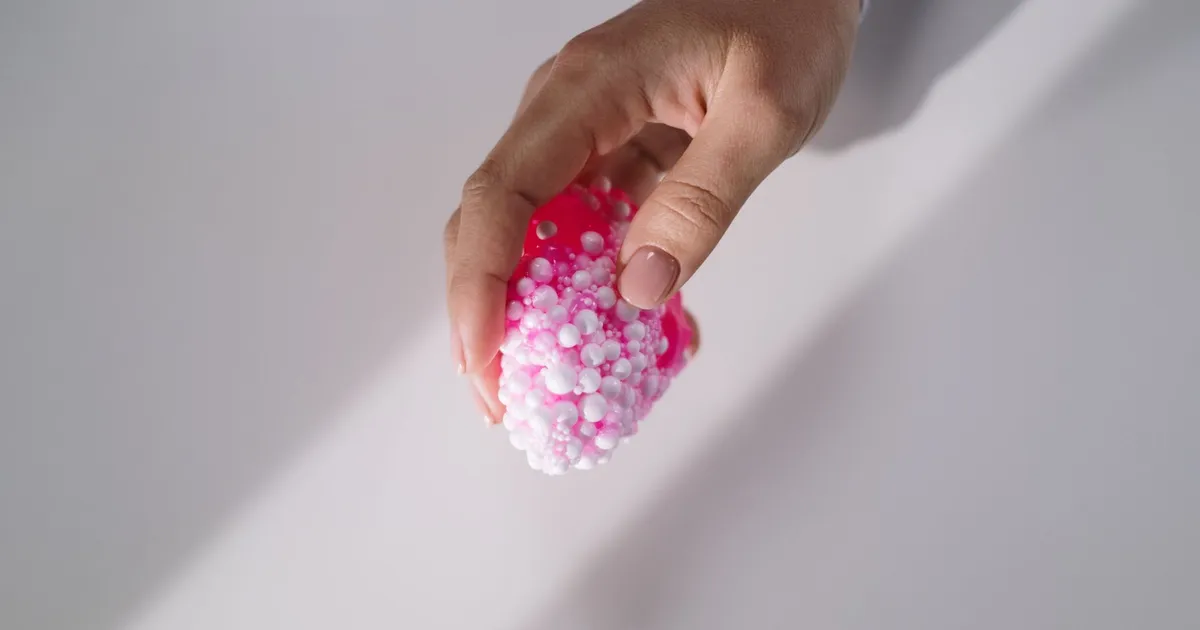
In June 2026, Hull City Council testing found benzene in the outer layer of a soft gel-filled toy called Squeezy Dumplings, and the UK pulled it. Benzene irritates skin and, at significant exposure, causes a burning sensation through the digestive tract. Yet more than a month later, RNZ reported the same toy can still be ordered into New Zealand through AliExpress. Consumer NZ confirmed it is not stocked by The Warehouse or Kmart, but the marketplace channel remains wide open.
This is the core problem for any New Zealand business that imports goods, stocks third-party products, or runs a marketplace. An overseas recall does not automatically trigger a New Zealand one. There is no mirror. When Britain acts, nothing here moves unless an importer voluntarily pulls the product or the Commerce Commission steps in.
The timing is the story
On 1 July 2026, Commerce and Consumer Affairs Minister Cameron Brewer and Regulation Minister David Seymour announced that New Zealand will recognise US and EU toy safety standards as equivalent to its own. Toys meeting those standards are deemed compliant here. The framing was common-sense red-tape reduction, and on its own merits, mutual recognition of standards is sensible trade policy that cuts genuine compliance costs.
The catch is what it doesn’t cover. The recognition framework aligns standards, not recalls. A product can meet US or EU standards at manufacture, be recalled later over a specific batch failure or a counterfeit copy, and still be legally importable here. The UK toy safety rules that caught Squeezy Dumplings are EU-derived, so a product banned under the very standards New Zealand is about to lean on can keep flowing in. We are easing the front door open at the exact moment the products moving through global supply chains are demonstrably more dangerous.
That tension isn’t going unnoticed. On 23 July 2026, RNZ’s Afternoons with Jesse Mulligan featured a Waikato mother calling for a rethink on the new approach.
The regulator is trusting suppliers to mark their own homework
Gemma Rasmussen, Consumer NZ’s head of research and advocacy, put the structural flaw plainly. “Shoppers shouldn’t have to wonder whether a toy is safe. Yet for many products sold online, there has been no independent testing before they reach New Zealand homes,” she told RNZ. The regime, she said, relies heavily on risk assessments commissioned by suppliers themselves rather than independent verification. “That system only works if manufacturers are doing the right thing and problems are identified quickly. Unfortunately, that’s not always the case.”
She pointed to a second failure in the same news cycle. “Whether it’s asbestos in play sand or benzene in a toy, these cases demonstrate why we cannot rely solely on manufacturers’ own safety claims,” she said, referencing AUT research confirming asbestos in some children’s play sand sold here. Two separate product safety failures, both reaching consumers through mainstream retail channels.
Traceability is where liability turns lethal
Britain’s enforcement shows what proper action looks like, and why it’s hard to replicate offshore. In July 2026, Rhondda Cynon Taf Trading Standards seized more than 200 dangerous squishy toys that lacked manufacturer or importer details, batch codes, and traceability information. Without that data, no one can determine who is responsible when something goes wrong, and no product can be effectively recalled anywhere. Guernsey Trading Standards warned parents on 3 July 2026 that the dumpling toys had become one of the most popular children’s toys of 2026, often sold in packaging mimicking bamboo steamer baskets.
What this means for importers and marketplaces
Under New Zealand law, liability sits with the importer or seller. When the seller is an offshore platform like AliExpress, Temu or Shein, enforcement is practically very difficult, but a domestic business that stocks a product later recalled overseas can face Fair Trading Act exposure if a consumer is harmed. History shows how long the lag can run. A Baby Banana Teether was sold online in New Zealand for nearly four years, from January 2021 to October 2024, before being recalled over a choking hazard.
The practical takeaway for any business touching imported product is that overseas recall monitoring is now a live compliance function, not an optional extra. Rasmussen has called on the government to build a product safety system that reflects the actual risk profile of New Zealand’s marketplaces. If Wellington is going to trim import friction, the honest counterpart is a recall mechanism that keeps pace. Right now, the front door is getting wider and the tripwire is still missing.
Sources
- Squishy dumpling toy banned overseas can still be ordered in New Zealand (2026-07-31)
- Why a Waikato mum wants a rethink over toy standards (2026-07-23)
- Urgent warning after 200+ dangerous squishy toys found – RCT Trading Standards (2026-07)
- Trading Standards warns parents over fake squishy dumpling toys – Guernsey (2026-07-03)
- Annabel Trends Baby Banana Teether recall – Product Safety New Zealand