

The signal investors were waiting for
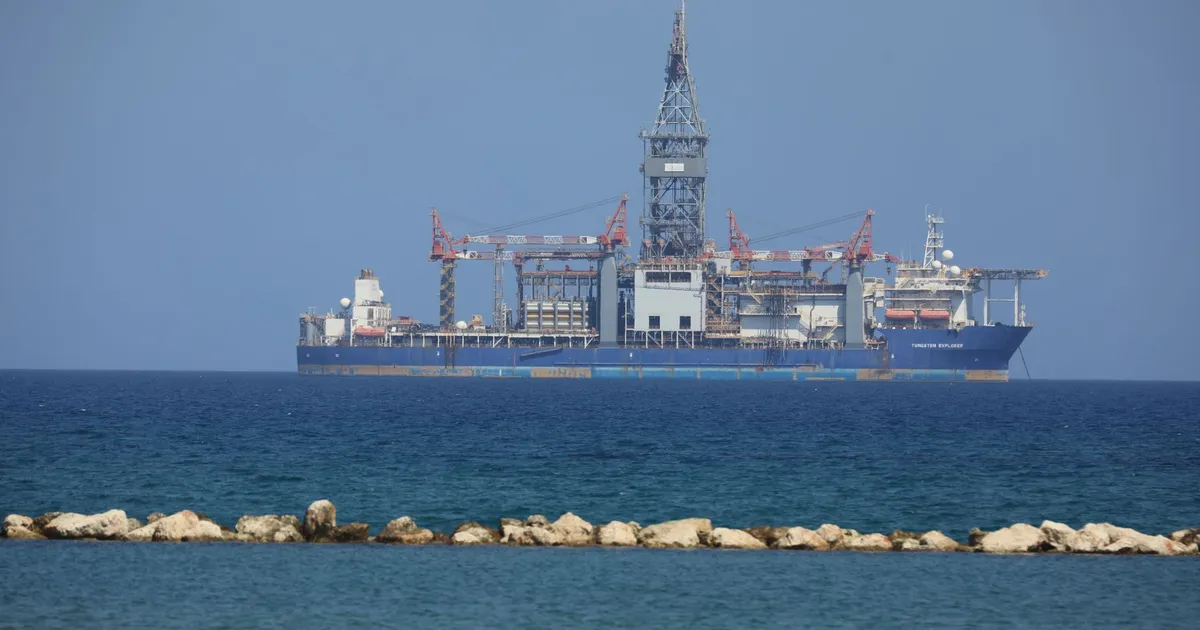
New Zealand has granted its first offshore petroleum exploration permit since the ban was reversed, handing Adelaide-based EnZed Energy a 12-year permit over roughly 546 square kilometres in the offshore Taranaki Basin. The permit covers the Kaheru prospect, east of the producing Kupe gas field.
Resources Minister Shane Jones framed it as proof the country has reopened for business, calling the permit “a clear signal that confidence is returning and investors are once again prepared to back New Zealand’s resource potential.” The rhetoric is warranted. Long-cycle energy capital does not commit to 12-year exploration horizons on a whim, and the fact that offshore permits are being applied for at all tells you the regulatory environment has shifted decisively.
This is not an isolated bet. EnZed’s application drew no rival bids by the time the three-month window closed on 5 January 2026, but it is one of six petroleum permit applications lodged since the Government removed the ban. Sunda Energy, which only entered the New Zealand market in April 2026, has applied for a 645 square kilometre block off the northern Taranaki coast, with its CEO Dr Andy Butler saying the move “reinforces the company’s intention to build a substantial operation in New Zealand.”
The policy fix is real, and so is the political clock
The offshore ban was introduced by the then Labour-led Government in 2018, restricting new permits to onshore Taranaki. The coalition reversed it through the Crown Minerals Amendment Act, which received royal assent on 5 August 2025. It was contentious: at select committee, 94.5% of submitters opposed the bill.
Here is the part that matters for capital allocation. Opposition parties have signalled they would reinstate the ban if elected, but would honour permits already granted. That single dynamic explains the rush of six applications in barely a year. Applicants are moving now to lock in permits that survive a change of government. Regulatory certainty is back, but it comes with an expiry warning stamped on it, and that is driving rational urgency rather than settled confidence.
The reserve number that should worry industrial users
The policy signal is genuinely positive. The supply data underneath it is not. As at 1 January 2026, New Zealand’s proven and probable natural gas reserves fell 23% in a year to 731 petajoules, the lowest level since records began more than two decades ago.
Break that decline apart and it gets worse. Of the 217 petajoule drop, only 108 petajoules was gas actually produced, while 109 petajoules came from operators marking down their own recoverable estimates. Nearly half the fall was not depletion. It was the industry quietly revising down what it thinks it can pull from existing fields. That is a structural signal, not a one-off. On top of that, operators expect to produce just 85 petajoules in 2026, 15% below the profile they filed a year earlier.
The last major offshore gas discovery, Pohokura, was found in 2000. Kaheru itself carries baggage: a previous permit there was surrendered in 2017 after holders concluded drilling was uneconomic.
What it means if you run a factory
For manufacturers, food processors and large commercial operators, the honest read is that this permit does nothing for the next few years. Energy Resources Aotearoa CEO John Carnegie, speaking on the Mike Hosking Breakfast on 30 July 2026, said exploration is “an inherently risky exercise” but that with supportive settings, if a commercial discovery is made, “it might be possible to get gas to market in as little as five or so years.” Five years, assuming they find anything.
Meanwhile the reserve write-downs and production shortfalls are happening now. Gas underpins electricity generation when renewable output is low, and price volatility from thin gas peaking capacity is a present-tense cost, not a future one.
The seven-year ban dug a supply hole that exploration cannot fill quickly. The policy is fixed, the capital is responding, and that genuinely matters for the long run. But the gap between a permit and gas flowing to industrial users is measured in years, and every reserve report between now and then is likely to show the existing portfolio shrinking. Whether Kaheru changes that depends on geology, economics, and a regulatory regime that has to survive an election first.
Sources
- First New Offshore Petroleum Permit Granted (2026-07-29)
- First offshore petroleum permit granted after ban repeal (2026-07-29)
- First offshore oil and gas permit since the ban reversal goes to EnZed Energy (2026-07-29)
- John Carnegie on the first offshore oil exploration permit since the ban’s reversal (2026-07-30)
- New offshore exploration permit lodged off northern Taranaki coast (2026-07-14)
- Sunda Energy Applies for New Zealand Exploration Permit in Taranaki Basin (2026-07-14)