

The spike lands at the worst possible moment
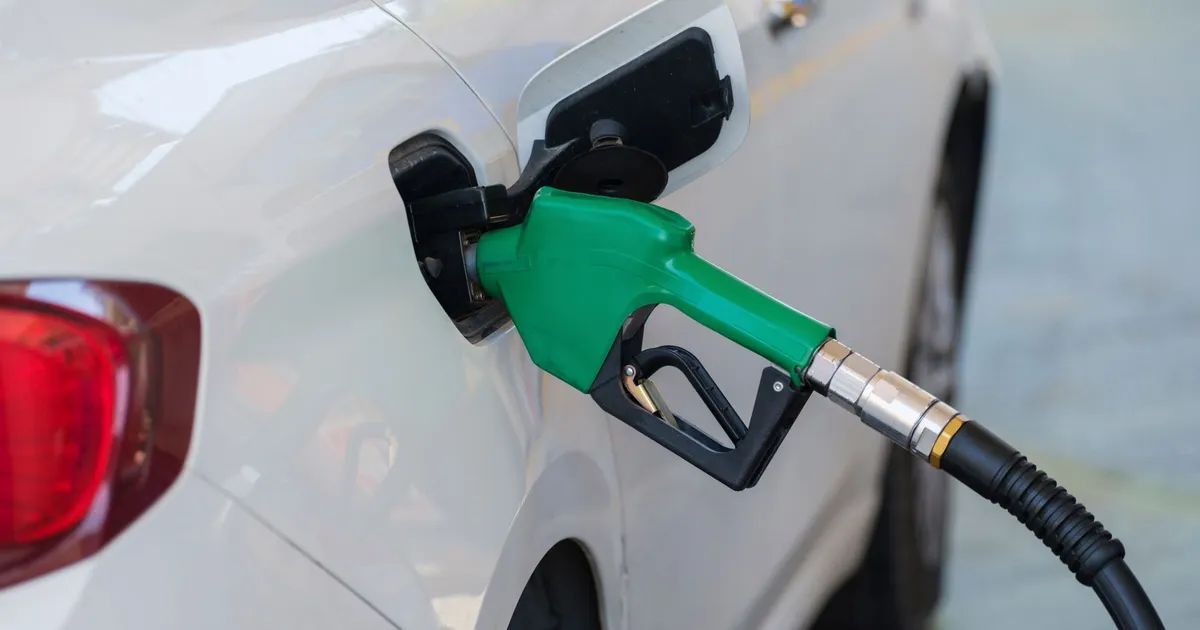
Brent crude rose back above US$100 a barrel on Friday, and NZ Herald business editor Liam Dann says that will push retail petrol prices “well past $3 a litre in the coming days”. The trigger is a double blow: the US escalating conflict with Iran and fresh US tariff increases on New Zealand goods landing in the same week.
The household cost-of-living framing writes itself, and it is real. But for business owners the sequencing is sharper. Fuel is not just a pump price. For any operator running a van, a truck or a fleet, it is a core input cost that rises fast and hits margins immediately, well before consumer demand comes back to pay for it.
The diesel numbers were already brutal
This spike lands on a cost base that has been climbing for over a year. Stats NZ data showed petrol prices rose 18.6% from February to March 2026 alone, the largest monthly increase since Stats NZ began publishing monthly price movements. Diesel was worse, up 42.6% in that single month, also a record. Over the year to March 2026, petrol was up 13.9% and diesel up 36.9%.
For freight operators and anyone running a diesel fleet, that annual diesel figure is not an abstraction. It is a direct hit to operating costs, and a fresh crude spike stacks another layer on top of it.
Confidence had only just crept back
The timing is what makes this dangerous. Westpac senior economist Michael Gordon reported that the NZIER business confidence survey showed a net 12% of business owners feeling positive in the June quarter, up from net 1% in March. But he attributed the improvement to a brief de-escalation in Middle East tensions and warned that renewed conflict and rising oil prices could reverse the trend.
That reversal arrived eleven days after Gordon made the call. He also noted that 41% net of firms had raised prices, mainly due to fuel costs, not broad inflation – meaning the price rises already rippling through the economy were largely a fuel story, not a demand story.
Prices rise fast and fall slow
The structural problem for operators is asymmetry. In 2024, the Commerce Commission estimated that if fuel companies dropped prices as quickly as they raised them, motorists would benefit by around $15 million a year. When fuel delivered to Auckland was set to fall by 11.5 cents a litre, lags in retail adjustment meant Aucklanders were over-paying by nearly $1 million in the first week alone.
A March 2026 analysis of the road freight sector confirmed the same pattern for 91 and 95 octane: cost increases pass through immediately, cost reductions lag. If you buy fuel as an input, you feel every rise in full and fast, and wait longer for relief. Expect fuel adjustment factors and surcharges across logistics chains to move up quickly, and to linger once crude eventually falls.
The Reserve Bank has no clean move
Economists forecast inflation of 4.1% for the year to June 2026, with Middle East fuel costs a key driver. Finance Minister Nicola Willis has pointed out that stripping out the fuel shock leaves underlying inflation at just 2.9%. Dann’s response is blunt: you cannot exclude the fuel shock, because the price at the pump is very real.
Higher fuel prices put upward pressure on inflation, making it more likely the Reserve Bank has to lift rates faster. That traps the bank: raise rates to curb fuel-driven inflation and you further suppress an already weak domestic economy with high unemployment and households cutting spending. Hold, and inflation embeds. There is no cavalry coming.
What business owners should do now
New Zealand has no leverage over the cause. As Dann notes, the US administration “doesn’t care in the slightest about our domestic economic fortunes.” The question for operators is not whether costs will rise. They will. It is how fast you can reprice your own services before the margin gap opens. Firms that build transparent, well-calculated fuel surcharges now, and communicate them early, will protect margin. Those waiting for demand to recover first will be absorbing the hit out of their own pockets for weeks.
Sources
- The Trump wrecking ball strikes … again! – Liam Dann (2026-07-25)
- Households brace for higher inflation – Morning Report (2026-07-20)
- Michael Gordon: Westpac senior economist on business confidence picking up for the June quarter (2026-07-14)
- Petrol and diesel prices up in March 2026 – Stats NZ (2026-04-17)
- Road Freight Sector Watching Oil Prices As Middle East Conflict Continues – Scoop (2026-03)
- Delay In Dropping Petrol Prices Costing Kiwi Motorists $15m A Year At The Pump – Scoop (2024-06)