

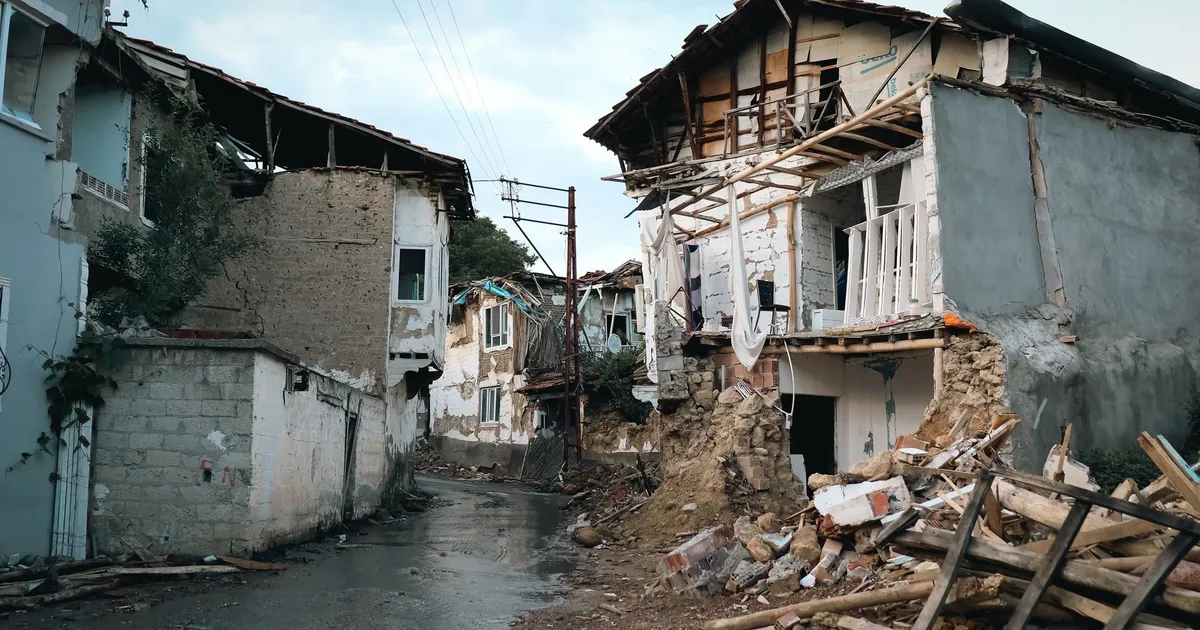
Nowhere is immune, and that is the point
Two unrelated magnitude 5.9 earthquakes struck New Zealand inside eight days in late July, the second 5km south-west of Taumarunui at 4:51am on Saturday 26 July, felt by more than 23,000 people across both islands. Earth Sciences New Zealand seismologist Sam Taylor-Offord called the Taumarunui event the largest ever recorded in that area, a region where quakes of that size are rare precisely because it sits behind the country’s most active fault zones.
His message was blunt. “We live in New Zealand. We will get more earthquakes. Where they will happen is more or less anywhere in the country,” he said. NEMA director of Civil Defence Emergency Management John Price named the real hazard for business owners directly: complacency. “An earthquake will occur anywhere, anytime in New Zealand,” he said.
Awareness is not action
The gap between knowing and doing is the whole problem. Research released in June 2026 by the Natural Hazards Commission Toka Tu Ake found seven in ten New Zealanders knew how to make their homes more quake-resistant, rising to 74% among homeowners, but most had not acted. The barriers were money, time, and a belief that action was not yet necessary.
That commercial version of that gap is worse. Studies of SME behaviour after the Canterbury earthquakes found the most common preparedness step firms took was buying business insurance and drafting a continuity plan, while the harder operational work, including maintaining emergency supplies and tested fallback systems, was the least adopted. Most owners did the easy, visible thing and skipped the rest.
The insurance you have may not be the insurance you think
Start with the balance sheet. The Natural Hazard Fund holds roughly $670 million, which looks solid until you weigh it against history. The Canterbury earthquakes drove NZ$32 billion in insurer payouts, and the 2016 Kaikoura earthquake added an estimated NZ$3 billion to NZ$8 billion in total costs. Public funds cover a fraction of the true exposure.
Cover is also getting pricier and patchier. Home premiums have grown at three times the rate of the consumer price index since 2011, with a 40% jump in the past two years, and commercial premiums have tracked the same line. Consumer NZ warned in early 2026 that the country faces a “really serious” situation as insurance becomes unaffordable and, in high-risk areas, simply unavailable. Wellington, sitting on multiple faults, is already the most expensive place in the country to insure. The days spent under a state of emergency rose 237% in the 12 years to 2026, and insurers are pricing that in.
So the first question is not whether you have a policy. It is whether it covers business interruption rather than just physical damage, how long the waiting period is before it pays, whether the sum insured has kept pace with construction inflation, and whether it excludes the specific hazards, liquefaction or landslide, relevant to your site. Owners who have not read their policy since the last renewal may be underinsured without knowing it.
When the cloud is in the disaster zone
The most pointed lesson from July came from the government itself. NEMA’s own website went down during the Fiordland tsunami warning on 17 July, blamed on a firewall issue. If the national emergency agency’s site can fail during an actual event, any business relying on systems or servers hosted in an affected region carries the same risk.
That reframes readiness as four practical tests. Can staff reach critical data if the office is cordoned off, and has anyone actually tried it from a remote location? Can payroll run for a week if your bank branch or payment system is disrupted, given payroll failure was one of the most immediately damaging problems for Canterbury SMEs? If a key supplier sits in the affected zone, is there a mapped alternative, remembering that Kaikoura cut State Highway 1 and the main rail corridor for months? And when did you last run through the first 48 hours, rather than leaving a plan in a drawer?
The window closes fast
The pattern is consistent. Awareness spikes after an event, then fades. A 2023 Financial Services Council survey found 76% of New Zealanders reconsidered their financial risk protection after major weather events, but that urgency rarely survives the news cycle. New Zealand ranks among the most naturally hazard-exposed economies on earth, and the two July quakes were a reminder delivered cheaply. The firms that treat readiness as a balance-sheet exercise now, insurance reviewed, data tested, payroll and suppliers stress-tested, are the ones that will still be trading when the next one lands somewhere nobody expected.
Sources
- ‘Nowhere is immune’: Experts urge quake readiness after two in a week (2026-07-25)
- Earthquakes top New Zealanders’ fears, but few homes are ready (2026-06-09)
- ‘Really serious’: Call for urgency as review of insurance commences (2026-02-05)
- NEMA sorry after website outage during Fiordland tsunami warning (2026-07-17)
- RBNZ says quakes could cost NZ$8 bln (2016-11-30)
- 76% Of New Zealanders Rethinking Their Financial Risk In Wake Of Catastrophic Weather Events (2023-05-02)
- Preparation of small to medium-sized enterprises for earthquake events