

A trillion-dollar unwind in five weeks
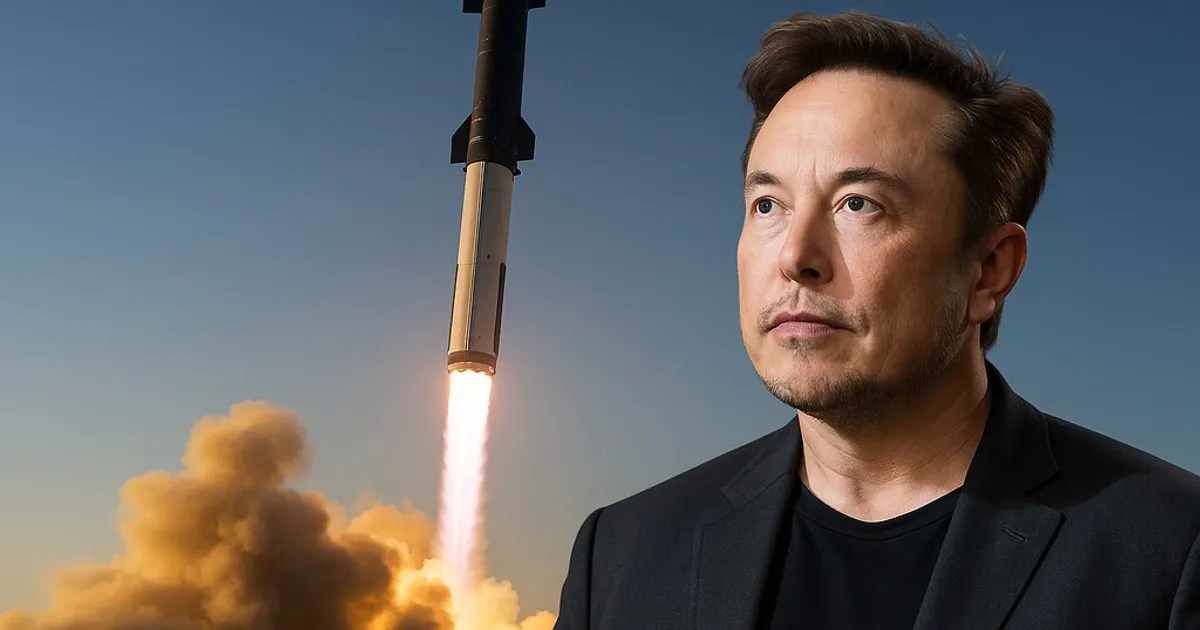
SpaceX listed on the Nasdaq on 12 June 2026, raising US$75 billion in one of the largest IPOs in history at a valuation just under US$1.80 trillion. Within weeks the shares topped US$200. By 16 July they were trading at US$134.19, below the IPO price of US$130. The slide has wiped more than US$1 trillion off SpaceX’s market value and cost Elon Musk his trillionaire status, with Forbes now putting his fortune at US$864 billion, down from a peak of US$1.2 trillion.
Caught in the downdraft are roughly 23,000 New Zealand investors who bought SpaceX through Sharesies. Sharesies co-chief executive Leighton Roberts said last month the platform was “pleased with the allocation” it secured, and that the stock had been a popular secondary-market pick. No public risk caveat accompanied that.
The mechanics guaranteed a fall
Here is the part retail buyers should have understood before clicking buy. AUT professor of finance Aaron Gilbert noted that “only around 5 percent of the company’s shares are publicly traded”, meaning a small pool of optimists can push the opening price well above what a broader, more cautious shareholder base will later tolerate. As that base widens, he said, “it is not unusual to see some of that initial enthusiasm unwind.”
Kernel founder Dean Anderson described the same squeeze, with “a relatively small portion of capital being raised” triggering a scramble for scarce equity. Once the buying eased, he said, “people have effectively done their shopping and what we’re seeing is the price starting to come back down.”
Forsyth Barr senior equities analyst Aaron Ibbotson was blunter, calling SpaceX “one of those proper FOMO stocks”. “It goes up because it goes up and then down because it goes down. Stocks with limited connection to fundamentals move on sentiment.”
The fundamentals were never cheap
Strip out the hype and the numbers are sobering. SpaceX lost US$4.9 billion last year on US$18.7 billion of revenue, according to its pre-IPO SEC filings. At US$200 a share, Gilbert said, investors needed “a great deal of SpaceX’s future potential to become reality”, including Starship succeeding commercially and Starlink dominating satellite internet globally.
Because so much of the company’s value sits in cash flows many years out, Gilbert warned, “even relatively small changes in expectations about growth, profitability or interest rates can have a large impact on today’s share price.” His bottom line, even after the pullback, was that SpaceX is “not obviously a cheap stock”.
Starlink, the revenue engine, has 10 million users worldwide including 85,000 in New Zealand, but competitors are closing in. Amazon’s Leo constellation plans a commercial launch by year-end, and Google-backed AST SpaceMobile is months away from its own broadband service. As the ODT reported, the next real test comes with SpaceX’s first quarterly results, when Starlink growth and AI-infrastructure spending finally get scrutinised.
The retailisation problem nobody wants to name
The SpaceX episode is a symptom of something bigger. New Zealanders are pouring money into markets at scale, with KiwiSaver funds under management reaching $123.1 billion by 31 March 2025 and total managed funds hitting $369.1 billion by December 2025. The FMA’s 2025 report also flagged rising exposure to private equity, private debt and unlisted infrastructure, the same appetite for frontier risk that drove SpaceX buying.
Platforms like Sharesies have democratised access to US equities, which is genuinely good. The issue is not access, it is asymmetry. A first-time investor can buy a loss-making, sentiment-driven megacap in three taps, with no obvious signposting that a 5% free float and a valuation baking in years of flawless execution make this a very different proposition from an index fund.
Nobody forced 23,000 New Zealanders to buy a stock that had already tripled. Personal responsibility matters, and speculation is a free choice in a free market. But when platforms market allocations as a coup and stay quiet on the downside, the risk communication is doing none of the work. The next batch of hyped listings is already forming. The investors who treat this slump as a lesson rather than a fluke will be the ones still standing.
Sources
- RNZ: New Zealand investors among those losing money in SpaceX price slump (2026-07-16)
- NZ Herald: Share crash wipes $1.7 trillion from the value of Elon Musk’s SpaceX, crimps thousands of Kiwi investors (2026-07-16)
- ODT: NZ investors lose as SpaceX shares nosedive (2026-07-16)
- FMA: KiwiSaver Annual Report 2025 (2025)