

An insurance policy nobody wants until they need it
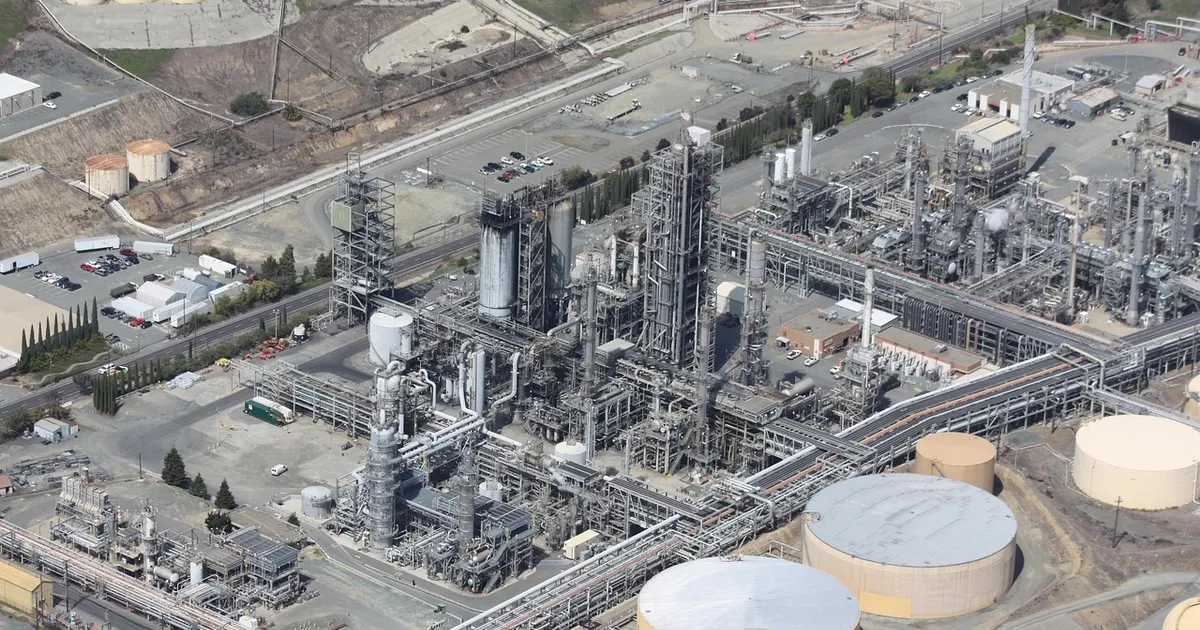
On 8 July 2026, Z Energy commissioned two major fuel storage facilities at Marsden Point, with Prime Minister Christopher Luxon, Finance Minister Nicola Willis and Associate Energy Minister Shane Jones on hand. The centrepiece is a refurbished diesel tank holding more than 90 million litres, sitting alongside a refurbished 30-million-litre jet fuel tank that more than doubles the site’s existing jet fuel capacity. That 30 million litres of jet fuel is the equivalent of 10,000 flights between Auckland and Wellington.
Julian Hughes, who leads Z’s supply team, summed up why this matters for anyone running a business dependent on diesel or aviation. “The most expensive time to build an insurance policy is during the crisis,” he told Newsroom. “It takes a little bit of courage to do that ahead of time.” The 2026 Middle East fuel crisis was the wake-up call, and to its credit the government moved.
How exposed New Zealand actually is
The vulnerability is self-inflicted. The 2022 closure of the Marsden Point oil refinery turned New Zealand from a partial refiner into a fully import-dependent market. Mandatory in-country minimum stockholding obligations, petrol 28 days, diesel 21 days, jet fuel 24 days, only came into force on 1 January 2025, a full three years after the refinery shut.
The concentration of supply is the part that should worry any freight, farming or logistics operator. In 2025, more than 90% of New Zealand’s fuel came from four Asian countries: South Korea at 51%, Singapore 31%, Malaysia 9% and Japan 3%. Nearly every route passes through or near Middle East shipping lanes. Z’s own research early in the crisis found New Zealand was one of the few countries without strategic fuel reserves for exactly this scenario.
The deal, and the hard bargain
The reserve was locked in under a strategic supply agreement between the Crown and Z Energy, with commercial arrangements finalised on 20 April 2026. The government is contributing up to $21.6 million from the Regional Infrastructure Fund, Z procures, owns and manages the volumes, and the Crown controls release to market. The 90 million litres equates to roughly nine days of national supply, or 550,000 barrels, with government stressing no impact on pump prices.
Hughes described it as “one of the most intense negotiations we’ve been involved in”, citing both the stakes and the timeframes. Reuters reported the diesel storage deal in early April 2026 as the crisis was still live.
Still a fragile margin
The cushion is real but not generous. As of April 2026, New Zealand held 56 days of petrol cover, 45 days of diesel and 47 days of jet fuel, each edging down from the prior update, with the country kept at phase 1 of the national fuel response plan. Luxon warned at the time that “the ceasefire is fragile and the Strait of Hormuz remains effectively closed”, leaving fuel security elevated as a risk.
For context, New Zealand’s five major importers hold about 1,053 million litres of bulk storage across Northland, Auckland, Wellington and Canterbury. In 2021, Z Energy’s own analysis noted the country consumed around 8.5 billion litres a year, or 23 million litres a day. Against that daily burn, the new diesel reserve is a meaningful buffer, not a fortress.
What this means for business
If your operation stops without diesel, freight, farming, construction, cold chain, the 2026 crisis showed the supply chain feeding you can be squeezed at source with little warning. Aviation is equally exposed, with jet fuel cover below 24 days triggering mandatory response measures. The extra storage lowers that risk materially.
But Z is signalling the job isn’t finished. Additional jet fuel storage at the Wiri terminal in South Auckland is due to be commissioned in 2027, and Hughes argues for “a greater balance between actual fuel accessibility… versus what’s held by those tickets”, a pointed jab at meeting obligations with offshore holdings and paper instruments rather than fuel physically in the ground. His modelling points to higher minimum stockholding obligations for both diesel and jet fuel.
The smart move here was buying the insurance before the storm rather than during it. The next question is whether the government keeps building physical resilience once the Strait of Hormuz falls out of the headlines, or lets the courage of 2026 quietly lapse.
Sources
- Newsroom: New fuel storage buys NZ an insurance policy before the storm (2026-07-08)
- RNZ: New Zealand to stay at phase 1 of fuel response plan despite drop in supplies (2026-04-14)
- Beehive: Q&A – Agreement with Z Energy to deliver additional 90 million-litre diesel buffer (2026-04-20)
- Z Energy: Security of Fuel Supply (2021-12-09)