

A pest that eats the balance sheet
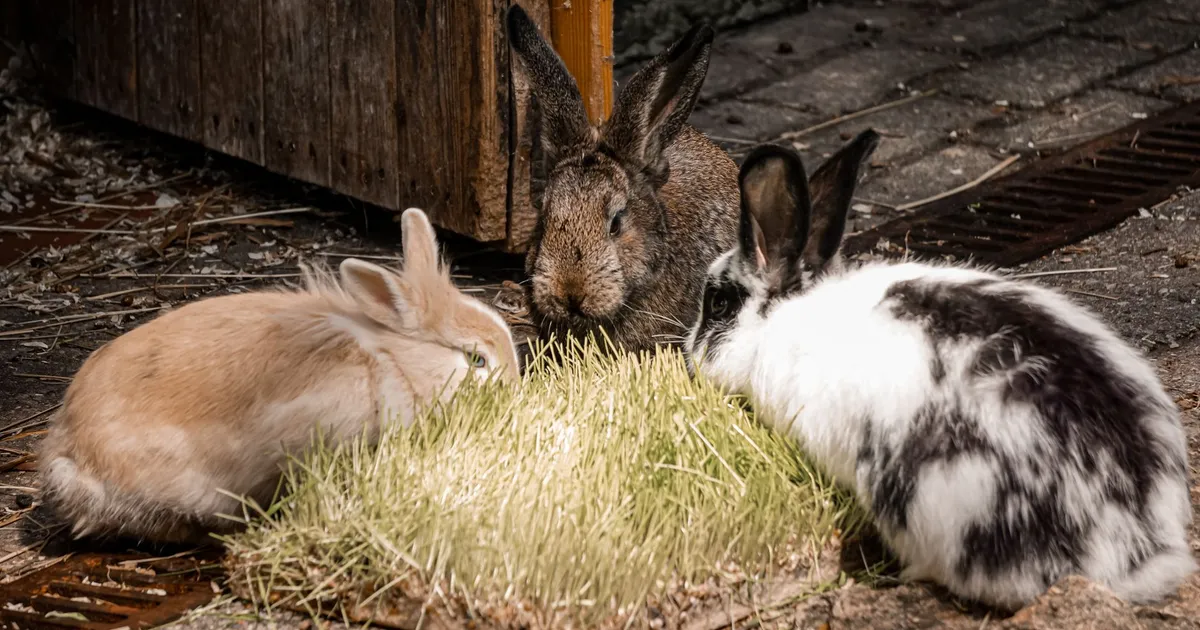
Rabbits are not a postcard nuisance. They are a productivity problem with a dollar figure attached, and that figure is climbing. The Otago Regional Council is reviewing its Regional Pest Management Plan, replacing the 2019 document after an 18-month data-gathering and cost-benefit process. The trigger for fresh attention is an ORC survey that ranked rabbits as the region’s most worrisome pest, ahead of feral cats, possums, mustelids and wilding pines.
The anchor number comes from Biosecurity New Zealand’s director of pest management John Walsh, who cites a 2020 estimate putting rabbits at nearly $200 million annually in lost production alone. That is a sharp escalation. In 2022, an industry analysis put the total rabbit cost at around $75 million, split between $50 million in lost production and $25 million in control. Whether the jump reflects broader methodology or genuine acceleration, the direction is the wrong one.
The mechanism is what makes rabbits insidious. DOC notes that on average 7 to 10 rabbits eat as much pasture as one ewe, so a moderate infestation can quietly strip a property’s carrying capacity without obvious damage. Then the burrowing causes erosion that can render land permanently unproductive. By the time it looks bad, the margin has already gone.
What it looked like at its worst
The Newsroom piece profiles Alistair Campbell of Earnscleugh Station near Alexandra, a 22,000-hectare high country property that endured perhaps the worst infestation in New Zealand history. In the late 1980s, rabbits were so thick that if you clapped your hands the whole hillside moved. “All the low country was just bare, there were even sand dunes,” Campbell recalled.
The financials were savage. In a 1987 report, Campbell documented that between 2,000 and 4,000 hectares were out of production at any time, stock numbers had dropped by a third, and the property was already under pressure from falling land prices and high interest rates. The Rabbit Board control cost on Earnscleugh ran to $100,000. The turnaround only came when Campbell recruited his own skilled hunters for a relentless, sustained campaign. Forty years on, he remains wary – because rabbits do not stay beaten.
Effort is not the problem
The systemic failure is coordination, not willpower. The Otago Peninsula Biodiversity Group’s 2023 technical guidance is blunt about why sustained control fails – reactive rather than strategic approaches, over-reliance on single methods, no follow-up control, no defensible barriers, and a lack of coordination between neighbouring properties. “There is no quick fix,” it warns.
The lifestyle property boom has made this dramatically harder. Control that once needed agreement among a handful of large farm operators now requires participation from dozens of small landowners, absentee owners and hobby farmers, some of whom resist poisoning near pets or wildlife. In Moeraki, the Hay family, who lease 410 hectares, shot 1,540 rabbits in five weeks but found poisoning impossible because of nearby yellow-eyed penguin habitat and a township full of pet cats and dogs.
Enforcement that keeps coming up short
The council’s own record exposes the gap. In December 2021, RNZ reported the ORC had lifted its biosecurity budget from $1.9 million to $3.6 million, and that 41 percent of inspected properties were non-compliant. By 2023, a midway review found more than half of 516 inspected properties were non-compliant, with no new control methods available and five government agencies among the offending landowners. The Crown itself could not keep its own rabbit numbers down.
Federated Farmers has pushed for a national pest plan, arguing responsibility is split across multiple agencies with no central leadership or clear accountability, so productive land pays the price. The current plan requires all occupiers to keep rabbits at Modified McLean Scale level 3 or below, monitored across 31 night count routes in the ORC’s 2025 Rabbit Night Count Report.
Why this matters before you buy
For farming businesses in Otago and Canterbury, the plan review is not bureaucratic noise. It will set compliance costs, enforcement risk and, ultimately, land productivity. For anyone weighing high country or rural property, rabbit pressure is a material due diligence question that belongs in the numbers, not the footnotes. A neighbour who does nothing can undo years of your spending in a single breeding season.
The uncomfortable truth in the data is that biosecurity failure is an economic failure dressed up as an environmental one, and the farmers carrying the cost are frequently the ones already doing everything right. Whatever the new 10-year plan looks like, it will be judged on one thing – whether it finally forces the laggards to pull their weight before the rest of the district pays for them.
Sources
- Turn your back on a rabbit, and you might lose your farm (2026-06-28)
- Hopes to curb rabbit pest go viral (2023-03-04)
- Effective Long-Term Rabbit Management – Otago Peninsula Biodiversity Group (2023-08)
- Industry-led project hopes to tackle $75m rabbit problem (2022-11-18)
- Otago council ramps up campaign against rabbits (2021-12-09)
- Feds push for national pest plan
- Otago farming couple at a loss over rabbit infestation
- Rabbits – DOC animal pests