

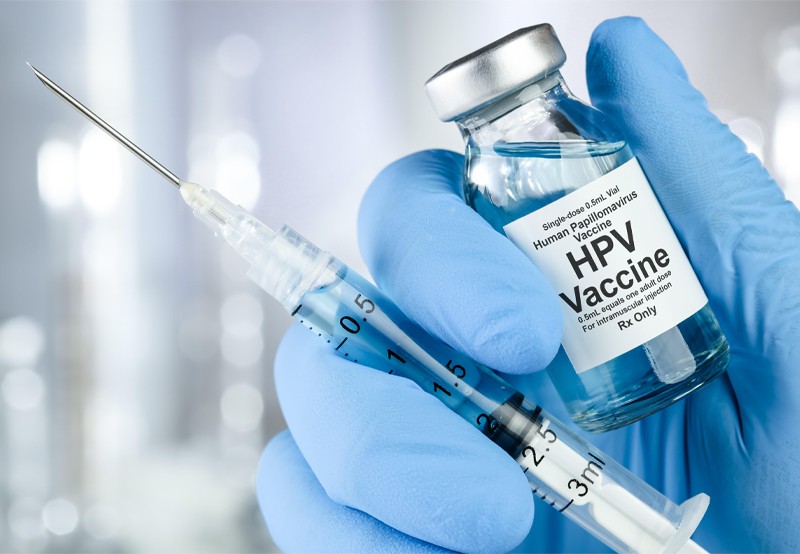
Cervical cancer deaths have fallen to zero among young women in England who were among the first to receive the HPV vaccine at school, according to new research that points to a major advance in cancer prevention.
The study, published in The Lancet, found that around 200 lives have already been saved since the vaccine was introduced for girls in 2008. Among women aged 20 to 24, no cervical cancer deaths were recorded between 2020 and 2024, the first time England has seen a five-year period without a death in that age group. Researchers said about 23 deaths would have been expected without vaccination.
“It’s incredible to think that a single jab can almost eliminate a particular type of cancer,” said Prof Peter Sasieni, the lead researcher at Queen Mary University of London.
The findings suggest that girls vaccinated at 12 or 13 now face an almost zero risk of dying from cervical cancer before the age of 30. Before the programme began, about 20 deaths a year were recorded among women in that age range.
HPV is a common virus passed through close skin-to-skin contact. Most infections clear naturally, but persistent infection can cause abnormal cell changes that may develop into cancer years later. The virus is linked to nearly all cervical cancer cases, with around 3,300 people diagnosed in the UK each year.
Cancer Research UK, which funded the study, called the findings an “incredible milestone,” but warned that lower vaccine uptake could threaten further progress. UK Health Security Agency figures show 76% of girls in England had received the jab by age 15 in 2024-25, below the 90% level recommended by the World Health Organization.
Prof Sasieni said the decline in deaths was only the “tip of the iceberg,” with more benefits expected as vaccinated generations grow older. Health officials said cervical screening remains essential for those aged 25 to 64, even if they have been vaccinated.