

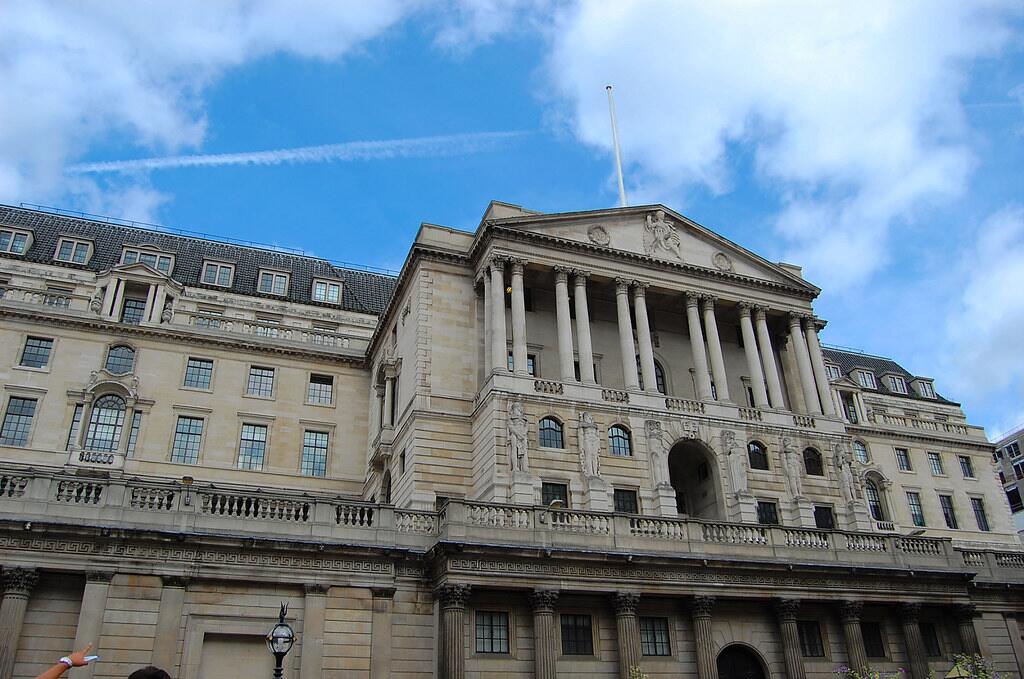
The Bank of England is expected to leave interest rates unchanged this week as policymakers weigh easing energy market fears against the risk that inflation could climb again over the summer.
Economists widely expect the Monetary Policy Committee to keep the Bank Rate at 3.75% when it announces its latest decision on Thursday. A pause would reflect the Bank’s cautious approach at a time when price pressures remain above target, but the immediate threat of a sharper inflation shock appears to have eased.
Official figures released by the Office for National Statistics showed inflation held at 2.8% in the year to May, unchanged from April. The reading was lower than many analysts had expected, partly because food price rises slowed across meat, dairy products, and vegetables. Transport costs, however, rose at the fastest pace and continued to put upward pressure on household budgets.
The figures have strengthened expectations that the Bank will avoid another rate rise for now. Interest rates are used to slow inflation by making borrowing more expensive, but higher rates also increase costs for mortgage holders, businesses, and consumers already facing tight finances.
The Bank had warned at its April meeting that rates could still rise this year after a “significant energy price shock” linked to the Iran war. Those fears have eased after U.S. President Donald Trump said a peace agreement with Iran had been signed, raising expectations that the Strait of Hormuz could reopen fully.
The waterway is a crucial route for global oil and gas shipments, and its reopening would reduce pressure on energy markets. Oil prices have fallen close to their lowest levels since the conflict began, as traders anticipate a return to smoother shipping flows.
Analysts said the agreement made the worst inflation scenarios less likely, but warned that UK households may still face higher bills. Ofgem’s energy price cap is due to rise by 13% in July, affecting millions of homes.
“UK inflation is expected to increase over the summer after the next Ofgem price cap in July, when we will likely arrive at peak inflation, so for now [inflation] data looks like the calm before the storm,” said Victoria Scholar, head of investment for Interactive Investor.
Mortgage borrowers are also under pressure, with Moneyfacts data showing the average two-year fixed deal had risen to 5.60% by 17 June, from 4.83% at the start of March. The average five-year fixed rate also climbed to 5.57%, leaving many households exposed to higher repayments.