

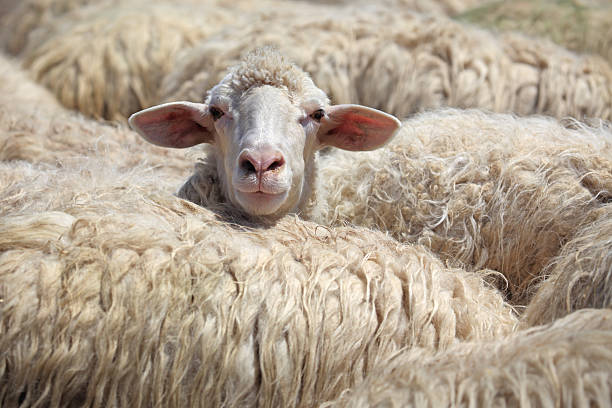
Sheep farmers are increasingly optimistic as strong global demand and supply shortages drive wool and meat prices higher, delivering a welcome boost to rural businesses and rewarding producers who have weathered years of challenging market conditions.
The conflict involving Iran has been widely credited with boosting wool’s fortunes, as disruptions to global supply chains pushed auction prices to their highest levels since 2011.
At the same time, higher oil prices have increased the cost of petrochemical-based synthetic fibres, making natural products such as wool more competitive in international markets.
The Napier auction room was buzzing with activity as strong competition among buyers drove prices higher for sought-after East Coast wool.
Bidding climbed steadily throughout the sale, reaching a high of $6.20 per kilogram.
Kells Wool auction manager Richard Kells said the results reflected the strength of the market and growing demand for quality wool.
“It’s defying gravity; we are in out-of-space territory,” he said.
The region’s wool remains highly sought after by buyers, with local climatic conditions producing a thicker, more durable fibre prized for use in carpets, rugs and other interior furnishings.
Industry experts hope the surge in wool sales will encourage farmers to expand their flocks, helping revive an industry that once made New Zealand synonymous with sheep farming.
“The low wool prices of the last decade have starved people out of sheep farming; many had to do other things to make adequate income, so we are very hopeful that these improved prices will be a spur to increasing the sheep population,” Kells explained.
Central Hawke’s Bay farmer Angie Malcolm hoped the positive market trends would continue, describing wool as a natural, versatile product with enduring value.
“It has been a very long time coming for these wool prices to finally be on the up side of things, and it’s such an amazing product.”
“It’s sustainable; it’s environmentally friendly; the sheep need it to come off for their own health; it’s got all these amazing qualities, and we just need to make sure we keep using it so we don’t lose the wool industry in New Zealand.”