

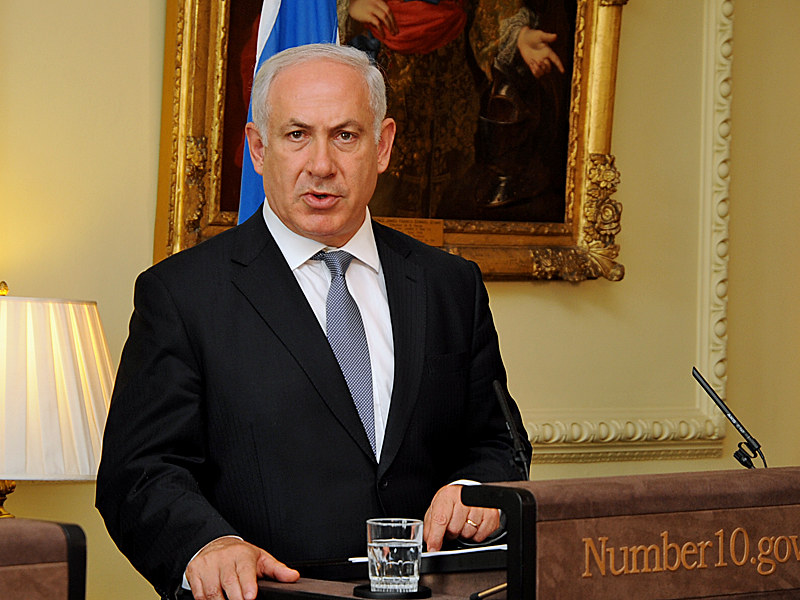
Israeli Prime Minister Benjamin Netanyahu is facing a deepening political challenge after a U.S.-brokered ceasefire arrangement with Iran appeared to place fresh limits on Israel’s military freedom in the region, particularly in Lebanon.
The agreement has complicated the central message that has shaped much of Netanyahu’s political career. For years, he has presented himself as the Israeli leader best able to influence Washington, confront Tehran, and protect the country from its most serious security threats. Now, with an election due before the end of October, all three claims are under pressure.
The most sensitive issue is Lebanon, where Israel has continued to target Hezbollah, Iran’s most important regional ally. Tehran has said the ceasefire should apply to “military operations on all fronts, including Lebanon,” a condition many in Israel believe could strengthen Hezbollah and restrict Israel’s ability to respond to threats across the border.
Opposition leader Yair Lapid told the Knesset on Monday that Netanyahu had been left with “either a direct and destructive confrontation with our greatest ally, or a submissive surrender of Israeli interests.”
That dilemma has become harder for Netanyahu to manage after U.S. President Donald Trump sharply criticised Israel’s decision to strike Beirut on Sunday. The remarks were quickly used by Netanyahu’s opponents as evidence that his influence in Washington may have weakened at a critical moment.
The backlash has also come from inside his own coalition. National Security Minister Itamar Ben-Gvir rejected the idea that Israel should be bound by an agreement reached between Washington and Tehran.
“Trump’s agreement does not bind us,” he wrote on social media on Monday. “We are not partners to this agreement that does not ensure our security.”
Israeli security figures have also questioned whether the deal gives Iran too much room to preserve its influence through Hezbollah. Sima Shine, a former Mossad official and Iran specialist said, “It’s difficult to understand why the Americans accepted it.”
The ceasefire adds to wider scrutiny of Netanyahu’s security strategy since the Hamas-led attacks of 7 October 2023. Israel has fought across several fronts, including Gaza, Lebanon, and Syria, but its enemies have not been decisively removed.
For Netanyahu, the political risk is clear. Defying Washington could damage Israel’s most important alliance, while accepting the deal could allow rivals on the right to accuse him of weakness.
Instead of delivering a clear victory over Iran, the agreement has left him squeezed between U.S. pressure, domestic anger, and an election campaign built around security.