

The test that actually matters
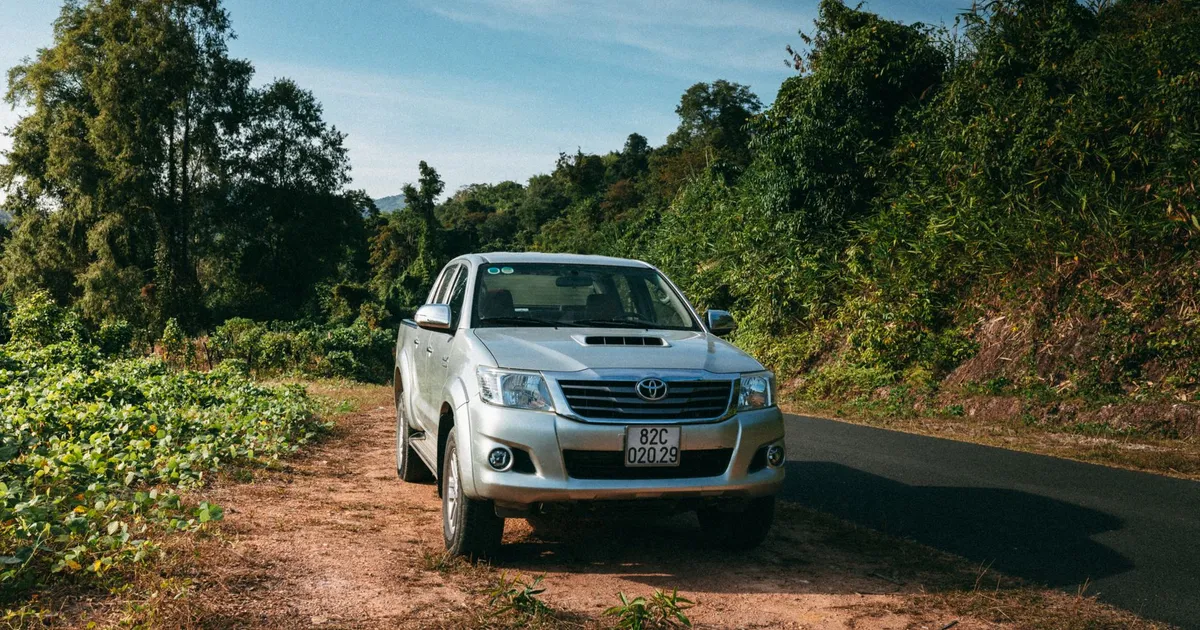
Toyota’s battery-electric Hilux has earned a five-star ANCAP safety rating after undergoing supplementary crash testing designed specifically for electric vehicles. ANCAP didn’t just rubber-stamp the diesel result. It ran additional frontal offset and oblique pole tests to examine battery integrity and electrical safety post-crash, confirming the BEV offers comparable protection to its diesel counterparts.
The scores are solid: 84% adult occupant protection, 89% child occupant, 82% vulnerable road user, and 84% safety assist. All Hilux variants sold in New Zealand now hold five-star ratings except the Rugged X.
ANCAP CEO Carla Hoorweg framed the result in procurement language, not environmental language: “In an increasing market of alternative-powered utes, business and private buyers now have another option that balances their safety needs with their powertrain considerations.”
That phrasing matters. For any fleet manager at a large organisation, a vehicle without a current five-star rating faces institutional resistance before anyone even discusses range or charging. Insurers price it differently. Workplace health and safety officers flag it. Procurement policies at councils, utilities, and construction firms explicitly require five stars. The BEV clearing this hurdle on battery-specific testing removes the most defensible objection in the approval chain.
Diesel costs just rewrote the spreadsheet
The timing is not accidental. Diesel prices rose 42.6% in March 2026 alone, the largest single-month increase since Stats NZ began tracking in 2011. For businesses running fleets of diesel utes, total cost of ownership calculations shifted overnight.
The market is already responding. Business buyers accounted for 58.5% of March 2026 registrations, up from 55.6% a year earlier. This is a fleet-led market making fleet-led decisions. Motor Industry Association chief executive Aimee Wiley noted that “rising fuel costs are influencing buyer behaviour and strong demand has begun to outpace supply, with available stock tightening across parts of the market.”
BYD NZ brand manager Warren Willmot identified something fleet managers should take seriously beyond fuel price: “Most of the retail customers, when I’m talking to them, it’s not about the cost of the gas. It’s about the potential for there to be no gas or for the government to say, hey, you can’t drive your car on these certain days.” Supply security is now a procurement variable, not just price.
What the BEV can and cannot do
Toyota is being unusually honest about the vehicle’s limits, which paradoxically strengthens its case. The Hilux BEV features a 59.2kWh battery with dual-motor AWD producing 144kW. DC fast charging hits 10-80% in 30 minutes. Range sits at 315km for wellside variants and 245km for cab chassis on the NEDC cycle, though real-world figures under towing or in cold conditions will be materially lower. Towing capacity is 2,000kg braked, functional for trades and light commercial work but a constraint for heavy agricultural or construction applications.
Toyota New Zealand Chief Strategic Officer Andrew Davis was blunt: “For customers working in remote areas where recharging isn’t practical, diesel is still the right answer.” The target market is businesses operating fixed routes with depot-return patterns: urban trades, council fleets, infrastructure operators, horticultural businesses.
Pricing starts at $79,990 drive-away for the SR Double Cab Chassis, rising to $85,990 for the SR5. That represents a premium of roughly 26-29% over diesel equivalents, though notably cheaper than the Australian launch price of approximately NZ$90,000 before on-roads.
The Hilux is the market, not just a vehicle in it
This matters because the Hilux is not a niche product. In March 2026 it claimed the top model spot with 1,182 units sold, representing 7.9% of all new light vehicle sales and 76.7% year-on-year growth. Four pickup trucks occupied the top five positions. Light commercial registrations surged 38.9% to 4,847 units in the same month.
Infometrics economist Brad Olsen pointed to the purchasing power behind this: “The primary sector is still doing well. There’s clearly good payout for dairy and meat and horticulture… there’s still a lot of money coming through for the primary sector.” Farmers and rural operators are a core Hilux segment, and they have capital to deploy.
A procurement question, not a culture war
The electric ute conversation in New Zealand has been stuck in identity politics for years. The five-star ANCAP result, combined with a 42.6% diesel price shock and Toyota’s own candour about where this vehicle does and doesn’t work, shifts the frame entirely.
Fleet managers who have been waiting for a defensible reason to put an electric ute on the shortlist now have one that survives a WHS review, an insurance conversation, and a total cost of ownership spreadsheet. The 315km range figure needs honest scrutiny against actual route profiles, and anyone towing heavy loads in remote areas should keep buying diesel. But for the substantial portion of New Zealand’s commercial fleet that operates predictable daily routes and returns to a depot each night, the last credible objection just disappeared.
Sources
- AutoTrader NZ: Electric Hilux, Subaru Trailseeker earn five-star ANCAP ratings (2026-06-03)
- AutoTrader NZ: Toyota Hilux BEV gains five-star ANCAP safety rating (2026-05-21)
- Toyota NZ: First-ever Toyota Hilux BEV set to arrive in New Zealand (2026-05)
- B2B News: Toyota increases NZ EV allocation as BEV sales surge 278% (2026-06-05)
- Best Selling Cars Blog: New Zealand March 2026 (2026-05)
- RNZ: Fuel crisis does little to diminish New Zealanders’ love for utes (2026-06)
- DriveLife: New-generation Hilux pricing revealed (2026-05)