

The prohibited water nobody planned for
Five metres of water doesn’t sound like much. But the gap between Lake Pūkaki’s current minimum operating level of 518 metres and the 513-metre floor Meridian wants to reach contains what the electricity system calls contingent storage, the country’s hydro fuel of last resort. Under the Resource Management Act, drawing the lake below 518m is a prohibited activity. Meridian is now asking a fast-track consenting panel to change that for up to three consecutive winters starting in 2026.
The application, referred to the panel in February 2026, is not a routine consent variation. It would fundamentally shift who controls the deepest reserve in a system where 60 percent of electricity comes from hydro but only 23 percent of that capacity can actually be stored in lakes. Meridian’s own storage equates to just 15 weeks of average generation. When it doesn’t rain, the system falls back on expensive thermal generation and wholesale prices spike. That’s exactly what happened in the 2024 winter crisis, which triggered the current push.
Half a billion in savings, if you believe the generator
Meridian’s case is built on modelling from 2024 claiming that access to contingent storage could power 75,000 homes, reduce wholesale electricity prices by around seven percent, and save wholesale purchasers approximately $500 million a year by displacing thermal fuel costs. Those are advocacy numbers from the applicant, not independent analysis. But the directional logic holds: more stored hydro water means less thermal backup means lower prices.
For energy-intensive businesses, manufacturers, data centres, food processors, irrigators, the difference between a hydro-adequate winter and a dry-year thermal spike is material. The current rules lock away contingent storage behind a trigger that is structurally difficult to meet, arguably making price volatility worse than it needs to be.
The lobbying campaign to get here was substantial. Newsroom reported in August 2025 that in January 2025, then-CEO Neal Barclay wrote to energy minister Simon Watts arguing that the security of supply framework contained “a flaw or error which means that access to contingent storage is permanently blocked.” In August 2025, CEO Mike Roan announced ministerial approval to enter the fast-track process, saying the sector was “well-placed to avoid dry-year risk” so long as the application was approved before winter 2026. That deadline has now passed with the panel still deliberating.
Transpower says the reserve only works if you don’t use it
Transpower has been firmly opposed. In 2024, executive Chantelle Bramley warned that “if contingent hydro storage was used faster than necessary and it did not rain, New Zealand could run out of energy very quickly.” By January 2026, Transpower maintained its position, with BusinessDesk reporting that the grid operator remained firm while Meridian argued rival generators were using the rules to shape wholesale prices.
Transpower’s logic is coherent. Contingent storage is only valuable as a reserve if it stays in reserve. Start drawing it down in response to garden-variety system stress and you erode the buffer that protects against a genuinely catastrophic dry-year scenario.
Environmental opposition is also organised. In 2025, Guardians of Lakes chair Darryl Sycamore said the group would “throw everything we can” at opposing further water demands. In 2024, hydrologist Earl Bardsley estimated that drawing the lake to 513m would expose 35 square kilometres of lakebed.
Spilling water while begging for more
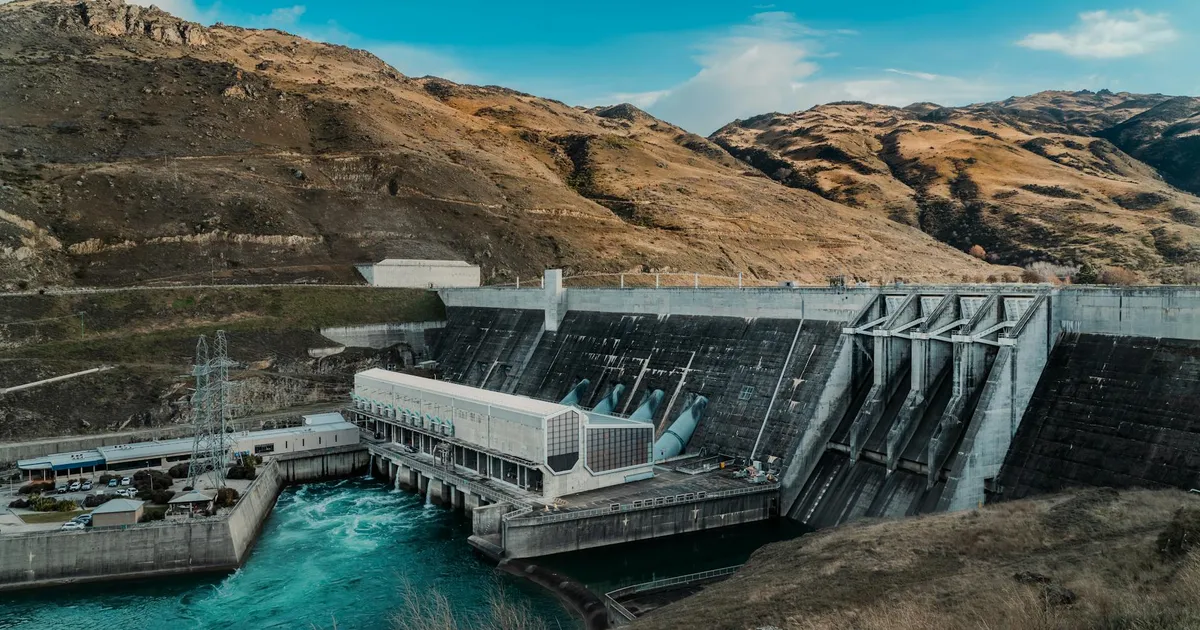
The structural absurdity was on full display in early 2026. The ODT reported in January that Meridian had been spilling water from Pūkaki for more than a month, releasing about 15GWh daily, because the lake was full and the dam’s current configuration limits operations at lower levels. The application bundles operational flexibility with permanent rock armouring works on the dam that can only be completed when levels drop below the current minimum. Infrastructure investment and commercial advantage, packaged in one consent.
Strategy by consent form
The Parliamentary Commissioner for the Environment’s 2026 submission delivers the sharpest critique. The PCE acknowledged the trade-off but argued that “making this trade-off is ultimately political in nature and would best be informed by an energy strategy.”
That is the uncomfortable truth. New Zealand is making a fundamental decision about who controls the fuel of last resort, transferring effective authority from the grid operator to a 51 percent state-owned generator, through a resource consenting process rather than a deliberate policy framework. The country still does not have a national energy strategy.
The panel’s decision will affect wholesale prices, winter power security, and the commercial balance between generators. For businesses exposed to electricity costs, approval would be welcome. But a country that manages its most critical energy reserve one consent application at a time is a country that hasn’t done the harder work of deciding what its electricity system is actually for.
Sources
- RNZ: Dipping into Lake Pūkaki: Locals and experts conflicted over Meridian Energy proposal (2024-08-22)
- Newsroom: Inside Meridian’s powerful backroom campaign for more hydro water (2025-08-29)
- ODT: Increasing lake’s hydro storage ‘essential’ (2026-01-16)
- BusinessDesk: Transpower firm on lake levels as Meridian says rules let rivals shape prices (2026-01-12)
- PCE: Comment on Lake Pūkaki Hydro Storage and Dam Resilience Works Fast-track Application (2026)