

Canada has moved a step closer to becoming a long-term supplier of liquefied natural gas to Europe after reaching an agreement that would send fuel from British Columbia to Germany from the early 2030s.
The deal would allow Germany’s state-owned energy company, Securing Energy for Europe, to buy one million tonnes of LNG a year from the proposed Ksi Lisims project on Canada’s Pacific coast. If the development receives final approval, shipments could continue for as long as 20 years.
Energy Minister Tim Hodgson announced the agreement in Vancouver and described it as “an exciting and important milestone.” The arrangement comes as European countries continue to rebuild their energy networks following Russia’s invasion of Ukraine, while Canada looks for new export markets beyond the United States.
Ottawa has been trying to position Canada as a stable energy partner for allies facing uncertain global supply conditions. Hodgson said the country’s natural resources, political stability, and reputation as a “reliable democracy” made it well placed to play a larger role in international energy security.
The agreement also gives fresh momentum to Ksi Lisims, a major LNG project backed by the Nisga’a Nation, Western LNG, and Rockies LNG. The project has not yet reached a final investment decision, but Hodgson said the German commitment could help secure financing in a matter of months.
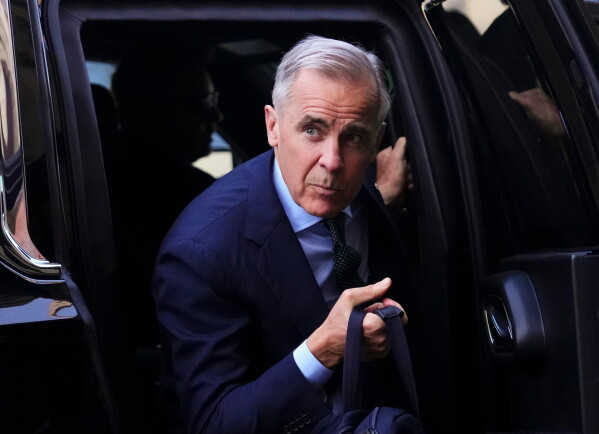
Prime Minister Mark Carney has identified the project as nationally significant, making it eligible for faster federal review. His government has argued that Canada must accelerate strategic infrastructure projects as trade, defence, and energy relationships shift globally.
However, the LNG plan remains controversial. Environmental groups and several Indigenous organisations say the project could deepen Canada’s dependence on fossil fuels and threaten sensitive coastal ecosystems. Some First Nations have also taken legal action against the development.
“Ksi Lisims is not a Canadian export success story waiting to happen,” said Alex Walker of Environmental Defence. “It is a high-risk, legally contested fossil fuel project that has failed for decades to attract capital.”
The issue has also sharpened divisions within Carney’s Liberal Party, with several MPs warning of a retreat from climate commitments. Former environment minister Steven Guilbeault has also said he will leave the caucus this summer, adding to pressure on the government as it tries to balance economic growth with environmental credibility.