

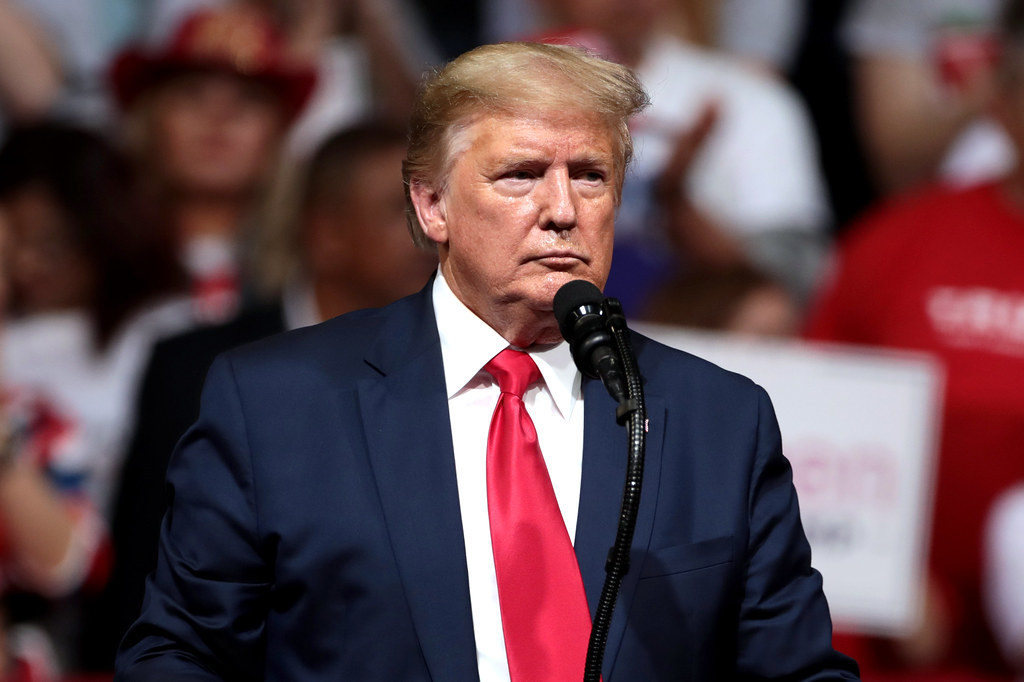
U.S. President Donald Trump has sought to lower expectations of an imminent agreement with Iran, telling American negotiators not to move too quickly as talks continue over a temporary deal aimed at easing tensions in the Middle East.
The proposed arrangement is believed to include a 60-day extension of the ceasefire, the reopening of the Strait of Hormuz, and a framework for further negotiations on Iran’s nuclear programme. Trump said the discussions were “constructive,” but added that “both sides must take their time and get it right.”
His comments came after he said on Saturday that an agreement had been “largely negotiated,” raising expectations that Washington and Tehran could soon announce a breakthrough. Iranian officials have also suggested that progress has been made, although they have been careful not to portray the talks as complete.
Iranian foreign ministry spokesperson Esmail Baghaei said the two sides were “very close and very far” from reaching an agreement, underlining the uncertainty surrounding the negotiations.
The draft proposal is not expected to resolve the wider dispute between the U.S. and Iran. Instead, it would serve as an interim understanding while leaving major issues for future talks, including sanctions relief, frozen Iranian funds, and U.S. demands for tougher limits on Tehran’s nuclear activity.
The possible deal has divided Republicans in Washington. Senator Ted Cruz called it “a disastrous mistake,” while Senator Roger Wicker warned that a 60-day ceasefire would mean “everything accomplished by Operation Epic Fury would be for naught!”
Representative Mike Lawler, however, said the administration had managed to “force the remnants of this regime into a negotiation, a real negotiation.”
The talks follow months of regional instability after the U.S. and Israel launched strikes on Iran on 28 February. Tehran responded with attacks on Israel and U.S.-aligned Gulf states, while its effective closure of the Strait of Hormuz disrupted a vital global energy route and pushed oil prices higher.
Trump has said Iran “must understand” that it cannot develop a nuclear weapon. Tehran denies seeking one, with President Masoud Pezeshkian saying Iran is ready “to assure the world that we are not after a nuclear weapon.”
U.S. Secretary of State Marco Rubio said there had been significant but “not final” progress, while Pakistan’s Deputy Prime Minister Ishaq Dar said the latest talks offered grounds for optimism and that a positive outcome was “within reach.”