

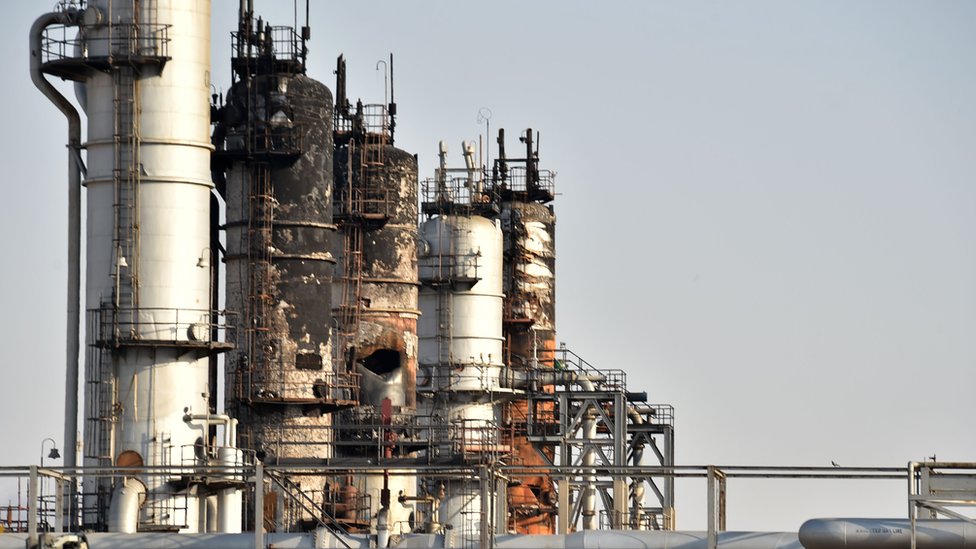
Finance ministers from the Group of Seven nations are meeting in Paris as the prolonged closure of the Strait of Hormuz raises fresh concerns over inflation, energy security, and the resilience of the global economy.
The talks come at a tense moment for advanced economies, with the conflict in the Middle East disrupting one of the world’s most important routes for oil and liquefied natural gas shipments. Any extended blockage of the waterway could further tighten global energy supplies, push fuel prices higher, and complicate the work of central banks that are still trying to bring inflation under control.
Eurogroup President Kyriakos Pierrakakis said restoring access to the strait and ending the conflict were essential to limiting the economic fallout.
“Opening the Strait of Hormuz and bringing the conflict to a lasting end are of the utmost importance in mitigating the impact on the economy,” he said in a statement.
Pierrakakis, who is also Greece’s finance minister, is representing the Eurogroup at the G7 meeting. The Eurogroup brings together finance ministers from countries that use the euro, while the G7 is made up of the United States, the United Kingdom, Canada, France, Germany, Italy, and Japan.
“The European economy has proven resilient in the face of this energy crisis. Yet, the global economy will feel the pressure – even if the conflict is resolved swiftly,” Pierrakakis said.
The disruption has already unsettled financial markets. Investors are demanding higher returns on long-term government debt as they weigh the risk that rising oil and gas prices could keep inflation elevated for longer. Higher bond yields can increase borrowing costs for governments, households, and businesses, putting additional strain on economies already facing weak growth.
In the United States, Treasury yields rose sharply after mixed inflation data added uncertainty over the future path of interest rates. Britain has also seen long-term gilt yields climb to levels not recorded since the late 1990s, reflecting concerns over inflation and political instability.
Japan is particularly vulnerable because of its heavy dependence on imported energy. A sustained rise in fuel prices could add pressure on consumers and companies, while also complicating economic policy decisions in Tokyo.
Oil prices remain elevated as traders assess the scale and duration of the supply disruption. Global inventories are being drawn down quickly to offset lost flows from the region, raising concerns that markets could become even tighter as summer demand rises.
The International Energy Agency has warned that shrinking reserves could leave consumers exposed to further price increases.
“Rapidly shrinking buffers amid continued disruptions, may herald future price spikes ahead,” the IEA said.