

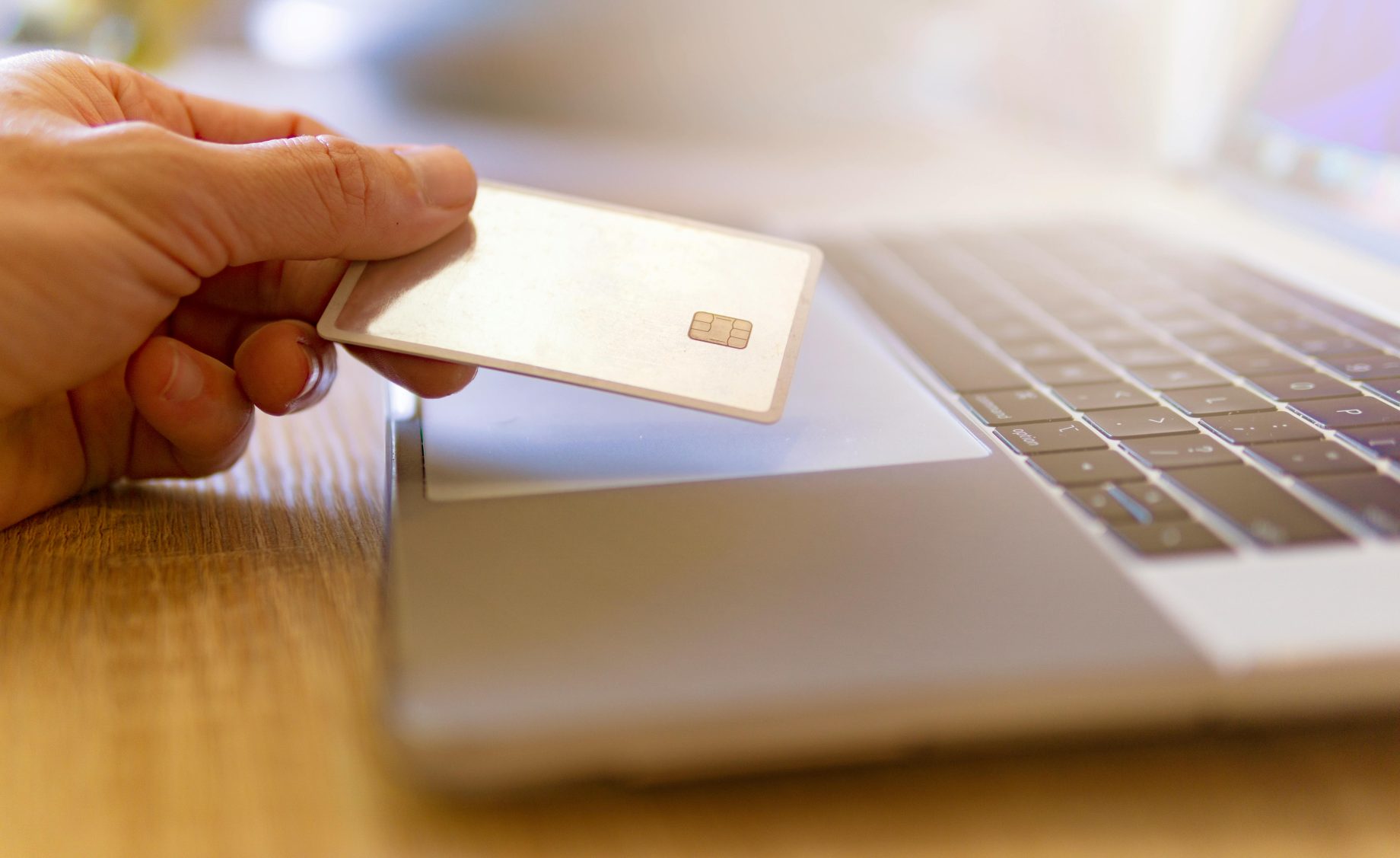
The way New Zealanders pay for goods and services has changed sharply. Data from the Reserve Bank of New Zealand (June 2025) shows that just 6% of everyday transactions are now made in cash, while 94% are conducted electronically.
How New Zealand’s payment habits change in 2026
Crypto Payment Cards
Crypto-enabled payment cards allow users to spend digital assets at traditional merchants by automatically converting cryptocurrency into local currency at the point of sale. The main appeal lies in convenience. Rather than keeping crypto separate from everyday finances, users can spend supported digital assets directly on things like travel bookings, subscriptions, dining, and online shopping, while still managing their funds within a Web3-based ecosystem.
Contactless and Mobile Wallets
Apple Pay and Google Pay, along with bank-issued digital wallets, now allow customers to complete payments in seconds using a smartphone or smartwatch. According to a 2024 survey by Payments NZ, around 15% of New Zealanders prefer mobile wallets for everyday purchases, up from 10% two years earlier.
Buy Now, Pay Later
Buy Now, Pay Later services such as Afterpay, Laybuy, and Zip are now widely available at checkout across New Zealand, both online and in physical stores. These platforms allow shoppers to split purchases into instalments, often interest-free, provided payments are made on time.
Instant Bank Transfers
New Zealand’s banking infrastructure now enables near-instant transfers between accounts, replacing the older system where payments often took overnight or several business days to settle. Many transactions now clear within seconds.
Faster settlement improves cash flow management, reduces administrative follow-up, and gives business owners more immediate and predictable access to revenue, lowering friction in everyday financial transactions.
Taken together, these shifts point toward a payment system that is faster, more flexible, and increasingly embedded in digital platforms rather than physical currency. Cash is likely to continue its decline as contactless, mobile, and instant bank transfers become the default expectation for everyday transactions, while Buy Now, Pay Later and crypto-linked cards add new layers of choice and financial control.
In the years ahead, New Zealand’s payments landscape will likely be defined less by how money is physically moved and more by how it is integrated into apps, devices, and real-time financial systems that prioritise convenience, speed, and accessibility.