

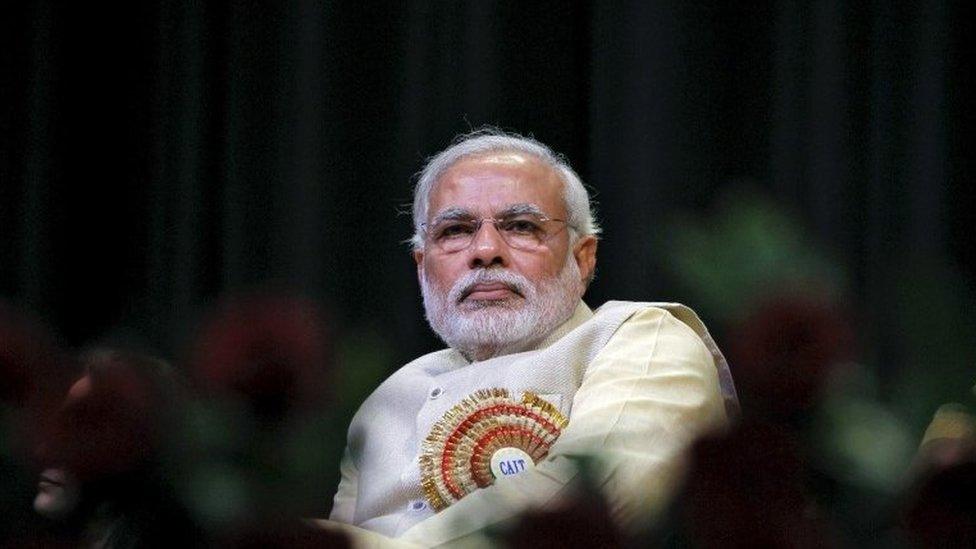
India is watching closely as U.S. President Donald Trump meets Chinese leader Xi Jinping in Beijing, amid growing concern in New Delhi that warmer ties between Washington and Beijing could weaken India’s strategic importance in Asia.
For years, India benefited from increasingly tense relations between the United States and China, with successive American administrations strengthening ties with New Delhi as part of a wider effort to counter Beijing’s influence in the Indo-Pacific. That approach accelerated during Trump’s first term, when trade tensions between the world’s two largest economies escalated sharply and the QUAD alliance involving India, Japan, Australia, and the United States gained momentum.
But analysts say Trump’s second presidency has introduced a more unpredictable dynamic, particularly as Washington attempts to stabilise relations with Beijing while pursuing a more transactional foreign policy.
The latest Trump-Xi summit comes at a delicate moment, with discussions expected to focus on tariffs, technology restrictions, Taiwan, and global supply chains. For India, however, the meeting carries broader geopolitical implications.
Many in New Delhi fear that any significant easing of tensions between Washington and Beijing could reduce India’s leverage as a key U.S. partner in the region. Concerns have also resurfaced over the idea of a “G2” arrangement between the United States and China, a concept that would place the two superpowers at the centre of global decision-making.
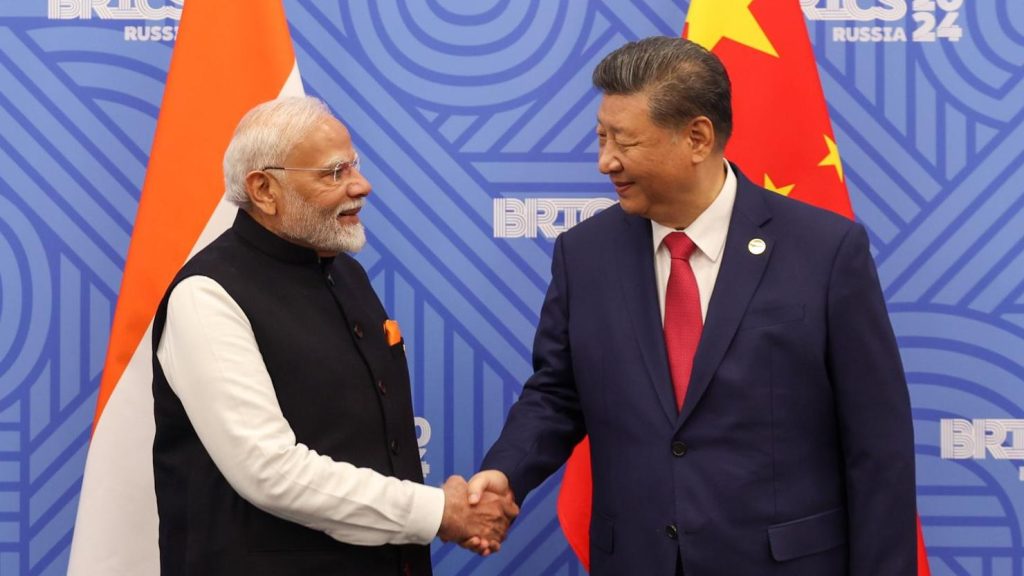
Those anxieties intensified after Trump’s meeting with Xi in Busan last year, where the American president referred to the United States and China as “G2” powers and praised his relationship with the Chinese leader. Xi, meanwhile, called for both nations to become “partners and friends.”
Ronak D. Desai of Stanford University’s Hoover Institution said India would have “reasonable concerns that the United States will treat China as the central negotiating partner in Asia rather than as the central strategic challenge.”
Trade tensions between Washington and New Delhi have added to those concerns. Trump has criticised plans by Apple to expand manufacturing in India, while the United States also imposed penalty tariffs on Indian goods last year over Russian oil purchases.
Despite that strain, India’s rivalry with China remains deeply entrenched because of longstanding border disputes and wider regional competition. Analysts say that reality will keep India aligned with the West, even as New Delhi grows increasingly cautious about the direction of U.S.-China relations.