

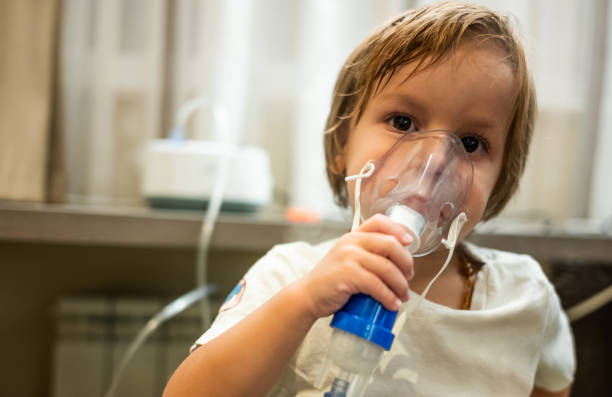
Research from New Zealand has played a key role in shaping a major global shift in asthma care. The updated approach to managing childhood asthma is expected to help reduce flare-ups and save lives around the world.
The Asthma and Respiratory Foundation NZ has welcomed the latest update from the Global Initiative for Asthma released on Wednesday, saying it represents an important change in how mild asthma is treated in children aged 6–11.
For the first time, the guidance recommends that children should follow the same treatment approach as adults—a change that experts say could reduce the number of asthma attacks.
The change is partly based on findings from the CARE study, led by the Medical Research Institute of New Zealand (MRINZ) and Professor Richard Beasley, who sits on the Foundation’s Respiratory Advisory Board.
The research showed that using a single 2-in-1 combination inhaler, containing both an anti-inflammatory and a reliever, cut asthma attacks in children by an average of 45%, compared with the commonly used reliever-only inhaler.
“This is a significant and very welcome change that will improve the way asthma is managed for children both here in New Zealand and around the world,” Asthma and Respiratory Foundation NZ Chief Executive Letitia Harding said.
“For too long, many children with mild asthma have relied on reliever-only inhalers that treat symptoms but not the underlying inflammation.”
For Asthma and Respiratory Foundation NZ Medical Director Professor Bob Hancox, the New Zealand evidence underpinning the update is a key driver behind the change.
“The latest research shows that anti-inflammatory reliever (AIR) therapy works not only for adults and adolescents but for children too, making treatment easier and more effective.
“The evidence means that we can start most children on the best treatment straight away, without the need to change inhalers as they grow older.”