

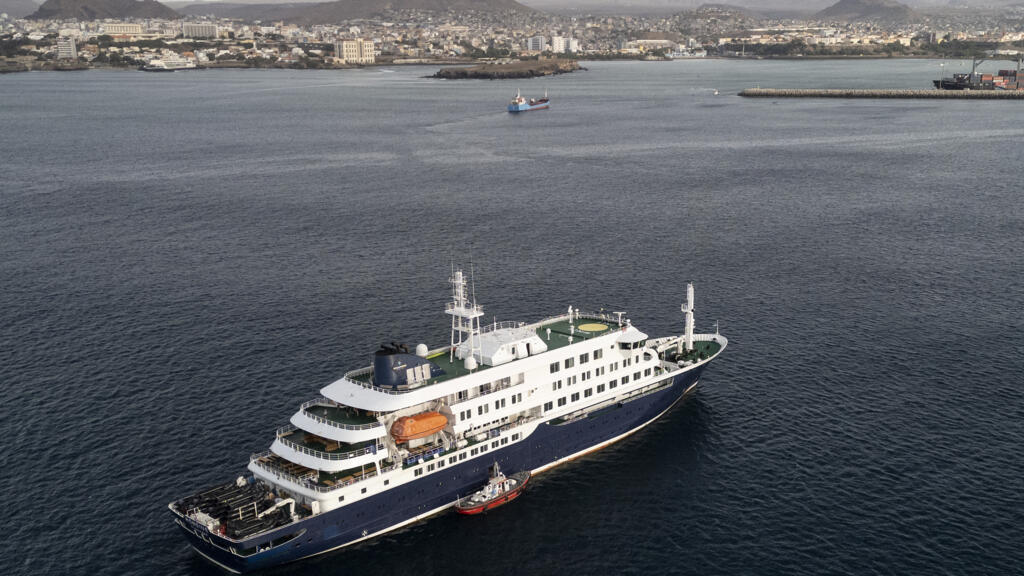
Argentine health officials are leading a global effort to trace a deadly hantavirus outbreak on the MV Hondius, an expedition ship that departed Ushuaia for Antarctica on 1 April 2026 with nearly 150 passengers and crew.
As some travellers return home, including to the United States, fears grow that the Andes virus strain, prevalent in southern South America, may have originated in the region.
The virus causes hantavirus pulmonary syndrome, a life-threatening lung illness with a near 30% fatality rate in recent Argentine cases. The country has recorded 101 infections since June 2025, almost double last year’s total, according to the health ministry. Experts say infections typically arise from inhaling aerosols of rodent urine, droppings, or saliva, though limited human-to-human spread occurs with this variant.
Tragedy has claimed three lives: a 70-year-old Dutch man on 11 April, his 69-year-old wife after collapsing at Johannesburg airport on 26 April, and a German woman on 2 May. One patient is in intensive care in South Africa, while three others, including British expedition guide Martin Anstee, 56, a former police officer, the ship’s Dutch doctor, and a German passenger, were airlifted on Wednesday.
Twenty-three passengers who left the ship at Saint Helena on 23 April have returned home; Americans among them are under surveillance in Georgia, California, and Arizona but show no symptoms. An anonymous passenger told El País, “There are 23 people wandering around there, and until three days ago, no one had contacted them.”
Argentina is supplying virus samples and tests to Spain, Senegal, South Africa, the Netherlands, and the UK, while mapping pre-boarding itineraries like those of the Dutch couple through Ushuaia, Uruguay, and Chile. The one-to-eight-week incubation period leaves open whether exposure happened ashore, at a South Atlantic stop, or onboard.
The vessel, paused off Cape Verde for evacuations, now heads to the Canary Islands amid local concerns. WHO chief Tedros Adhanom Ghebreyesus said monitoring is underway and the public risk remains low.
Climate change exacerbates the threat, experts warn, as warmer weather boosts rodent populations. Infectious disease specialist Hugo Pizzi noted, “Argentina has become more tropical because of climate change, and that has brought disruptions, like dengue and yellow fever, but also new tropical plants that produce seeds for mice to proliferate. There is no doubt that as time goes by, the hantavirus is spreading more and more.”