

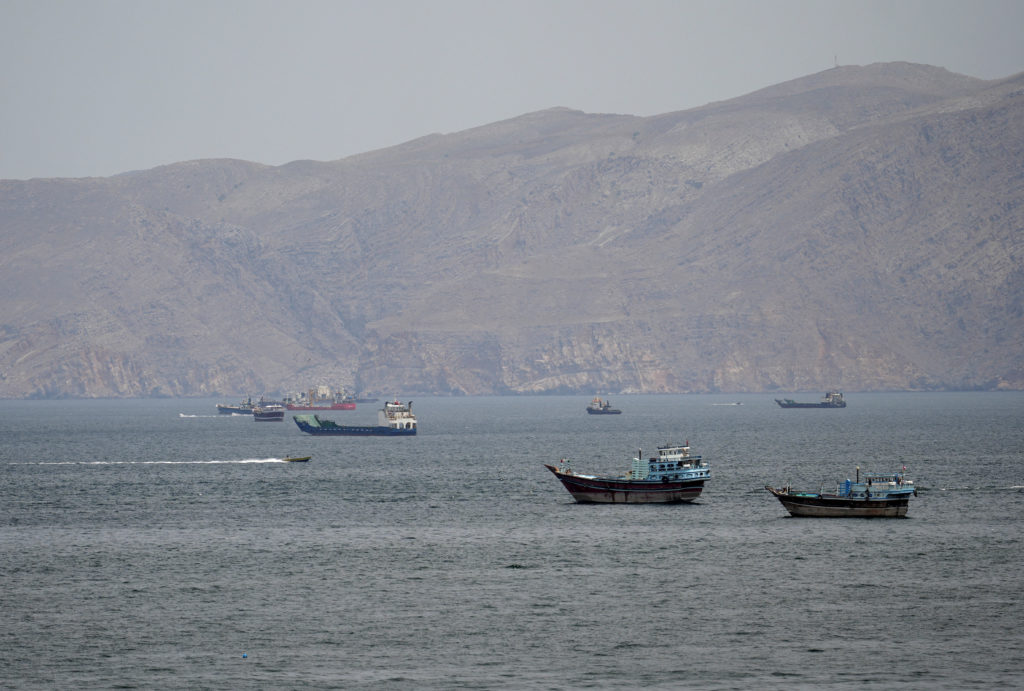
The United States has cautioned international shipping firms that paying Iran for safe passage through the Strait of Hormuz could trigger sanctions, intensifying the economic pressures of the ongoing conflict.
In a Friday advisory, the Treasury’s Office of Foreign Assets Control stressed that U.S. entities face bans on such payments to Iranian bodies, while foreign companies risk penalties too.
“Maritime industry participants involved with vessels calling at Iranian ports face significant sanctions risk under multiple sanctions authorities targeting Iran’s shipping sector and ports,” the agency said.
Iran began restricting strait traffic after war erupted in February and now demands fees for navigation, with deputy parliamentary speaker Hamidreza Haji Bababei stating last week that initial collections reached the central bank. Details on sums or methods remain scarce, unverified by independent sources like the BBC.
Transactions might encompass cash, digital assets, offsets, informal swaps or other forms, including embassy dealings, OFAC noted, potentially drawing legal heat on U.S.-linked insurers or banks.
The Treasury simultaneously targeted three Iranian forex houses for laundering oil funds. Secretary Scott Bessent vowed to relentlessly target the regime’s ability to generate, move and repatriate funds, and pursue anyone enabling Tehran’s attempts to evade sanctions.
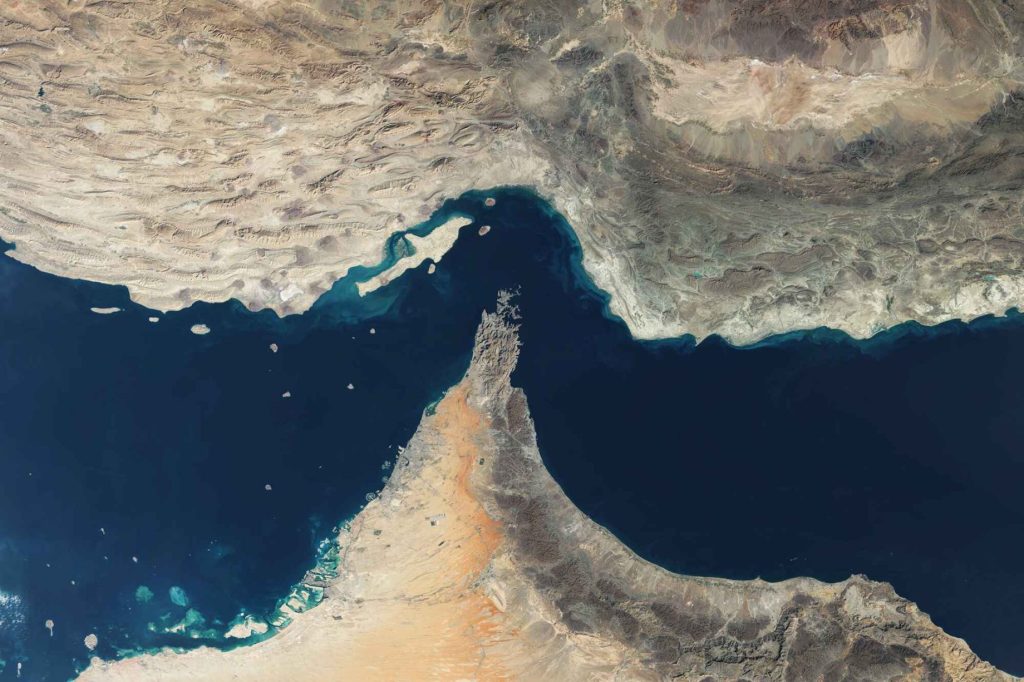
Iran’s oil exports have plunged 40 per cent year on year, per Reuters, hit by a U.S. blockade since 13 April that has diverted 45 merchant ships. The strait, vital for one-fifth of global oil, sees traffic dwindle from 3,000 vessels monthly to a few daily.
An 8 April ceasefire holds tenuously amid stalled talks. UNHCR warned disrupted routes are doubling aid costs to places like Sudan, with longer paths risking further humanitarian strains.
Brent crude neared $95 a barrel Friday, up 15 per cent since the blockade.