

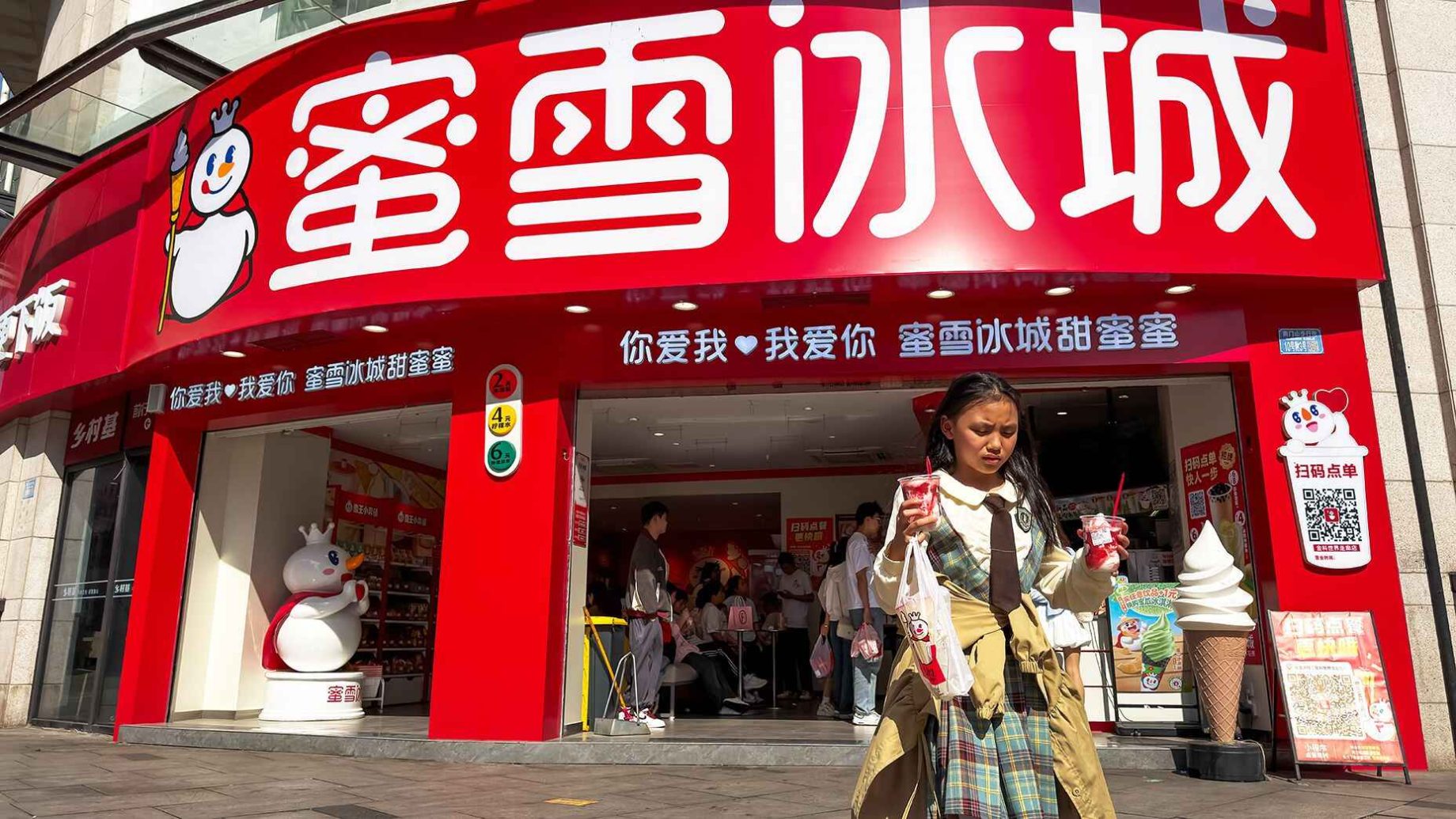
Chinese brands are transforming high streets around the world with everything from bubble tea to electric vehicles and sportswear. In shopping centres stretching from Manila to Manchester, spots like Mixue and Chagee draw huge crowds for their affordable, Instagram-ready drinks, frequently surpassing established Western rivals.
This wave signals China’s shift from low-end manufacturing to crafting globally recognised labels. Bolstered by its vast 1.4 billion consumer base, these companies bring formidable scale and expertise. Intense domestic competition and economic pressures, however, make overseas expansion vital, despite lingering doubts about “Made in China” quality.
“China has moved beyond a replication economy,” notes Tim Parkinson of consultancy Storytellers China. “Its products now meet the expectations of a new generation of demanding global consumers.”
Miniso illustrates this mastery, stocking Disney and Marvel merchandise across 6,000 stores in over 100 countries. “Consumers aren’t particularly concerned about where the brand comes from,” says Vincent Huang, its overseas markets general manager. “They’re more focused on the shopping experience, the designs, value for money, and enjoyment.”
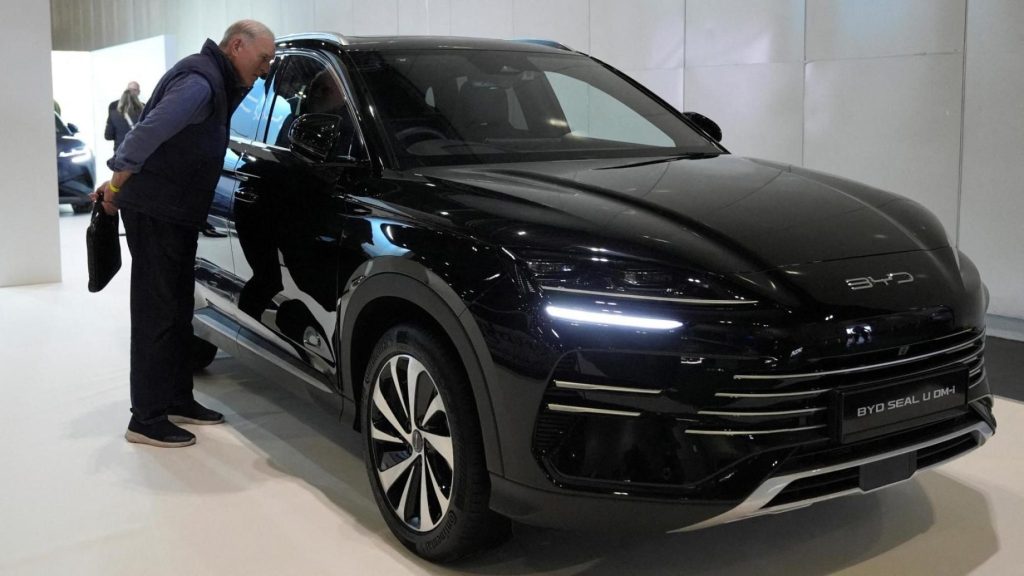
Sportswear titan Anta, with 14,000 global outlets, ranks third behind Nike and Adidas after acquiring Salomon, Wilson, and a stake in Puma. BYD overtook Tesla as the top EV maker, selling 4.3 million units in 2025 thanks to innovative batteries and rapid chargers, though EU tariffs of 45 per cent highlight tensions over subsidies.
South East Asia serves as a key testing ground, its young, affluent 670 million consumers mirroring Chinese tastes. Haidilao grew from a 2012 Singapore launch to 1,400 restaurants worldwide, adapting with halal options in Indonesia. “Haidilao’s story is not just a restaurant success,” says vice chairman Zhou Zhaocheng. “It reflects China’s 30 years of economic transformation and internationalisation.”
Mixue now boasts 45,000 stores, topping Starbucks, while Pop Mart’s Labubu toys saw U.S. sales rocket 900 per cent since 2024. Domestic woes like a 4.5 per cent GDP growth and falling birth rates fuel this “chuhai” push; Luckin Coffee quadrupled Starbucks in China outlets.
Perceptions evolve, with brands like BYD blending quality and storytelling, per expert Foo Siew-Ting. Geopolitical hurdles remain, but Chinese firms increasingly lead trends by localising smartly and outpacing giants.