

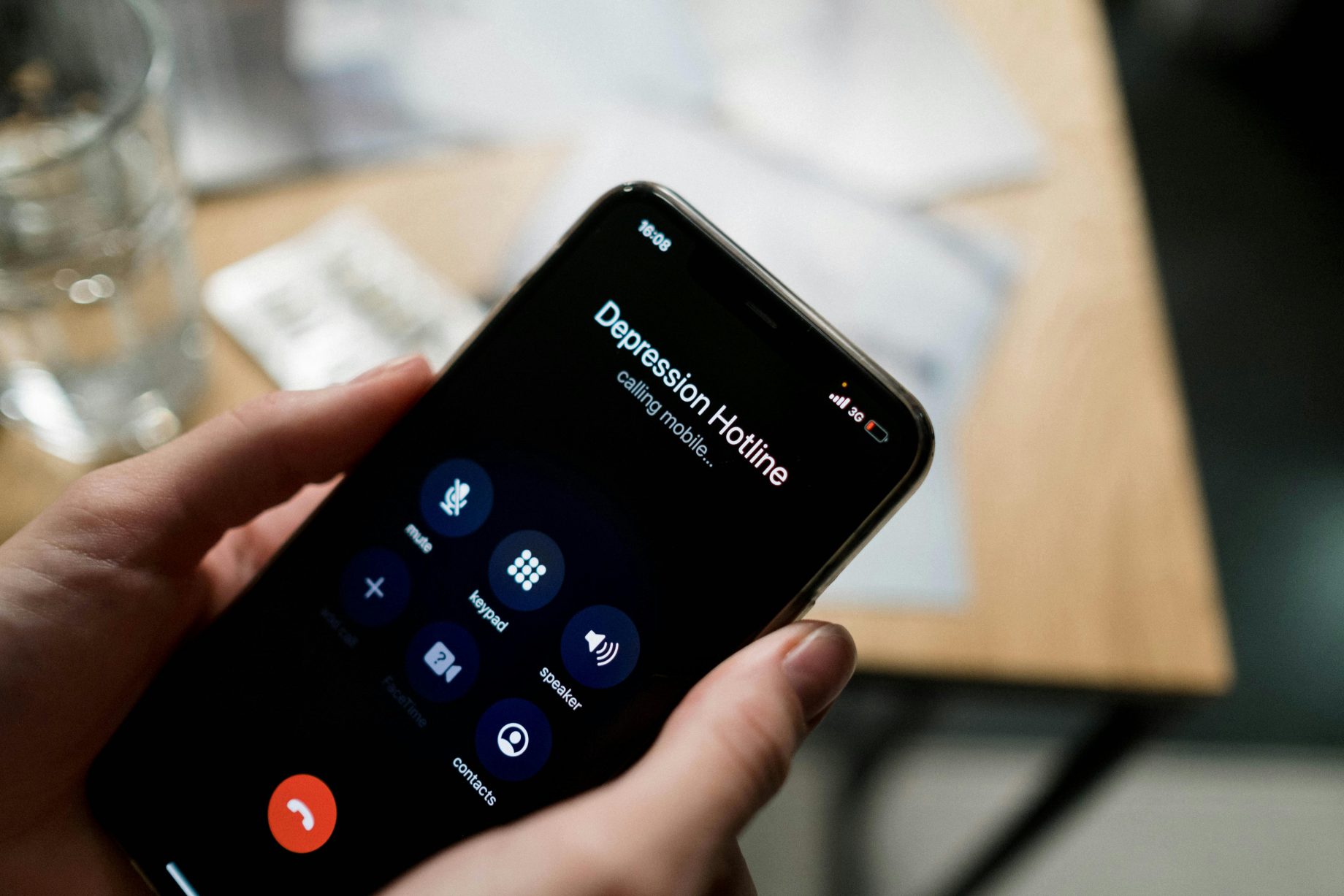
Psychologists highlight how global instability and rising costs are placing additional pressure on individuals, with clients reporting increased stress and vicarious trauma in response to the Iran war.
“If you’re stressed out about things in life, then this feels like an additional burden and has possibly a cumulative effect on people’s stress levels and wellbeing,” Psychologist Dougal Sutherland said.
Sutherland pointed to the role of modern technology in amplifying these effects. He said constant exposure to global events can heighten stress levels.
“We can be personally impacted now by events that seem very far away geographically,” he said.
“One of the downsides of living in a hyper-connected world is that we can be highly influenced by events that are on the other side of the world, but they do have a pretty direct impact on us.”
“We’re in this hyper-connected world, where it’s easier for us to see things, whether it’s on social media or on the news.”
Dr Rebecca Wirihana, president of the New Zealand Psychological Society, said more people are reaching out for mental health support lately—especially those from diaspora communities affected by the conflict.
”We are seeing cases of vicarious trauma… for whānau who are impacted here, who are experiencing trauma in the context of their own families on their own whenua from a distance,” she said.
“What often happens in those situations is that people experience symptoms of trauma without actually having experienced the trauma directly.”
“That doesn’t mean it’s any less impactful, and it has been reportedly and significantly distressing for some of our communities.”
Global conflict creeps into everyday concerns
Lifeline reported no specific increase in calls relating solely to the Iran war, though the topic was coming up more frequently in conversations.
Samaritans New Zealand chair Greg Dearsly said callers were often already dealing with anxiety or depression and that high-profile global events can further aggravate those conditions.
“Circumstances that are beyond their control can serve to increase that anxiety,” he said. “For people who have got anxiety, if you’ve got stuff that is high profile in the media, then that’s just a trigger for increasing their anxiety or depression.”
Meanwhile, Sutherland warned that excessive focus on issues such as war, government policies, and fuel prices can drain people’s mental energy without offering practical solutions.
He said it can really help to take 20–30 minutes to sit down and focus on what’s worrying you—write out what’s bothering you, then sort through what you can actually influence and what’s within your control.
“You almost get a shopping list around what components of this can you exert any control over at all,” he added.
Sutherland said doing this can help people feel a bit more in control, which often leads to feeling less anxious overall.