

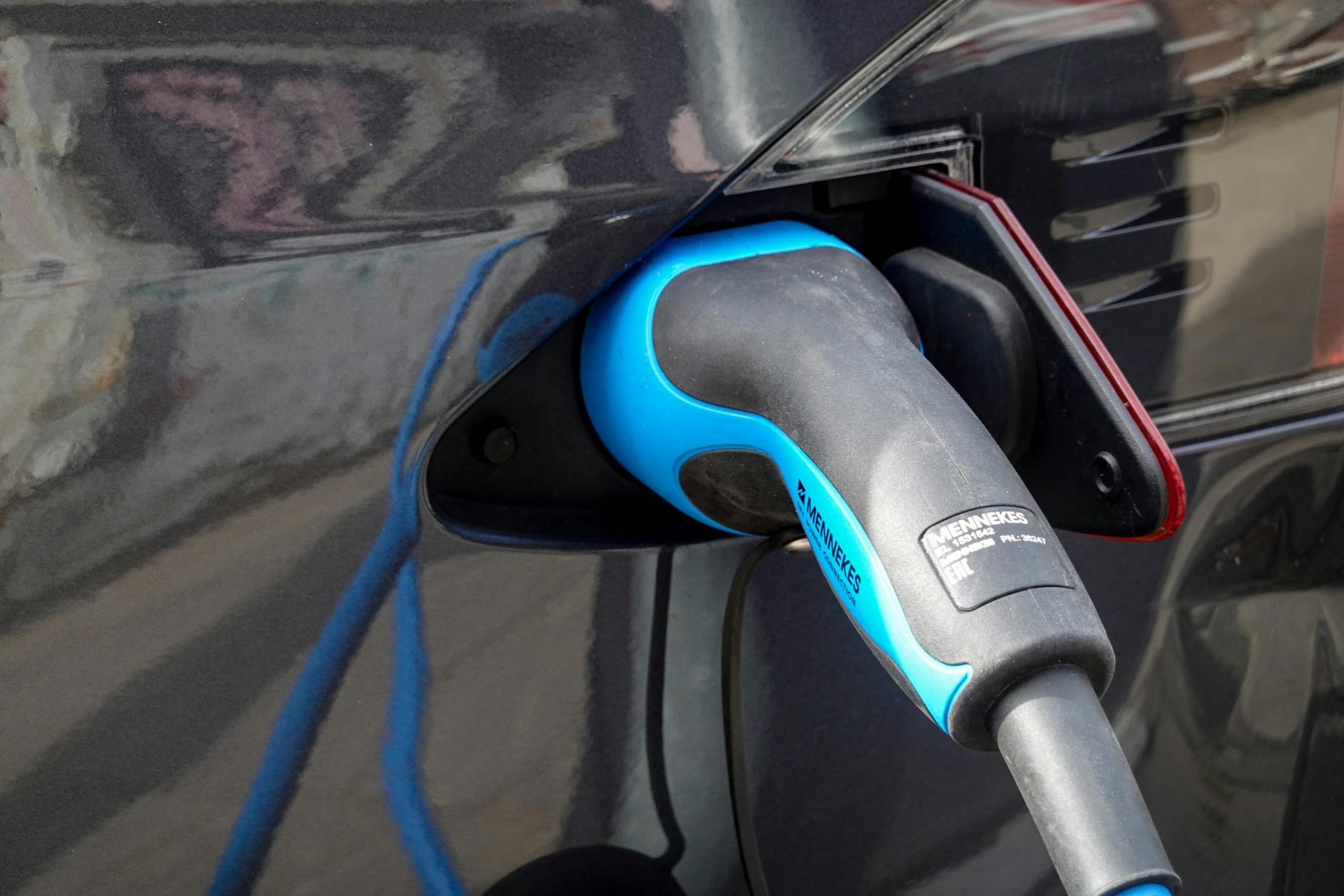
New Zealand appears to be reaching what industry leaders describe as a “tipping point,” as more Kiwis turn to electric vehicles and solar solutions, driven in part by rising oil prices that are increasing costs across the country. Meridian Energy reports its weekly app registrations have surged by 214%, highlighting the scale of the shift now underway.
Data from Waka Kotahi shows that monthly registrations of full battery EVs last month jumped nearly fourfold, rising from an average of 800 per month over the past two years to 3,100. Registrations of plug-in hybrid vehicles also almost tripled.
Meridian’s head of energy, Richard Sanford, pointed to a sharp surge in momentum over just the past four weeks.
“The last month has definitely seen a boost in interest towards EVs and home solar,” he said.
“It does feel like a tipping point, as more and more Kiwis see how moving away from a reliance on fossil fuels – where they can – would make financial sense.”
He added that Meridian has long believed in the role EVs could play in strengthening the country’s energy resilience and was encouraged by the growing uptake.
The shift is not uniform nationwide, with some regions pulling ahead. Across Meridian’s Zero charging network, users increased by 16% and sessions rose by 20% over the past month. The busiest charging stations are located at Auckland Airport, Twizel, and Culverden.
New Zealand currently has just over 1800 public charge points, with more planned. In March, Transport Minister Chris Bishop and Energy and Climate Change Minister Simon Watts announced a major expansion: EV public chargers will more than double, backed by $52.7 million in zero-interest government loans alongside co-investment from ChargeNet and Meridian.
Officials acknowledge that New Zealand still has one of the lowest charger-to-EV ratios in the OECD. This underlines the need for rapid infrastructure growth to keep pace with adoption.
With the new investment, the national total is expected to reach around 4550 charge points.