

India’s red-hot economy faces a rude awakening from Middle East turmoil that’s sending shockwaves through global oil markets.
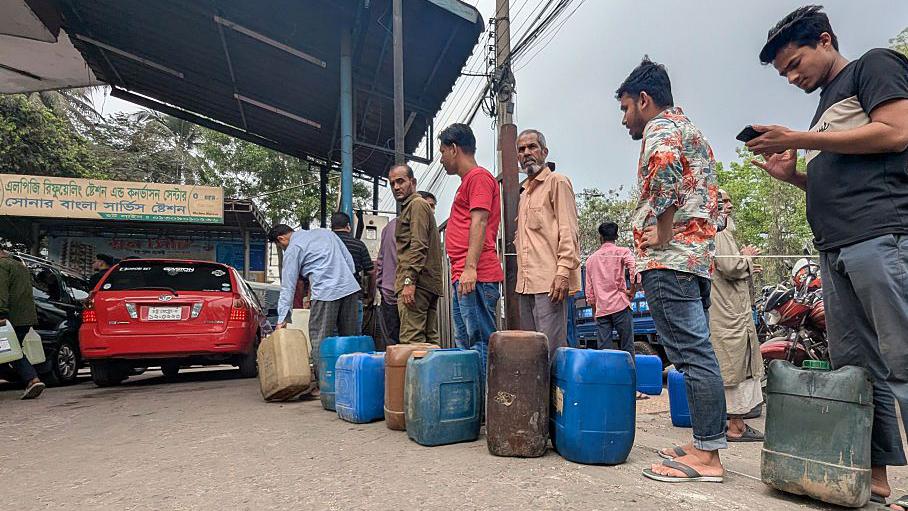
Only recently, the Reserve Bank of India hailed the nation’s blend of brisk growth and steady prices as a “Goldilocks” moment. But that cheer has evaporated as conflict disrupts supplies, hammering the rupee to record lows—down nearly 10% against the dollar in a year.
Central bank interventions have bought temporary relief, yet analysts at HSBC and Bernstein foresee deeper slides, potentially past 110 per dollar if hostilities drag into late 2026. The fallout is brutal: soaring import costs fuel inflation, squeeze corporate profits, balloon deficits, and scare off stock investors. India’s benchmarks have tumbled 12% this year amid $15 billion foreign outflows, dimming the wealth-driven spending spree among the rich.
The finance ministry warns of a significant blow from pricier logistics and fading remittances from 10 million Gulf expats, fuelling “supply constraints, and pressures across sectors, with early indications of some moderation in economic activity.” GDP forecasts, once at 7% for 2026-27, now hover at 6% per Goldman Sachs, pushing back dreams of overtaking Japan as the world’s fourth-largest economy.
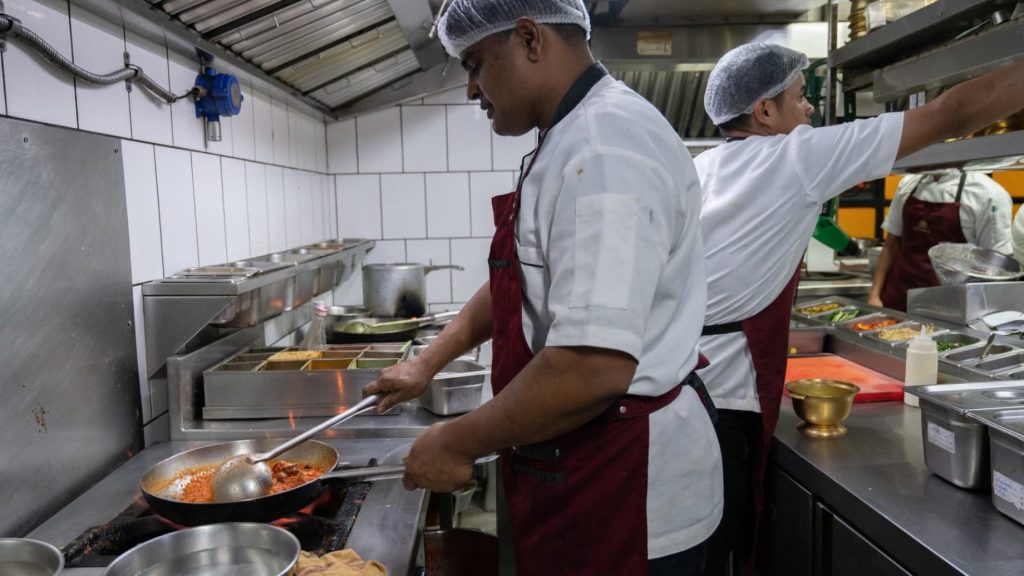
As the third-biggest crude importer, India draws 85% of its oil, 60% of gas, and most LPG from the region—a vulnerability laid bare. Fertiliser shortfalls threaten farms amid El Niño risks. Capital Economics’ Shilan Shah and Mark Williams note outright shortages have shuttered eateries and factories, even disrupting ceramics and funerals.
Former adviser Arvind Subramanian warns of a stagflationary shock of pretty large magnitude. “The stag part of the stagflation is already being felt in terms of restaurants closing down and households having less natural gas,” he told India Today TV. Migrant returns from Mumbai evoke lockdown scars, risking wage hikes.
Delhi counters with a $6.2 billion stabilisation fund and fuel subsidies, though Bernstein deems them modest. RBI will likely hold rates steady Thursday, embracing a wait and watch approach to assess risks, says Care Edge Ratings.
A weaker rupee may boost exports, and hefty reserves provide a buffer—but like past crises, this demands urgent diversification and green energy acceleration.