

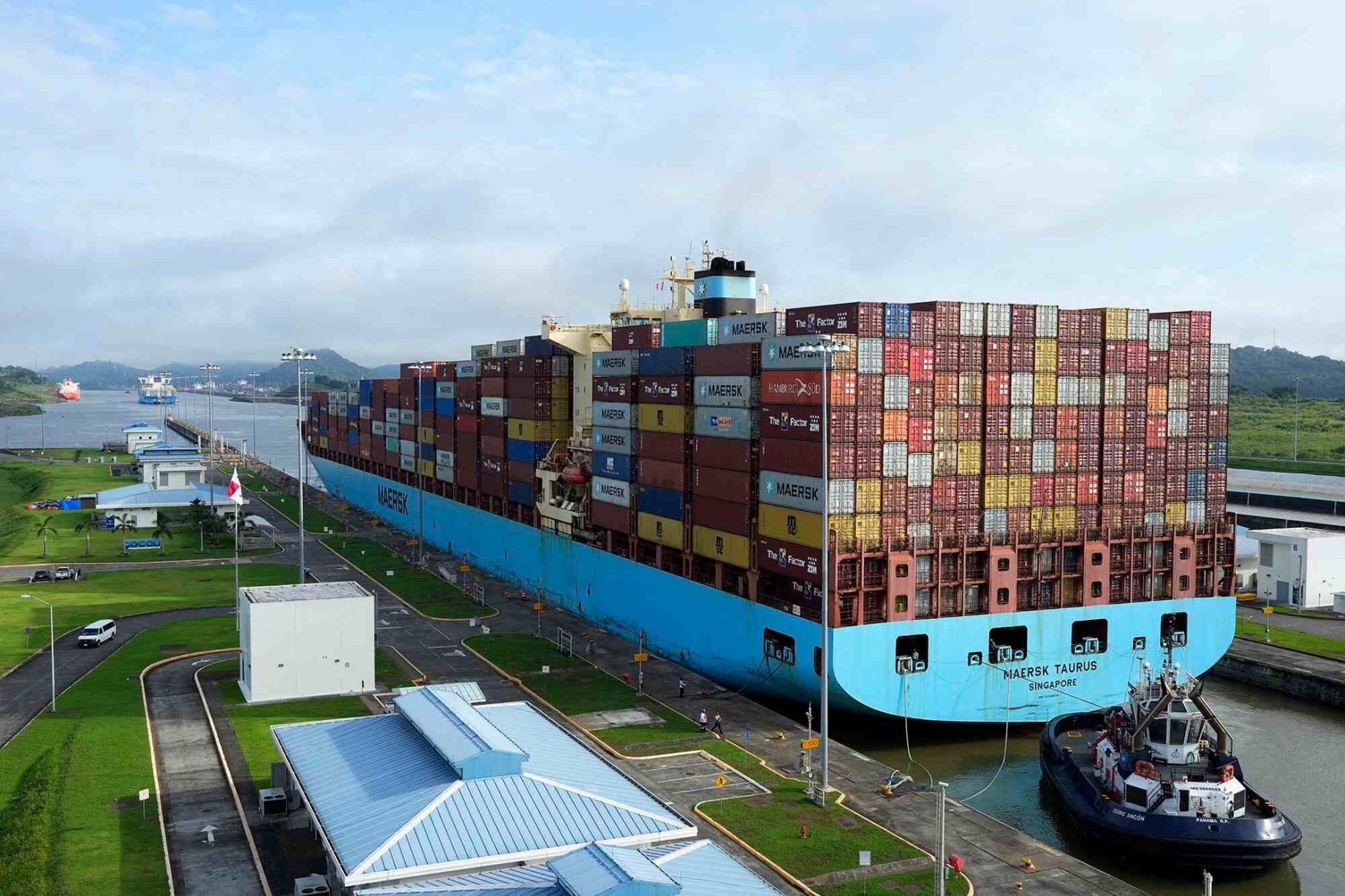
A month into the war in Iran, an initial crude oil crunch is spiralling into widespread scarcities that threaten everyday goods from noodles to medical gloves.
The Strait of Hormuz blockade has slashed global oil flows by around a fifth, driving Asian fuel prices up 40 to 60% according to Bloomberg’s 4 April report. Yet the deeper damage stems from petrochemical shortfalls.
Naphtha, vital for plastics production, is in crisis with a 25% global deficit and Asian prices surging 62% since February, ICIS data reveals. Asia, which manufactures over half the world’s products, depends heavily on Middle Eastern supplies.
Panic buying of bin bags grips South Korea, where officials urge less use of disposables at events. Taiwanese rice farmers warn of price hikes without vacuum packaging, while Japanese hospitals fear dialysis disruptions from missing plastic tubes. Malaysian glove makers signal risks to worldwide supplies.
“This spills into everything very, very quickly: beer, noodles, chips, toys, cosmetics,” said Dan Martin, co-head of business intelligence at Dezan Shira & Associates, which advises firms expanding in Asia. Petroleum derivatives fuel adhesives for shoes, machine lubricants and paint solvents, all now harder to source.
“It’s very fast transmission from oil and shipping disruption into petrochemicals and consumer goods,” he added.
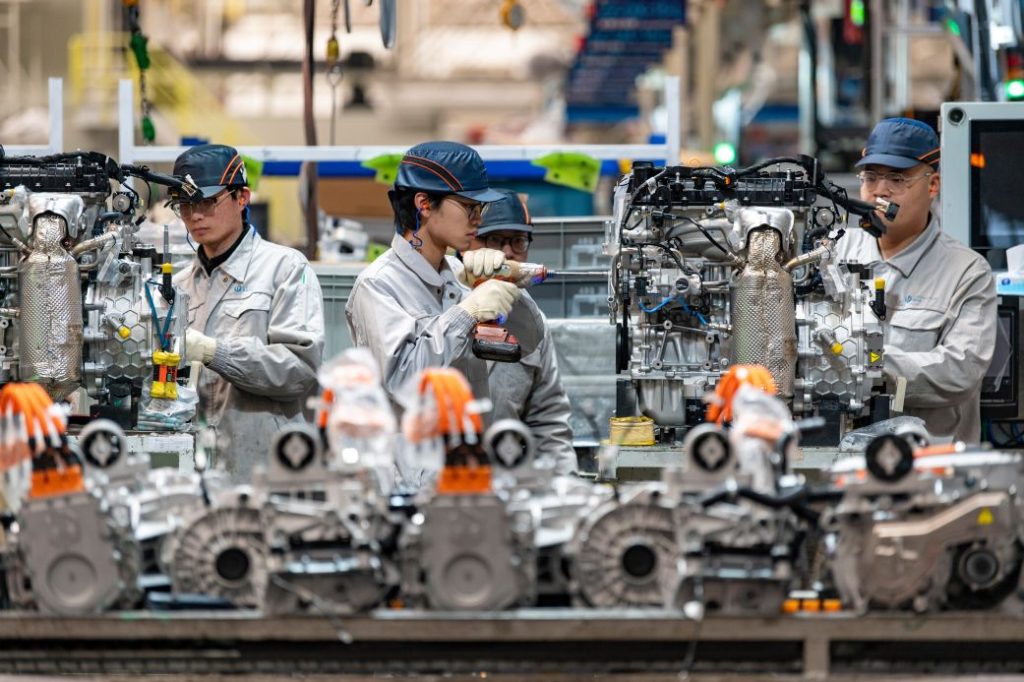
The IMF warned on 7 April of complex spillovers amid fragile economies, leading to higher prices and slower growth. Factory costs have jumped 30-50%, eroding profits and pushing up consumer bills. Helium and fertiliser shortages from the region could spike food and tech prices further.
Nations tap reserves, but naphtha stocks dwindle fast. South Korea grabs Russian supplies and curbs exports. Plastic resins hit records, up 59% in Asia; noodle packaging lasts a month at best.
Shariene Goh, ICIS petrochemical analyst, predicts swift shortages for heavily packaged items like cosmetics. “The end-products segment might leverage their inventory levels, which might deplete over time,” she said. “I would think that they might start to run out pretty soon.”
Producers pivot to thinner packaging or pricier alternatives, but relief feels distant. “If everything returns to normal in the Strait of Hormuz tomorrow, I think it’s still several months at least until there’s a semblance of normalcy for the plastic sector in Asia,” said Stephen Moore of plastics data firm MLT Analytics.
JP Morgan likens it to a rolling COVID-style shock moving west. Asia has shifted from price fears to pure scarcity.