

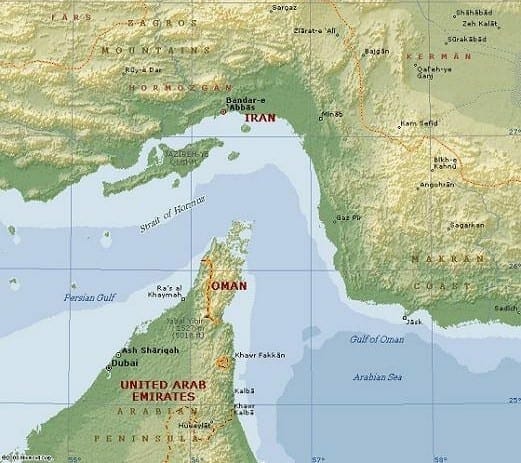
New Zealand has aligned itself with a UK-led diplomatic push to reopen the Strait of Hormuz, as the economic fallout from the ongoing disruption becomes increasingly difficult to ignore. Foreign Minister Winston Peters’ office made it clear the shutdown is directly hurting New Zealand’s economy and driving up fuel prices.
The meeting, hosted by Britain and attended by representatives from about 40 countries, concluded with a firm call for the “immediate and unconditional” reopening of the strait. Despite the strong rhetoric, the talks produced no breakthrough.
New Zealand was represented by High Commissioner to the UK Hamish Cooper. Peters’ office described the discussions as an opportunity to explore “diplomatic and political options” to restore freedom of navigation and ensure the movement of vital goods through one of the world’s most critical trade routes. It pointed to what it called “strong international agreement on the urgent need” to reopen the passage, even as concrete results remained elusive.
Participating nations discussed possible coordinated responses, including increased diplomatic pressure through the United Nations, sanctions, and military planning focused on defensive measures such as de-mining. However, there remains no consensus on the use of force.
The Gulf Cooperation Council has called for the UN Security Council to authorise force to secure the waterway, while Bahrain has put forward a resolution allowing states to use “all necessary means” to guarantee safe passage.
That proposal is already facing resistance from Russia, China, and France. French President Emmanuel Macron dismissed the prospect of a military operation to reopen the strait as “unrealistic.”