


Amid the intensifying Iran conflict, reports suggest President Donald Trump is weighing an audacious U.S. military operation: commandos raiding deep underground bunkers to capture Tehran’s stockpile of near-weapons-grade uranium, aiming to dismantle its nuclear threat once and for all.
Military experts and former Pentagon officials warn the BBC that this would rank among the most perilous missions imaginable, requiring ground troops to hold positions for days or weeks amid fierce resistance and technical nightmares.
Mick Mulroy, ex-deputy assistant secretary of defence for the Middle East, described it as “the most complicated special operations in history.”
Such a raid forms one strand of potential actions, alongside seizing Kharg Island to pressure Iran into reopening the Strait of Hormuz or using strike threats to force talks. In a Tuesday call with CBS News, the BBC’s U.S. partner, Trump sidestepped whether victory hinges on neutralising the uranium, noting last June’s U.S.-Israeli strikes had buried it deeply.
“That’s so deeply buried it’s gonna be very hard for anybody,” Trump said. “It’s down there deep. So it’s pretty safe. But, you know, we’ll make a determination.”
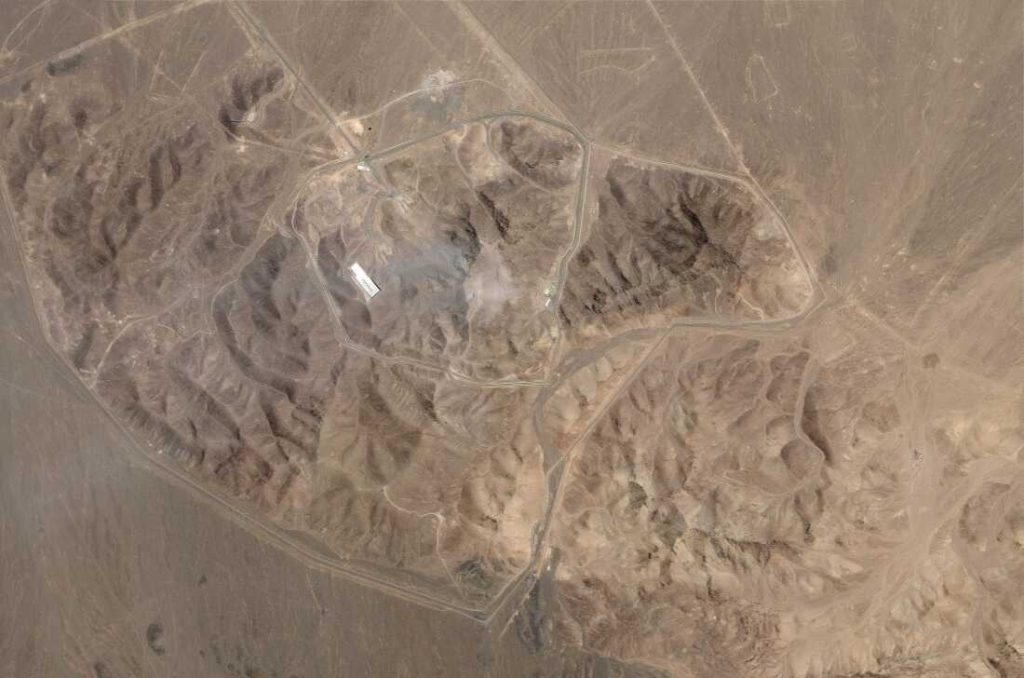
A Wall Street Journal report sparked the debate, though the White House says no final call yet. Iran held 440kg of 60 per cent enriched uranium at war’s start—near bomb-grade—plus lower stocks at sites like Isfahan, Fordo, and Natanz, hit in 2025’s Operation Midnight Hammer.
IAEA chief Rafael Grossi confirmed Isfahan’s dominance but noted inspection gaps. “There are many questions that we will only elucidate when we are able to go back,” he said.
Fortified tunnels and rubble demand excavation under fire, per Jason Campbell, a defence veteran. “You’ve first got to excavate the site and detect [the enriched uranium] while likely being under near constant threat,” Campbell said.
The 82nd Airborne could secure perimeters, but isolation inland poses evacuation risks, warns Alex Plitsas. “It makes [medical evacuations] difficult given the distances. It makes [U.S. troops] vulnerable to anti-aircraft fire coming in and out, as well as attacks while they’re at the nuclear facility,” he added.
Exporting the half-tonne haul beats on-site dilution, says Jonathan Ruhe of the Jewish Institute for National Security of America. “You’ve got basically a half ton of what’s effectively weapons grade uranium that you’ve got to extricate,” he said. “And there are a million things that could go wrong.”