

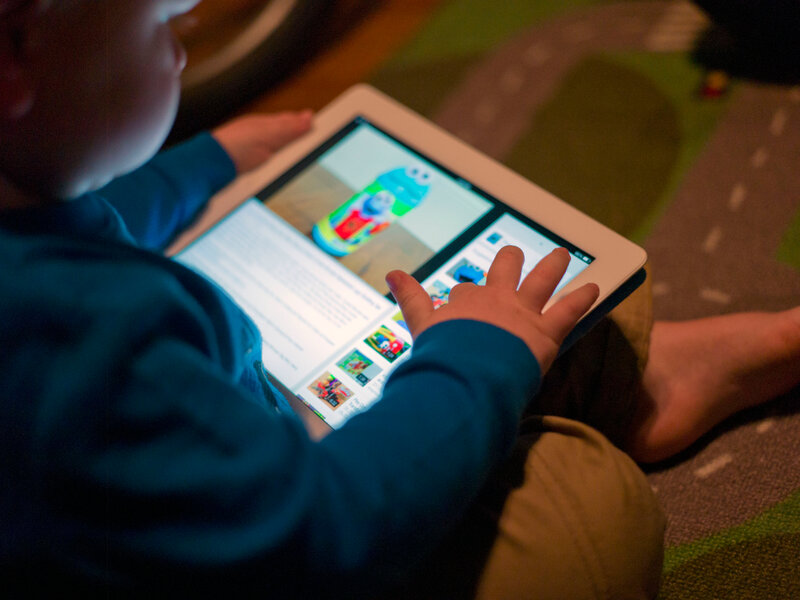
UK officials have introduced pioneering guidelines to protect toddlers from digital overload, recommending no more than one hour of screen time daily for children under five and no solo viewing for those under two.
Backed by reviews from England’s Children’s Commissioner Dame Rachel de Souza and UCL Professor Russell Viner, the advice warns that excessive unsupervised exposure disrupts sleep, physical activity, and emotional development—echoing WHO recommendations for minimal recreational use in this age group.
Hosted on the Best Start in Life site, the policy promotes watching together rather than fast-paced videos, along with practical “screen swaps” such as shared reading or games at mealtimes. It spares assistive tech for children with special needs and advises against AI toys.
“This is still quite an unknown area in lots of respects and we’ve taken a precautionary approach,” Education Secretary Bridget Phillipson explained, adding that the goal is supportive, not judgemental.
“I know there are lots of pressures on families and the intention behind the guidance is not to be judgmental, but to be supportive and to provide that clear practical help that parents have been telling us they really want to see.”
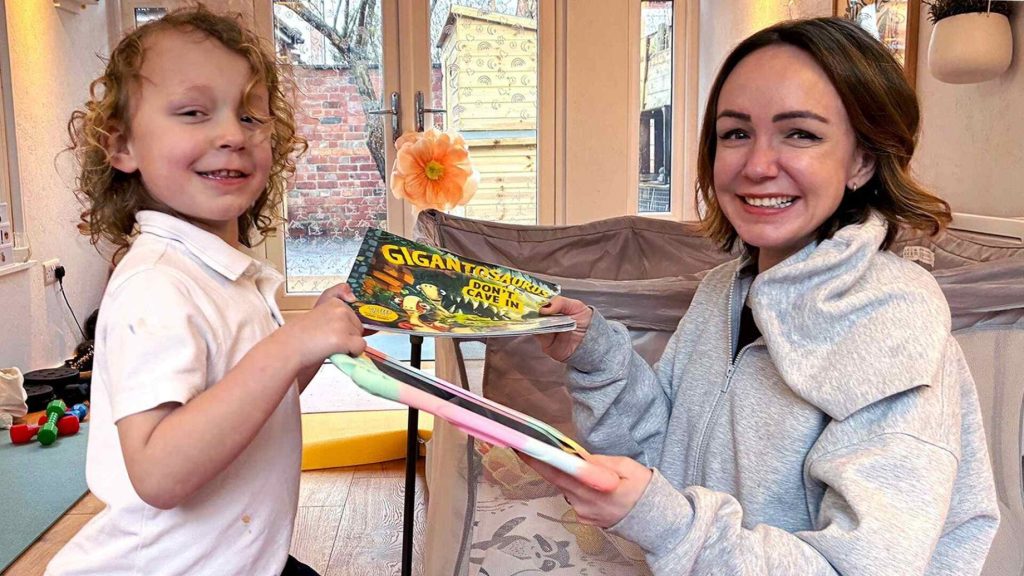
To illustrate the challenges, BBC News followed Manchester’s Montastier family for a week. Mother Alexis, a yoga instructor with children Romi (four) and Marlo (one), relies on screens for quick tasks but feels guilty. “It does make me feel guilty for doing it, but you’re not always going to be getting out of bed bouncing with them at six o’clock and setting up art and crafts.”
Husband Marciel admits, “it’s hard to tell them not to when you’re doing it yourself.” Despite struggles, Alexis noted progress. “This has definitely made me more aware and almost made me start doing things that I’ve always said, ‘Oh, we need to do that.'”
Research from the University of East London’s Prof Sam Wass reveals how rapid content overwhelms young brains, triggering stress responses ill-suited to passive viewing. With 98% of two-year-olds already daily users and modern shows far faster than past ones, experts urge parents to model healthy habits, as children’s minds soak up behaviours like sponges.
As a related consultation eyes under-16 social media bans, reactions vary. Advocate Ian Russell welcomed the evidence-based step, while Parent Zone’s Vicki Shotbolt called it solid guidance despite tech’s inevitability. Opposition leaders praise it but call for tougher measures like school phone bans.