

Microsoft is undergoing significant leadership changes as it ramps up its artificial intelligence initiatives, with chief diversity officer Lindsay-Rae McIntyre set to leave at the end of March for a chief people officer role at another organisation.
The announcement came in a memo from Amy Coleman, Microsoft’s executive vice president and chief people officer, which Business Insider published on Wednesday. A company spokesperson verified its legitimacy to CNBC. Coleman, who assumed her position last year, positioned the adjustments within the firm’s broader “AI-powered transformation,” though specifics on HR effects remain undisclosed.
This development aligns with recent high-level exits that have reshaped Microsoft’s upper ranks. Gaming chief Phil Spencer retired in February, handing over to Asha Sharma. Productivity software head Rajesh Jha departed after 35 years of service. Security leader Charlie Bell shifted to an individual contributor role, making way for Hayete Gallot’s return to head security operations.
Shareholders have watched nervously as Microsoft’s stock tumbled 23% so far this year, mirroring a software industry battered by generative AI disruptions. The sector faces what some call its most thrilling yet precarious phase, fuelled by innovation and competitive threats. In response, Microsoft has channelled vast resources into data centre expansions and Nvidia graphics processors to fuel cutting-edge AI development on its Azure platform.
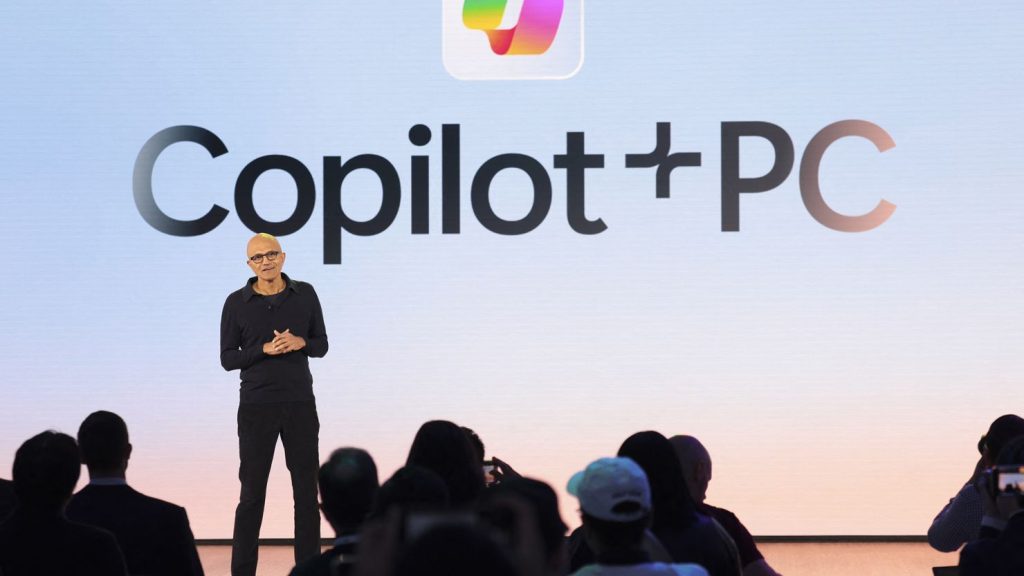
Signs of progress emerged when CEO Satya Nadella revealed that the Microsoft 365 Copilot AI tool had attracted 15 million commercial seats—3% of the total base—during January’s Q2 earnings call. Yet amid fierce competition for AI expertise, prioritising top talent acquisition and employee tools has never been more vital.
“As technology and the way we work at Microsoft continue to evolve, we are transforming our people function so Microsoft remains a place where our employees can do their best work. The organizational updates we are making today align closely to our business priorities, and help us work more closely across teams, move faster, and simplify how we operate in support of our employees and customers,” the spokesperson explained in an email to CNBC.
Under the new structure, engineering HR consolidates under corporate vice president Mel Simpson. “Talent strategy is competitive strategy and our ability to win depends on whether we can hire the very best talent at a moment when competition is intense and accelerating,” Coleman wrote.
A new talent acquisition head will report directly to her, while Diana Navas-Rosette retains her culture and inclusion role under Leslie Lawson Sims. People analytics joins Nathalie D’Hers’ employee experience team, which “have driven clarity, speed, and alignment while enabling our function to lead the next phase of AI-powered transformation across the company.”
These moves aim to sharpen Microsoft’s edge in the AI race, even as executive turnover prompts scrutiny of its stability.