

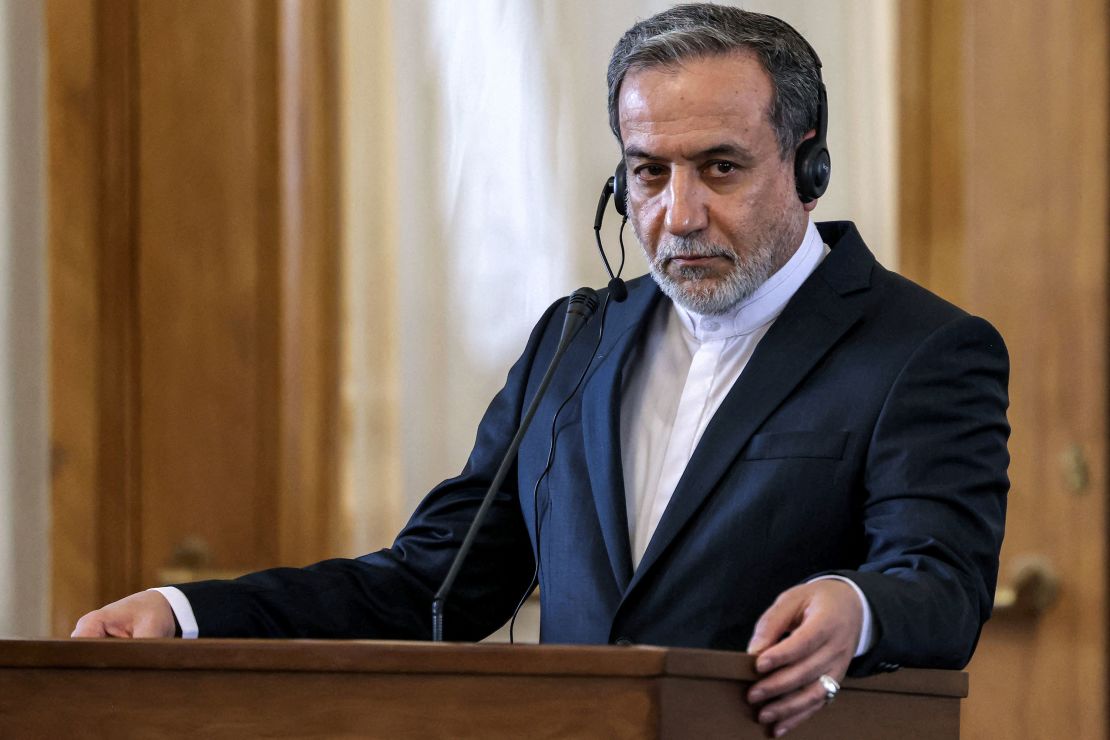
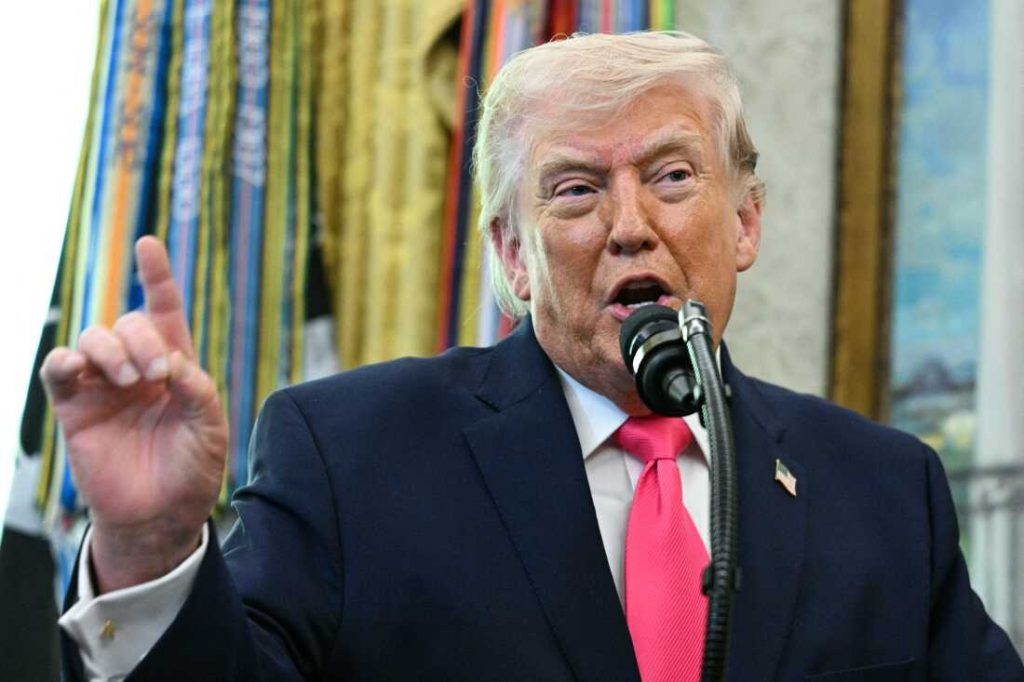
Fresh hopes for Middle East peace have hit a wall after U.S. President Donald Trump claimed fruitful talks with Iran, only for Tehran to pour cold water on the idea.
In a Monday Truth Social post, Trump said the two sides had enjoyed “very good and productive conversations” to end the fighting. Iranian officials hit back hard. A military spokesman mocked the notion, accusing Americans of “negotiating with themselves.”
This clash echoes recent false dawns. Oman mediated two sessions last year tackling U.S. fears over Iran’s nuclear drive, yet each dissolved into Israeli and U.S. strikes, leaving Tehran convinced that talks herald attacks rather than avert them.
The scars run deeper. Trump’s 2018 exit from the 2015 nuclear deal, which curbed Iran’s atomic work for sanctions relief, saw Tehran surge enrichment to near-weapons levels, as IAEA monitors confirm. Now his 15-point plan, relayed via Pakistan, demands missile and proxy curbs. Iran’s information council chief branded it fiction, “Trump’s words are lies and should not be paid attention to.”
Foreign Minister Abbas Araghchi toughened the line beforehand, ruling out ceasefires. Yet on state TV Wednesday, he hinted at wiggle room. “Different ideas” had reached top leaders, he said, while insisting on defence with “no intention of negotiating for now.”
Under bombardment crippling oil facilities, President Masoud Pezeshkian’s reformist government battles hardliners wary of concessions. Exiles root for regime change through chaos, while activists dread deals entrenching crackdowns.
Tehran clings to leverage, too. Strait of Hormuz squeezes have sent oil prices soaring past $90 a barrel, disrupting global flows.
Trump burnishes his peacemaker credentials after vowing to quash wars. Iran shores up unity and deterrence. Bridging this trust gulf demands ironclad pledges like IAEA oversight. For now, scepticism reigns, and tensions simmer on.