

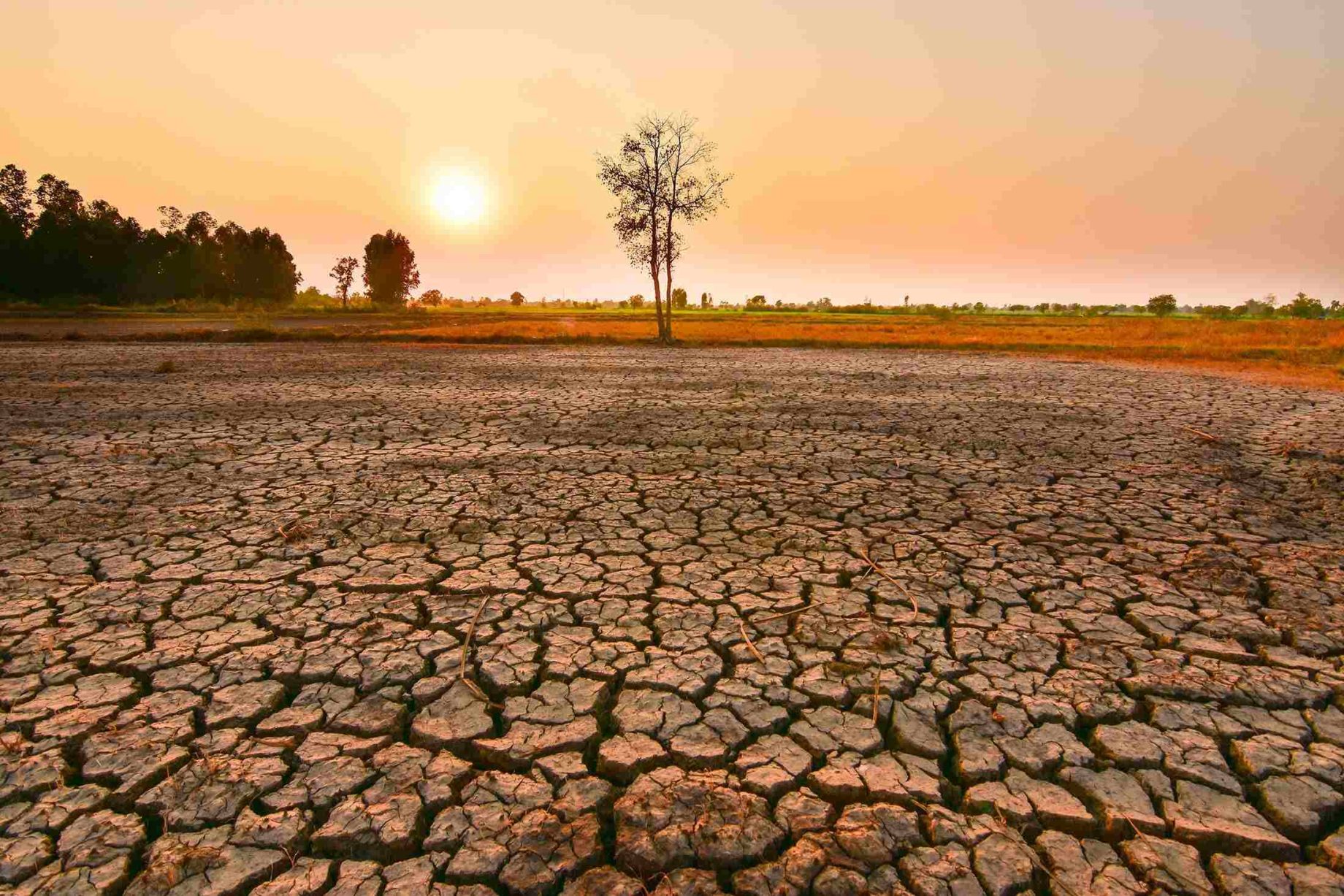
The world is heating up faster than ever, with the United Nations weather agency delivering a chilling verdict on humanity’s impact.
The World Meteorological Organisation (WMO) says Earth is now absorbing more solar energy than it sheds, thanks to rampant greenhouse gases like carbon dioxide—a situation unmatched in modern records. Last year, oceans hit scalding new peaks, glaciers melted at alarming rates, and polar ice clung to record lows, painting a picture of a planet under siege.
This energy imbalance powered 2025’s temperatures, which averaged 1.43°C above pre-industrial levels and ranked among the three hottest years since 1850. A passing La Niña offered slight relief, keeping it just shy of 2024’s extremes, but scientists detect an uptick in warming speed, staying within long-term forecasts yet testing limits.
UN Secretary General António Guterres seized the moment to demand a fossil fuel phase-out in favour of renewables, promising gains in climate, energy, and national security. “Planet Earth is being pushed beyond its limits. Every key climate indicator is flashing red,” he stated bluntly in a video address.

The crisis manifests vividly. Over 90% of trapped heat plunges into oceans, twice as fast as in the late 20th century, fuelling fiercer storms, coral die-off, and rising seas that threaten billions. Glaciers endured one of their bleakest seasons in 2024/25, while diseases like dengue spread into fresh zones amid intensifying extremes.
“Human activities are increasingly disrupting the natural equilibrium and we will live with these consequences for hundreds and thousands of years,” warned Prof Celeste Saulo, WMO secretary general.
The Pacific adds urgency, with strong signs of an El Niño by late 2026 that could spike global heat anew.
“If we transition to El Niño we will see an increase in global temperature again, and potentially to new records,” noted Dr John Kennedy of the WMO. As COP31 approaches, the call grows louder for 45% emissions cuts by decade’s end to avert irreversible chaos.