

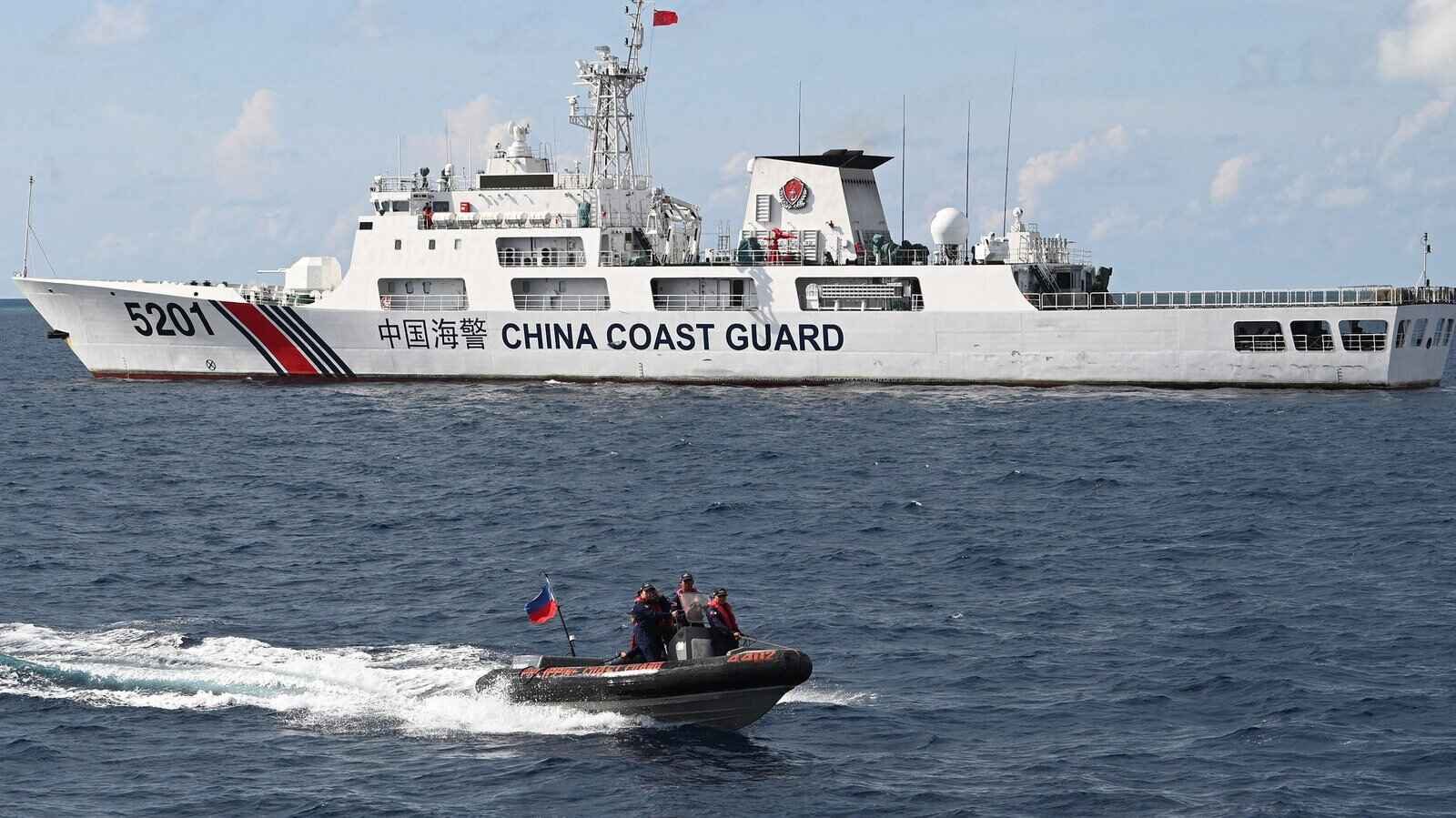
A fresh maritime confrontation between Chinese and Japanese coast guard ships near the remote Senkaku/Diaoyu Islands in the East China Sea has sharpened a persistent territorial conflict, as both nations released clashing narratives about the event.
Japan’s Coast Guard reported spotting two Chinese vessels entering its territorial waters early on Tuesday, nearing a Japanese fishing boat; its patrol ships promptly intervened, demanding departure and protecting the vessel until the intruders withdrew after several hours.
In stark contrast, China Coast Guard spokesman Liu Dejun stated via state media that their ships had warned a Japanese fishing boat that had “illegally entered the territorial waters of China’s Diaoyu Dao,” implementing “necessary law enforcement measures” while demanding Japan “immediately stop all acts of infringement and provocation in these waters.”
The episode unfolds amid crumbling bilateral ties, fuelled by Prime Minister Sanae Takaichi’s November parliamentary comments implying Japan might intervene militarily if China targeted Taiwan—an island democracy Beijing insists belongs to it, declining to rule out force for “reunification.”
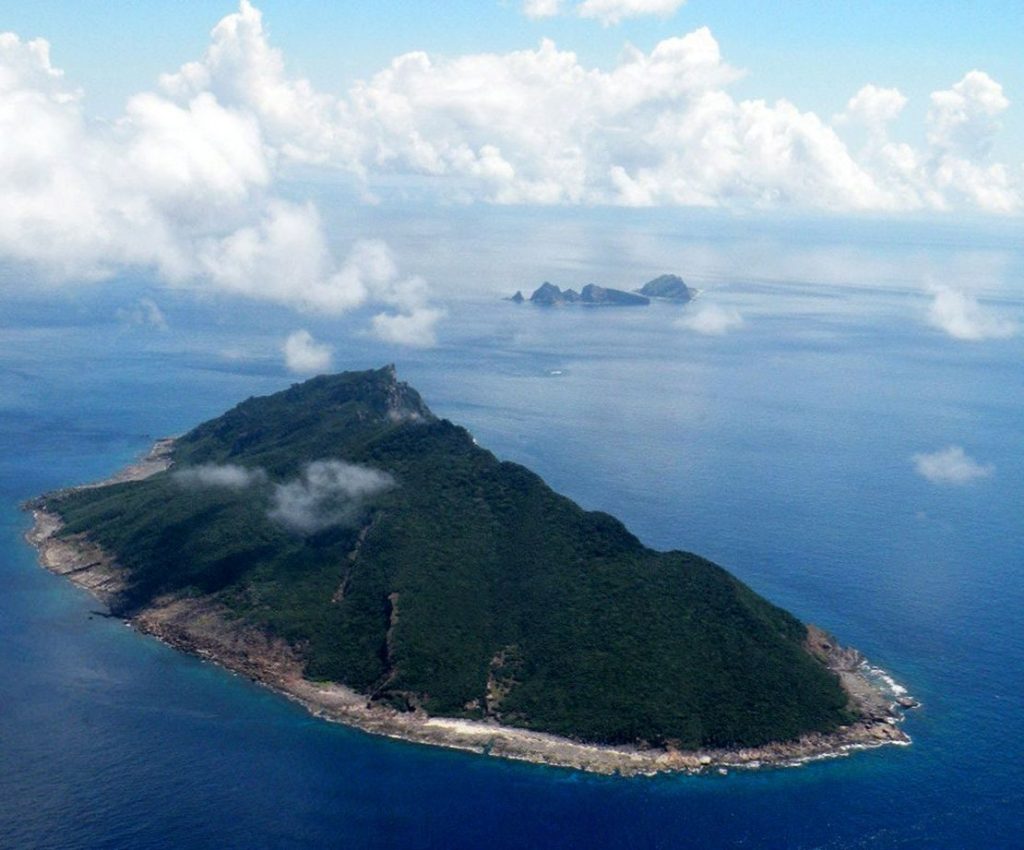
Heightened verbal sparring has bled into everyday impacts like travel warnings and cultural boycotts, with Taiwan positioned roughly 160 km south-west of the archipelago. Administered by Japan since 1972 yet claimed by China based on pre-1895 historical ties, these barren islets symbolise broader frictions over resource-laden seas.
Beijing’s naval incursions have intensified markedly, with state ships present in the zone for a record 353 days last year—the third year running—plus peak Coast Guard activity interpreted as probes of Tokyo’s defences.
The prior entry, on November 16, was billed as “a lawful patrol operation conducted by the China coast guard to uphold its rights and interests.”
Despite a 2008 accord for shared East China Sea exploitation, animosities have mounted over 15 years, complicated by Washington’s security pledges explicitly shielding the Senkakus.